
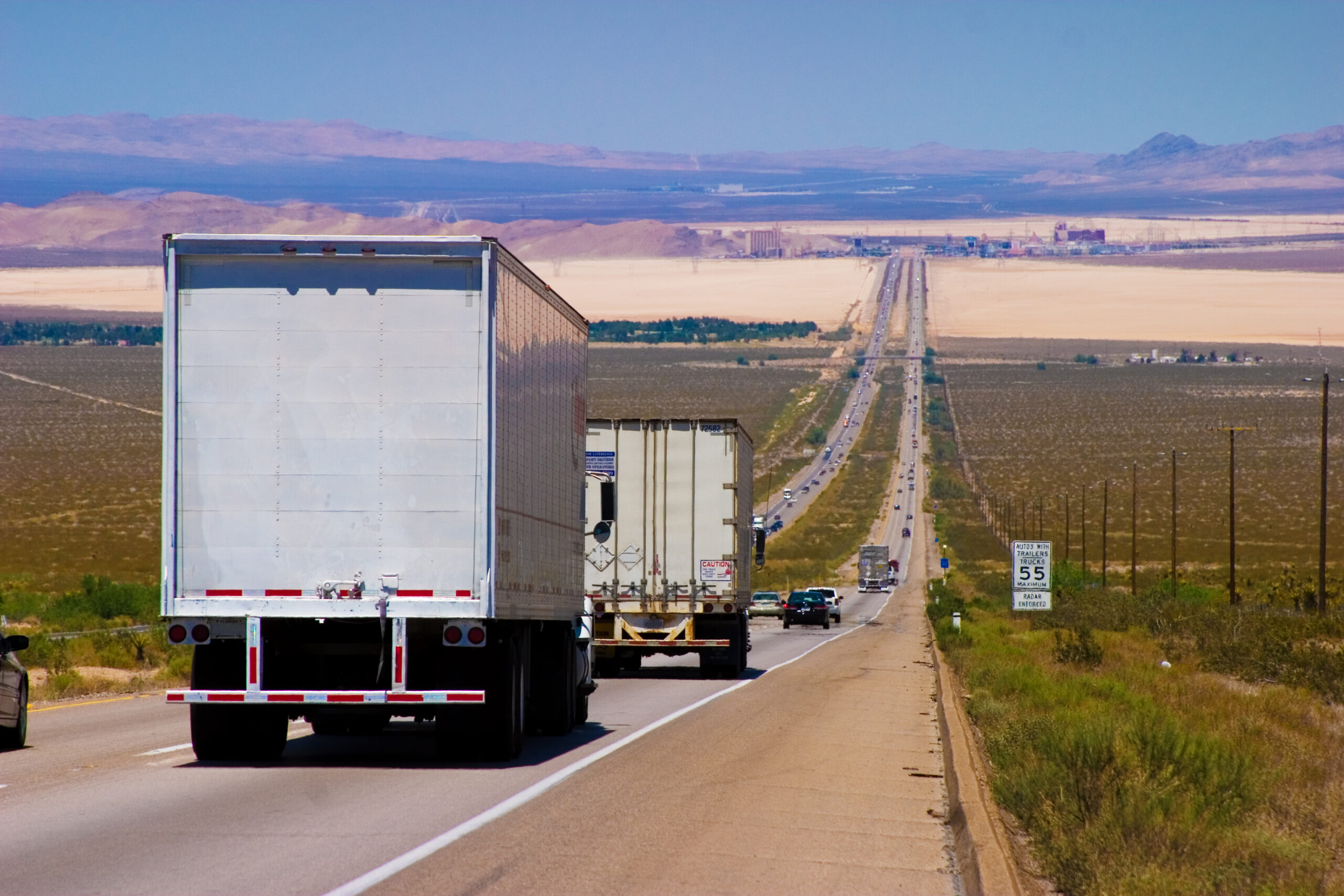
On May 28, in Flowers Foods Inc. v. Brock, the Supreme Court ruled unanimously that a worker transporting goods can qualify for the Federal Arbitration Act’s Section 1 exemption without crossing state lines or interacting with vehicles that do.
The suit, originally filed in the U.S. District Court of the District of Colorado in 2022, involved Angelo Brock (doing business as Brock, Inc.), a franchisee of Flowers Foods, one of the nation’s largest packaged baked goods. Brock, who does not operate as a distributor in his individual capacity, delivers Flowers’ products to local stores in the Denver area. While on the surface his work appears to be purely local, Brock argued that his role is that of a last-mile driver, a delivery worker who transports goods on the final leg of an interstate supply chain, and that he should be compensated accordingly. At the heart of the case was his claim that Flowers systematically underpaid him and other distributors in violation of federal and state law.
In a detailed analysis published by Law360, our transportation and supply chain team examines:
- How the case reached the Supreme Court.
- How the FAA policy favoring the enforcement of arbitration agreements figured into the case.
- The Supreme Court opinion and its real-world implications.
- What the case leaves unresolved.
Read the full article: “What’s Next After Justices’ Last-Mile Driver Arbitration Ruling” published in Law360 (June 5, 2026)
Bottom line: The Court rejects efforts to narrow Section 1’s scope, an opinion that will continue to reverberate across the last-mile distribution, franchise delivery, and gig economy logistics sectors.