
 A federal judge for the U.S. District Court for the District of Columbia dismissed FedEx Corporation’s challenge to the U.S. Department of Commerce’s (Commerce) Export Administration Regulations (EAR). Specifically, FedEx challenged the EAR requirements for global couriers to either verify the contents of its packages or to cease business with certain foreign entities, such as
BIS Seeks Comments on Identifying “Foundational Technologies”
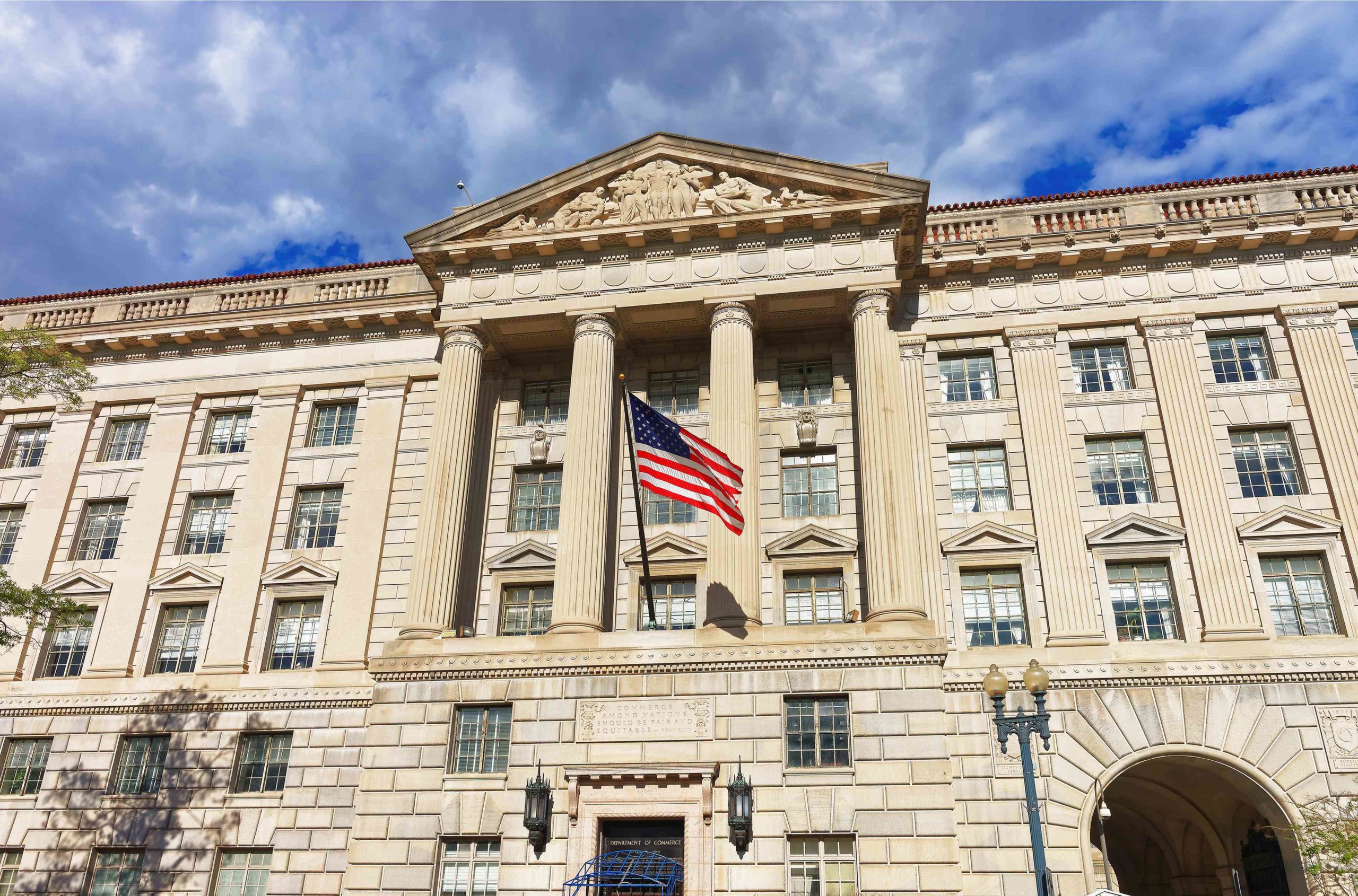 The U.S. Department of Commerce’s Bureau of Industry and Security (“BIS”) recently published an Advanced Notice of Proposed Rulemaking (“ANPRM”) regarding the identification and review of controls for certain “foundational technologies.” This ANPRM represents another step toward implementation of the “emerging and foundational technology” provisions set forth in the Export Control Reform Act (“ECRA”) of
U.S. Adds 38 New Huawei Affiliates to Entity List While Again Expanding Foreign-Produced Direct Product Rule
 The U.S. Department of Commerce’s Bureau of Industry and Security (“BIS”) has announced that it is further restricting access by Huawei Technologies Co. Ltd. and its designated non-U.S. affiliates (“Huawei”) to U.S.-produced technology and software. As we have previously discussed, BIS first added Huawei to its Entity List on May 15, 2019 and has continued to impose additional export restrictions on Huawei under the U.S. Export Administration Regulations (“EAR”). Most recently, BIS published a Federal Register notice to implement the following enhancements. Although BIS published this Federal Register notice on August 20, 2020, the following rule changes took effect retroactively as of August 17, 2020:
U.S. Seeks Snapback of U.N. Sanctions on Iran Despite Departure from Nuclear Deal
 The United States is formally demanding that the United Nations (U.N.) reimpose sanctions on Iran for its failure to meet commitments to limit its nuclear program set forth under the Joint Comprehensive Plan of Action (JCPOA). U.N. sanctions on Iran were lifted in 2015 as part of the terms of the JCPOA, which included the United States, European Union, France, Germany, the United Kingdom, Russia, and China as signatories. The U.S. formally withdrew from the JCPOA in 2018 and reinstated sanctions on Iran.
BIS Announces Virtual 2020 Export Controls Conference
 The Bureau of Industry and Security (BIS) will be holding a virtual conference on export control policy on Wednesday, September 2, 2020, after its annual in-person conference originally due to be held this summer was cancelled due to the coronavirus. The planned agenda for the BIS conference includes sessions on:
- Executive Order 13873: Securing the
U.S. Moves to Ban TikTok and WeChat Apps Amid U.S.-China Tensions
 On August 6, 2020, the White House issued two (2) Executive Orders (“EO”) banning the popular China-based social media app TikTok and the messaging and electronic payments app WeChat. Both orders are scheduled to take effect in 45 days (approximately September 21, 2020). While a U.S. ban on TikTok, owned by Beijing-based ByteDance Ltd., had been anticipated, especially after India banned the app earlier this year, the EO on Tencent Holding Ltd.’s (“Tencent”) WeChat was not anticipated and has significant potential business ramifications.
U.S. Increases Pressure on Russian Gas Pipelines with Imposition of New CAATSA Secondary Sanctions; Issues New General Licenses for Companies Doing Business with GAZ Group
 The U.S. Department of State recently published updated guidance pertaining to Section 232 of the Countering America’s Adversaries Through Sanctions Act (“CAATSA”). The revised guidelines subject energy export pipelines originating from Russia, particularly the Nord Stream 2 and TurkStream pipelines, to secondary Section 232 sanctions (not to be confused with Section 232 of the Trade
UK to Ban Huawei Equipment from its 5G Network While U.S. Announces Visa Restrictions
On July 14, 2020, the United Kingdom announced that it will ban Huawei Technologies, Co. Ltd. (“Huawei”) equipment from its 5G network. Effective December 31, 2020, Telecoms operators in the UK can no longer purchase Huawei equipment and have until 2027 to remove Huawei technology from their networks, with broadband companies receiving an additional two
OFAC Issues General License 5D for Venezuela Sanctions
 The U.S. Department of Treasury’s Office of Foreign Assets Controls (“OFAC”) issued General License 5D pertaining to the Venezuela sanctions. Effective July 15, 2020, General License 5D replaces and supersedes General License 5C, which authorizes transactions related to the state-owned oil company Petróleos de Venezuela, S.A (“PDVSA”) 2020 8.5 percent bond that would be prohibited
BIS Allows U.S. Companies to Work with Huawei on Standards
The U.S. Department of Commerce’s Bureau of Industry and Security (“BIS”) published a notice in the Federal Register announcing a rule change effective June 18, 2020, which amends the Export Administration Regulations (“EAR”) to allow for the release of certain technology to Huawei Technologies, Co., Ltd. and 114 of its non-U.S. affiliates designated on the