
 The Office of the U.S. Trade Representative (USTR) announced the rescission of Section 232 tariffs on Canadian aluminum, retroactive to September 1, 2020. The 10% tariff on non-alloyed, unwrought aluminum under subheading 7601.10 from Canada was announced on August 6, 2020 and went into effect on August 16, 2020. Following the USTR’s announcement of
WTO Rules that U.S. Section 301 Tariffs on Chinese Imports Violate International Trade Rules
 The World Trade Organization (WTO) dispute settlement body ruled that the tariffs imposed by the U.S. on imports from China are inconsistent with the General Agreement on Tariffs and Trade (GATT), and recommended that the U.S. “bring its measures into conformity” with its obligations under the GATT. Beginning in 2018, at the direction of President Trump, the U.S. imposed tariffs on $400 billion worth of imports from China over 4 different lists or tranches. The U.S. and China negotiated a “phase one” trade deal earlier this year, however, most of the tariffs were still left in place.
The WTO panel concluded that the U.S. failed to demonstrate that the tariff measures are justified under Article XX(a) of the GATT 1994. As a result, the panel found the U.S. tariff measures to be inconsistent with Articles I:1, II:1(a) and II:1(b) of GATT 1994. In other words, the WTO found that the U.S. tariffs on China were discriminatory and excessive, and the U.S. failed to present justification for an exemption that could have legally allowed for the tariffs.
Steel Import Licenses Must Include Country of “Melt and Pour”
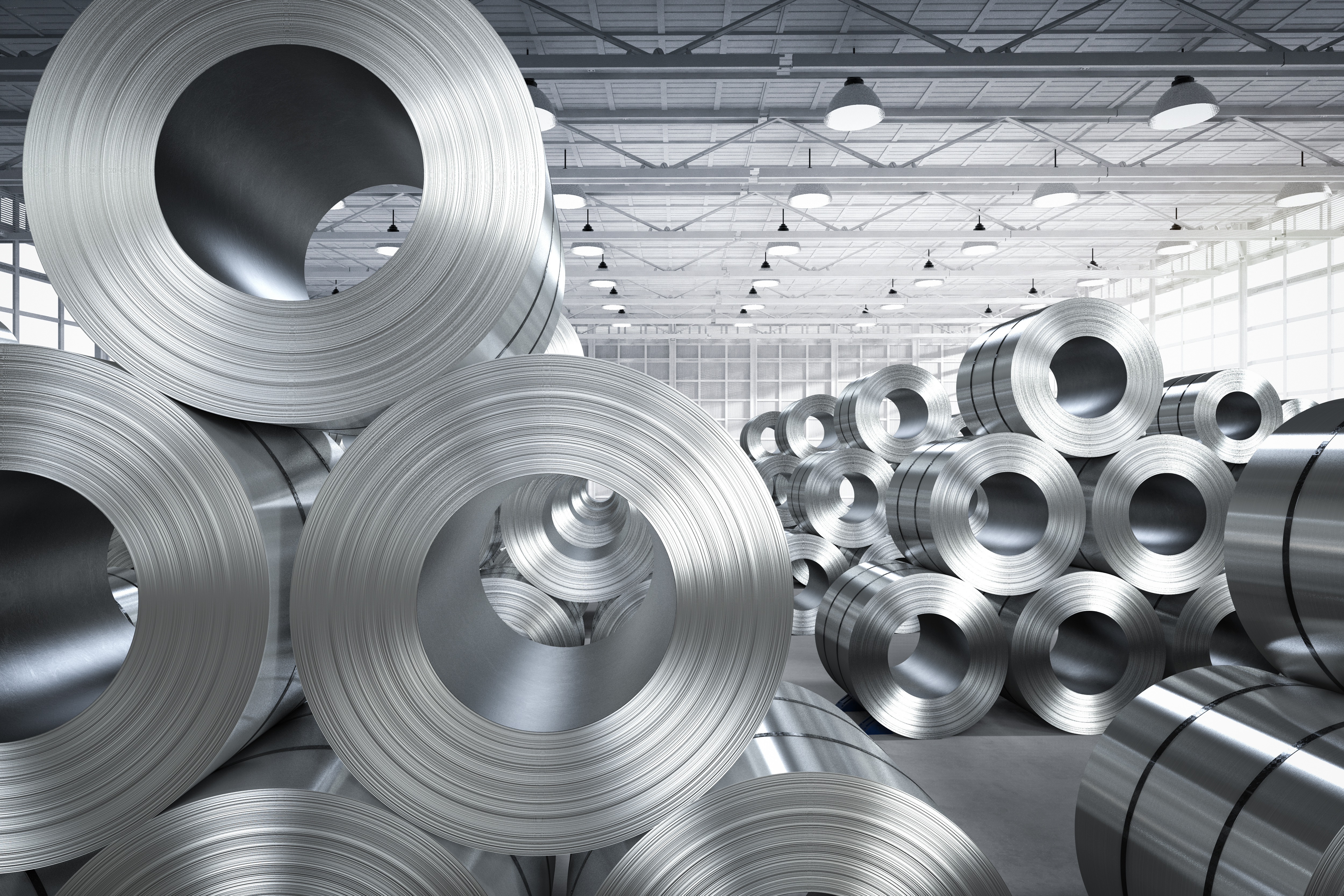
The U.S. Department of Commerce’s (Commerce) Steel Import Monitoring and Analysis System (SIMA) will be modified effective October 13, 2020 to require that the country where the steel was “melted and poured” to be identified in the license application. Other changes in the final rule published on September 11, 2020, include adding coverage for eight
Court of International Trade Receives its First Complaint Against Section 301 China Tariffs
 On September 10, 2020, HMTX Industries LLC, along with Halstead New England Corporation, and Metroflor Corporation (importers of vinyl tile) filed a complaint (Ct. No. 20-00177) at the Court of International Trade (CIT) challenging both the substantive and procedural processes followed by the United States Trade Representative (USTR) when instituting Section 301 Tariffs on imports
USTR, DOC, and Department of Agriculture Issue Plan to Investigate Foreign Imports of Certain Perishable Produce
 On September 1, 2020 the Office of the United States Trade Representative (USTR), Department of Agriculture, and Department of Commerce issued a 32-page report outlining the Trump Administration’s plan to address increased foreign imports of perishable fruits and vegetables. Following the public hearings held in August, the Administration published this report in hopes to open a dialogue with senior Mexican Government officials over the next 90 days regarding specific produce.
Commerce Initiates New Administrative Reviews on AD/CVD Orders
On September 3, 2020, the U.S. Department of Commerce published a notice initiating new Administrative Reviews for antidumping duty (AD) and countervailing duty (CVD) orders with mostly July anniversary dates, but some other dates as well. Listed below are the countries and products named in the notice:
- Belgium: Citric Acid and Certain Citrate Salts (A-423-813)

August 2020 Trade Law Update
In Husch Blackwell’s August 2020 Trade Law Newsletter, you’ll learn about the following updates in international trade and supply chain law:
- Commerce proposed modifications to AD/CVD laws to strengthen enforcement
- EU lifted tariffs on U.S. lobsters; U.S. agreed to limited tariff rollback on certain products
- USTR revised list of EU imports subject to Section
Opportunity to Request Administrative Review
On September 1, 2020, Commerce announced in the Federal Register the opportunity to request an annual administrative review for products that are currently subject to antidumping and countervailing duties. In addition to administrative reviews, Commerce has included an opportunity to request a new suspension agreement proceeding pertaining to fresh tomatoes from Mexico.
USTR Grants Extensions to Some Section 301 List 4 Product Exclusions, Allowing Most to Expire
 The Office of the U.S. Trade Representative (“USTR”) issued extensions for previously granted product exclusions under List 4 of the Section 301 tariffs on imports from China. USTR is extending the duty exemptions for only 87 of the approximately 248 product exclusions published to date under List 4, allowing for more than 150 to expire on September 1, 2020. The products for which exclusions have not been extended will be subject to the 7.5% tariff beginning on September 2, 2020.
EU Lifts Tariffs on U.S. Lobsters; U.S. Agrees to Limited Rollback on Certain Products
 On August 21, 2020, the United States Trade Representative Robert Lighthizer and European Union (EU) Commissioner Phil Hogan issued a joint statement, announcing that both parties would reduce tariffs on certain goods. Specifically, the EU has agreed to eliminate tariffs on imports of U.S. live and frozen lobster products. The elimination of these tariffs