
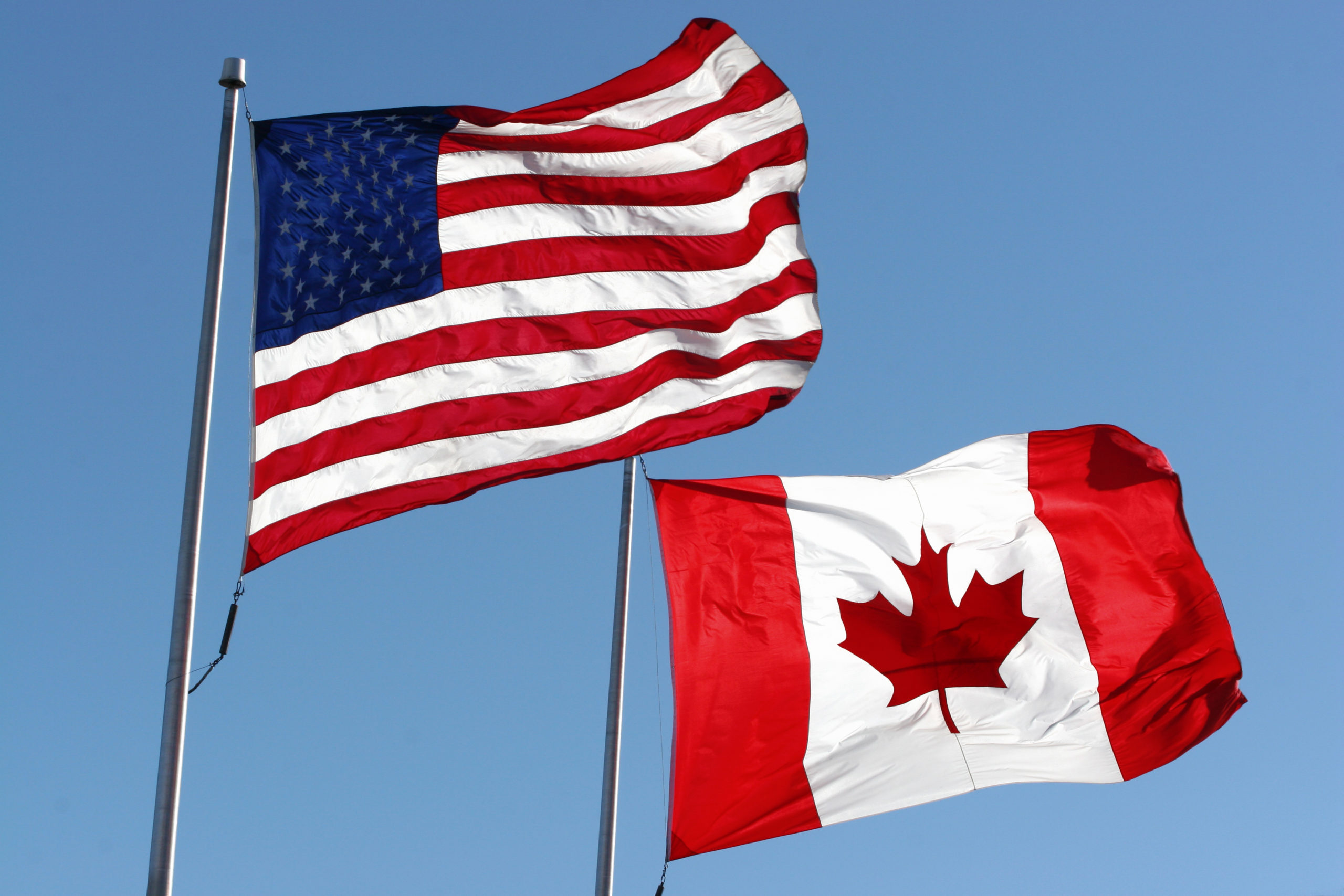
 On August 7, 2020, Canada’s Deputy Prime Minister Chrystia Freeland announced that Canada will be imposing retaliatory tariffs on $2.7 billion worth of U.S. imports in response to President Trump’s decision to re-implement a 10% ad valorem tariff on non-alloyed unwrought aluminum from Canada (HTS subheading 7601.10). During a news conference Freeland stated, “We will
Uncategorized
Ocean Transportation Intermediaries’ U.S. Regulatory Scheme: European Ocean Freight Forwarders and Freight Pricing
By Carlos Rodriguez on
Posted in Uncategorized
In the last year or so, it has become clearly evident to us that ocean carriers are treating European and other forwarders differently than how they deal with U.S. forwarders, creating a distinctly competitive disadvantage for U.S. ocean forwarders, NVOCCs and Customs brokers. The bottom line activity is that ocean carriers are creating beneficial sell rates to “forwarders”, usually in ocean carriers’ tariffs, for use exclusively by European forwarders located in certain locations in Europe and elsewhere (not the U.S.). We are using the term “forwarders” here in the U.S. sense. But for our narrative here, the European forwarder, located in Europe and other locations[1], will dispatch cargo from Europe based on lump sum rates formulated from the sell rates offered to them by the ocean carriers, but will not hold out as NVOCCs, nor issue house bills of lading. Many of these forwarders are neither licensed nor registered with the FMC as NVOCCs. In fact, U.S. forwarders under the current definition of “forwarders” could similarly issue lump sum rates under the current FMC regulations for export transport from the U.S. Unfortunately, the ocean carriers, probably sensitive to U.S. regulatory structures do not provide U.S. forwarders similarly competitive rate structures for exports from the U.S. or for inbound traffic controlled by U.S. consignees. But also, more egregiously, if a U.S. forwarder, who also may be an NVOCC/Customs broker, controls import cargo to be shipped to the U.S. on a “collect” basis, the U.S. Ocean Transportation Intermediary (“OTI”) may have to “purchase” a favorable rate from the unlicensed, unregistered forwarder in Europe who does have the benefit of the competitive rate, even though it may not be a licensed or registered NVOCC. The question: Is this legal? After discussing this with FMC officials, the answer is, “Probably.”
Upcoming Transportation and Trade Forum with NY/NJ Foreign Freight Forwarders and Brokers Association
Posted in Uncategorized
Carlos Rodriguez, Husch Blackwell LLP partner and Transportation Counsel for the New York/New Jersey Foreign Freight Forwarders and Brokers Association Inc., will be participating in a panel on Thursday, February 7, 2019 at the Marriott Marquis in New York City.
Shippers, NVOCCs, Ocean Carriers, And Other Port Players to Be Liable to Port Drayage Drivers Under New California Legislation Effective January 1, 2019
By Carlos Rodriguez on
Posted in Uncategorized
On September 22, 2018, Bill (SB-1402) was signed into law in California to become effective January 1, 2019. That law will make a “Customer” that engages or uses “a port drayage motor carrier” jointly and severally liable with that port drayage motor carrier if that carrier is listed on the Internet Web site maintained by the Division of Labor Standards Enforcement. This ominous list will identify port drayage motor carriers which have been found liable to a “port drayage driver” for unsatisfied court judgments, assessments, orders, decisions, or awards, for port drayage services performed for which the drivers have not been paid or expenses for which they have not been reimbursed, plus damages, penalties, and interest.
The reason why this Bill is not as tentative as it sounds is that The California Labor Commissioner’s Office, Division of Labor Standards Enforcement, has awarded in excess of $45 million in unlawful deductions from wages and out-of-pocket expenses to more than 400 drivers, and that drivers have seen little of those awards.