
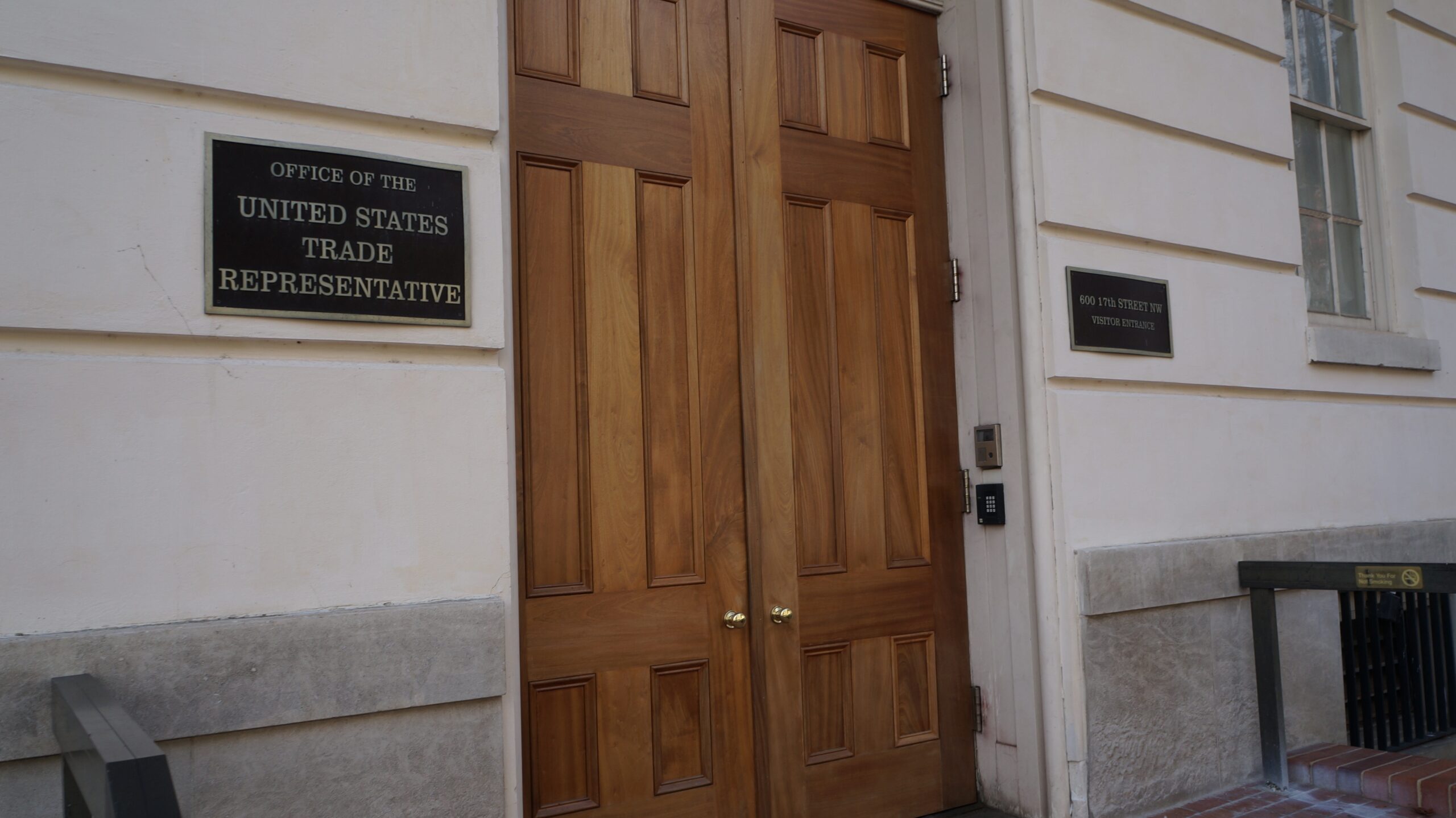
On June 2, 2026, the Office of the United States Trade Representative (“USTR”) announced a public comment period related to the development of a new government-to-government mechanism, a proposed U.S.-China “Board of Trade,” intended to provide an ongoing channel for managing aspects of bilateral trade between the United States and China.
Background
According to Federal Register Notice, the Board of Trade concept follows a series of recent U.S.-China negotiations and a broader package of trade and economic outcomes associated with President Trump’s May 2026 visit to Beijing.
As described by USTR Ambassador Greer, the Board of Trade would focus on “non-sensitive” goods and is intended to operate as an “adapter” mechanism aimed at promoting reciprocity, durability, and balance in bilateral trade. The concept contemplates that the United States and China would:
- identify product categories viewed as non-sensitive; and
- consider adjustments to certain non-MFN tariffs, potentially on an equal-value basis, to facilitate trade in those products.
USTR states that the U.S. goods trade deficit with China reportedly fell to approximately $202 billion in 2025 (down about 32% year-over-year), and March 2026 figures were reported to be down 46% year-over-year.
Key Topics
USTR is requesting comments on the following issues:
1. Product eligibility (“non-sensitive” lists)
- USTR seeks input on which products should qualify as non-sensitive, i.e., products that present limited economic or national security concerns, and, specifically which China-origin products currently subject to additional U.S. tariffs should be considered for lower tariff rates; and which U.S.-origin products currently facing additional Chinese tariffs should, in stakeholders’ views, be sold into China at China’s MFN rates.
2. Board of Trade structure and operations
- USTR is also asking how the mechanism should work in practice, including how frequently the Board should meet to monitor trade flows; how the parties should evaluate and update the eligible product lists over time; and what processes should be used for effective trade data sharing between the United States and China.
Action Items
Businesses that import from China, export to China, or compete with products traded between the two markets should consider using this comment period to address practical, implementation-focused issues, such as:
- which Harmonized System (“HS”)-codes the company views as plausibly “non-sensitive,” and why;
- how tariff changes would affect sourcing, pricing, and customer contracts;
- what data the Board should publish or exchange to avoid surprises in eligibility or scope; and
- what mechanism for meetings and list updates would best support planning and compliance.
Deadlines and How to Comment
Written comments must be submitted by July 10, 2026, with any rebuttals or responses due by July 27, 2026. Comments should be submitted through the USTR online portal at https://comments.ustr.gov/s/ using docket number USTR-2026-0430.
Please contact a member of Husch Blackwell’s International Trade and Supply Chain team should you wish to submit comments as soon as possible in order to provide sufficient time to prepare and submit comments prior to July 10, 2026.
Our team will continue to monitor and provide updates on this process as they become available. If you have specific questions or concerns, please contact your Husch Blackwell attorney.