
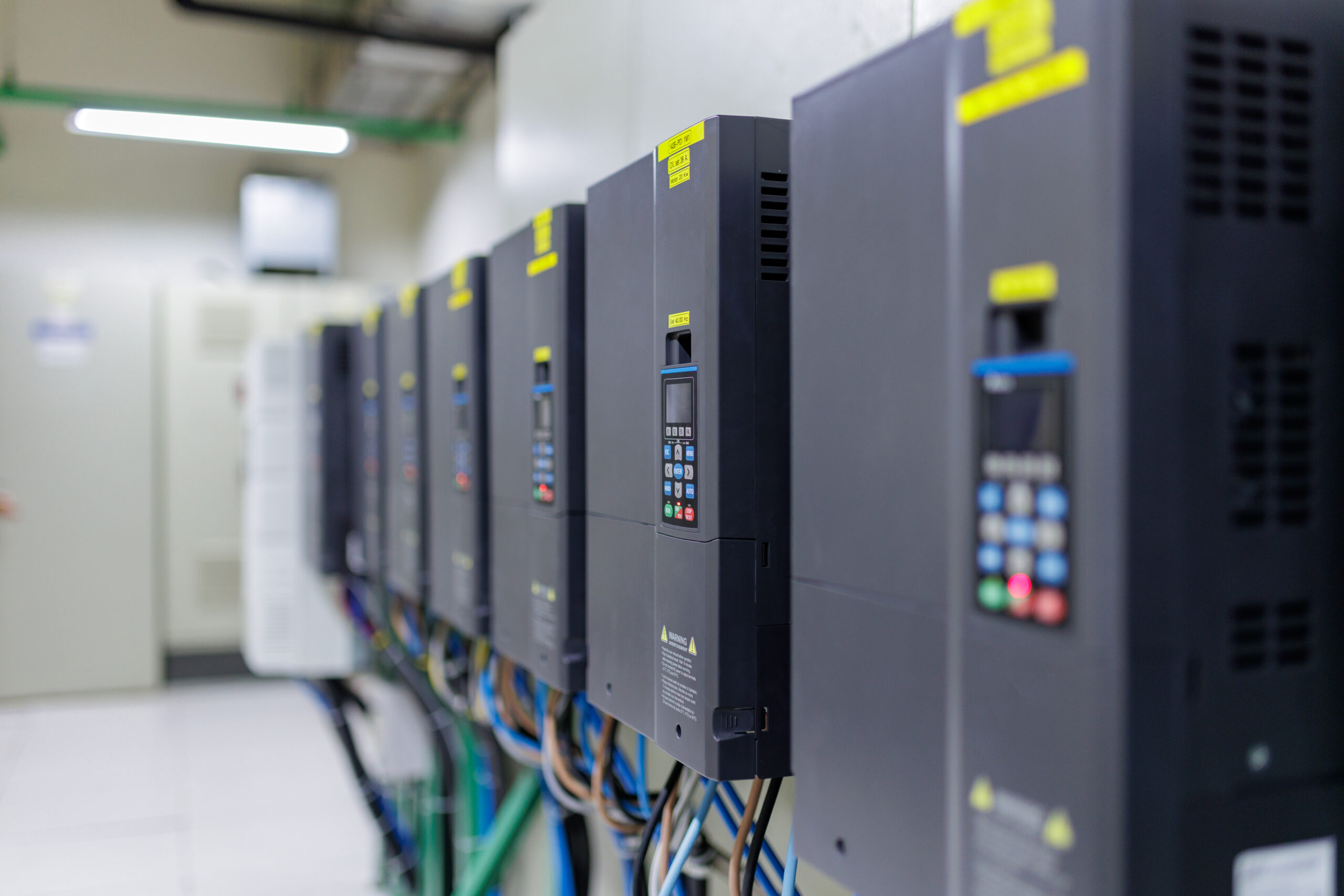
On July 29, the Federal Communications Commission (FCC) updated its Covered List to add two new categories of foreign-produced equipment: advanced robotic devices and power inverters. The move follows determinations by a White House-convened Executive Branch interagency body with national security expertise, which found that these foreign-made products “pose unacceptable risks to the national security of the United States or the safety and security of United States persons.” Notably, if applicable, these Covered List restrictions will apply to advanced robotic devices or power inverters produced in any country outside of the United States.
National security agencies cited risks including supply chain vulnerabilities that could disrupt U.S. economic and national security, and cybersecurity risks to American critical infrastructure. The determination covering power inverters is available here and flagged risks of disrupting U.S. economic security in critical sectors and creating cybersecurity threats to critical infrastructure. The determination covering advanced robotic devices is available here and cites to similar supply chain and cybersecurity vulnerabilities threatening critical infrastructure and public safety. The FCC also issued FAQ guidance on these Covered List designations which is available here.
The FCC’s definition of “power inverters” is limited to devices which contain “components that enable remote communication, control, sensing, data collection, or monitoring through Wi-Fi, cellular, Bluetooth, or other similar connections.” The FCC’s definition of “advanced robotic devices” covers autonomous mobile robots which exceed 4.4 pounds in weight when combined with their ground or docking station and which also feature certain environmental sensors, wireless communications capabilities and software. Devices of either type will qualify as “foreign-produced” if they do not meet the “Buy American” statutory definition of “domestic end products” provided at 48 CFR § 25.101(a).
Equipment on the Covered List is barred from receiving new FCC equipment authorization, which most electronics need before import, marketing, or sale in the U.S. However, the action does not affect consumers’ continued use of previously acquired devices, nor does it stop retailers from continuing to sell, import, or market models already authorized by the FCC — it applies only to new device models going forward. Sales to, or use by, the federal government are also unaffected.
The FCC has indicated that it will consider issuing “Conditional Approvals” to persons who produce these devices in foreign countries. If producers receive such “Conditional Approvals”, their devices will remain eligible for FCC authorization and subsequent importation into and use within the United States. An Annex (available here) requires that the Department of War must make a specific determination that any advanced robotic device or class of robots do not pose unacceptable national security risks before the FCC can issue any “Conditional Approval” for any such advanced robotic devices. Likewise, a separate Annex (available here) requires that either the Department of War or the Department of Homeland Security must make that same type of national security determination before the FCC can issue any “Conditional Approvals” for any power inverters. Both Annexes require that any application for a “Conditional Approval” must provide certain information which must include (without limitation) identification of the applicant’s ownership, bill of materials information and a “detailed, time-bound plan to establish or expand manufacturing in the United States for the [device] for which the applicant is seeking Conditional Approval.”
The Husch Blackwell International Trade and Supply Chain and Energy & Natural Resources teams will continue to monitor these developments and provide updates as they become available. If you have any questions or concerns, please contact your Husch Blackwell attorney.