Photo of Stephen Brophy

Stephen Brophy

Stephen brings more than 20 years of international trade experience to Husch Blackwell. His practice focuses on trade relief and regulation, representing clients in antidumping, countervailing duty and safeguard proceedings. He has assisted clients with these and other related matters before the U.S. Department of Commerce and U.S. International Trade Commission. Stephen is also experienced with customs issues, including tariff classification, valuation and country of origin marking matters.

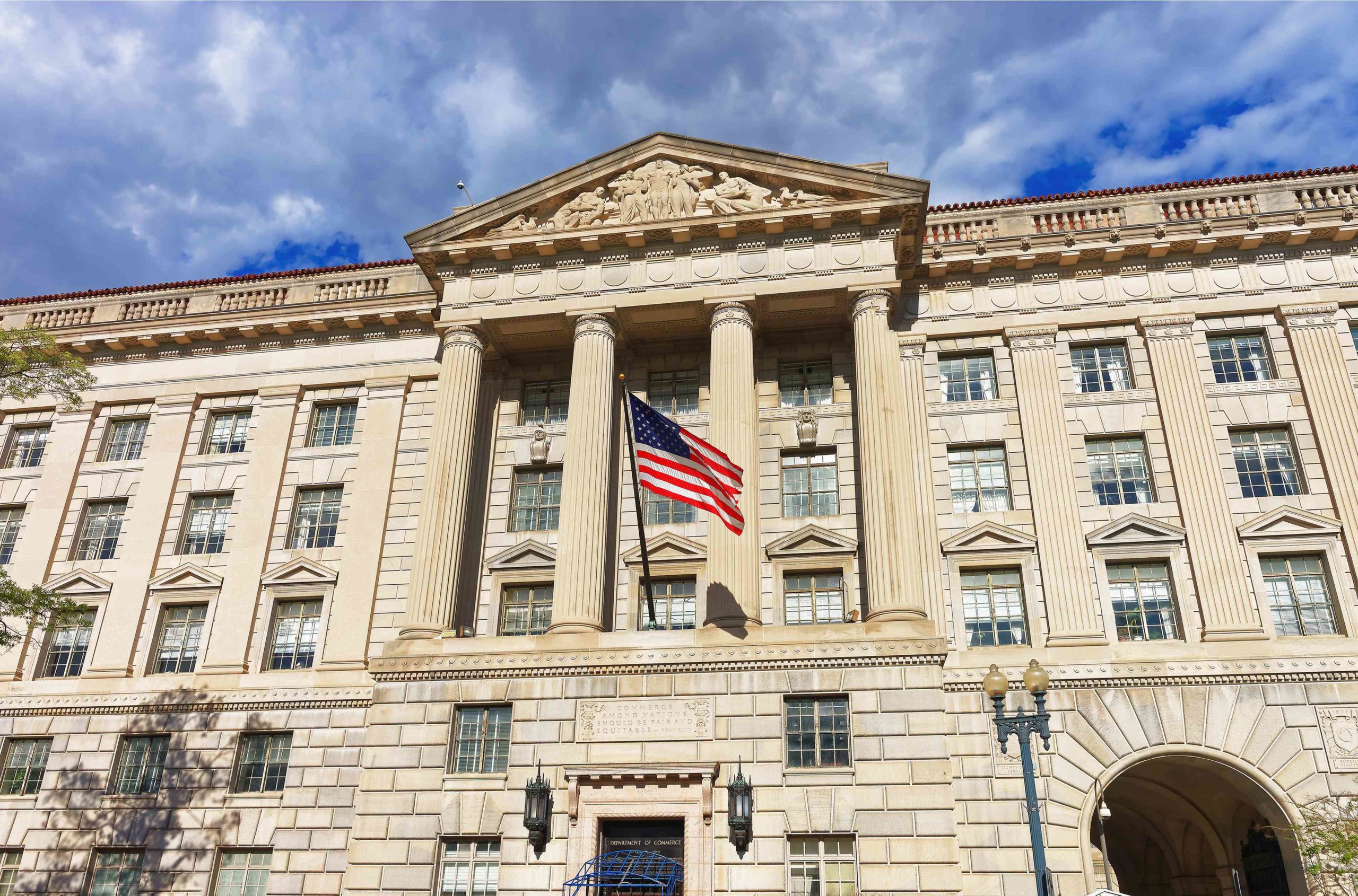
The U.S. Department of Commerce (“Commerce”) announced in a Federal Register notice that it is proposing significant changes to its antidumping and countervailing duty regulations.  The last time such sweeping changes were undertaken were in 1997 after the WTO went into effect.  Commerce is requesting comments on the proposed changes by September 14, 2020.

Among the most significant changes outlined in Commerce’s proposal are the changes to its conduct of scope proceedings, which determine whether a certain product is subject to the scope of an AD or CVD order; and to circumvention proceedings where importers are alleged to be avoiding duties, often by using components from the subject country to assemble the product in another country not subject to the relevant AD/CVD order. Currently, both types of proceedings are governed by the same set of regulations in 19 C.F.R. §351.225.  Commerce’s proposal would separate the two proceedings into unique regulatory frameworks.
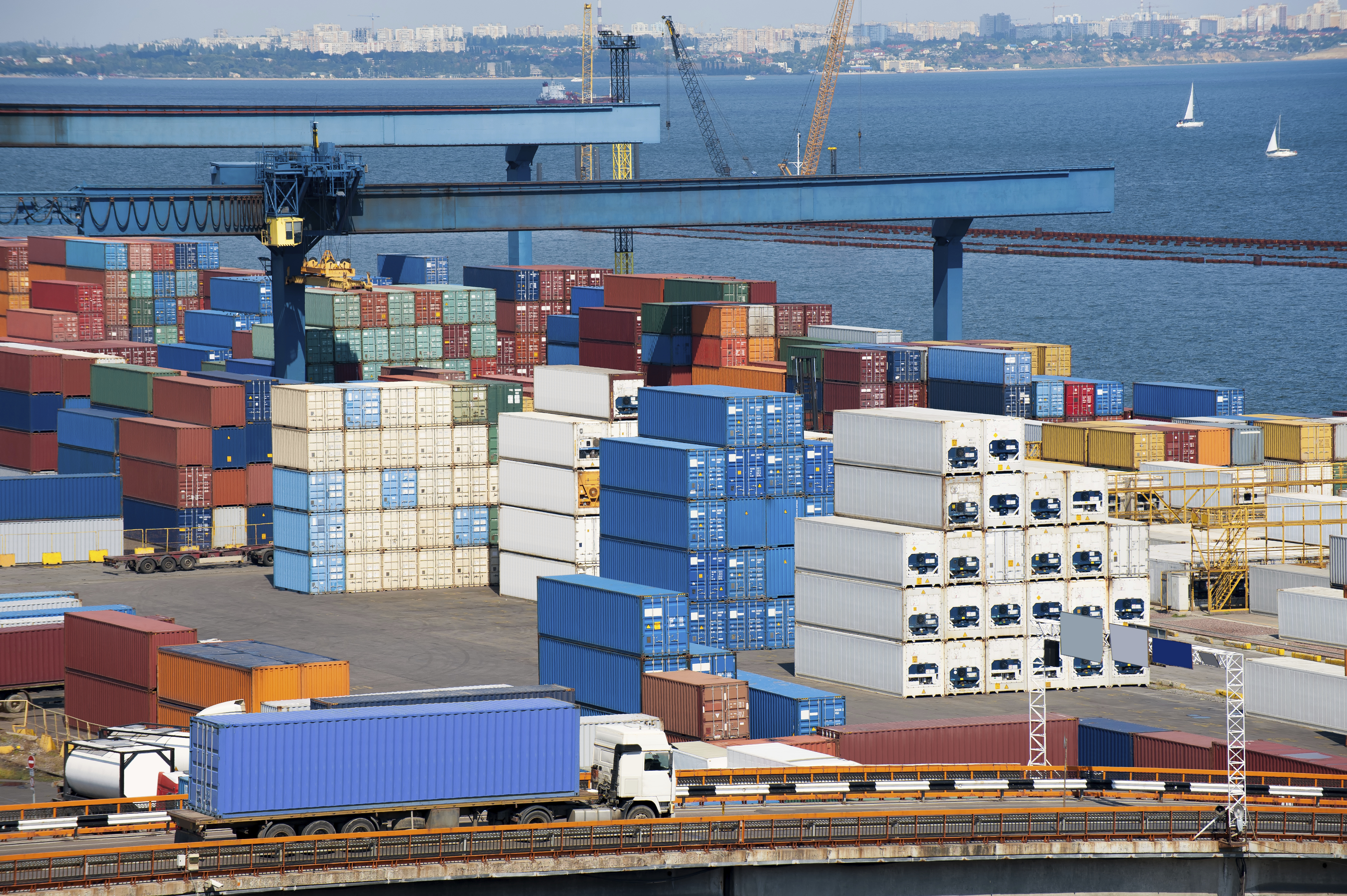
On August 10, 2020, U.S. Customs & Border Protection (CBP) issued a notice that goods produced in Hong Kong will need to be marked as a product of China starting on September 25, 2020. The marking changes are the result of the July 14, 2020 Executive Order on Hong Kong Normalization that ended Hong Kong’s special trade status.

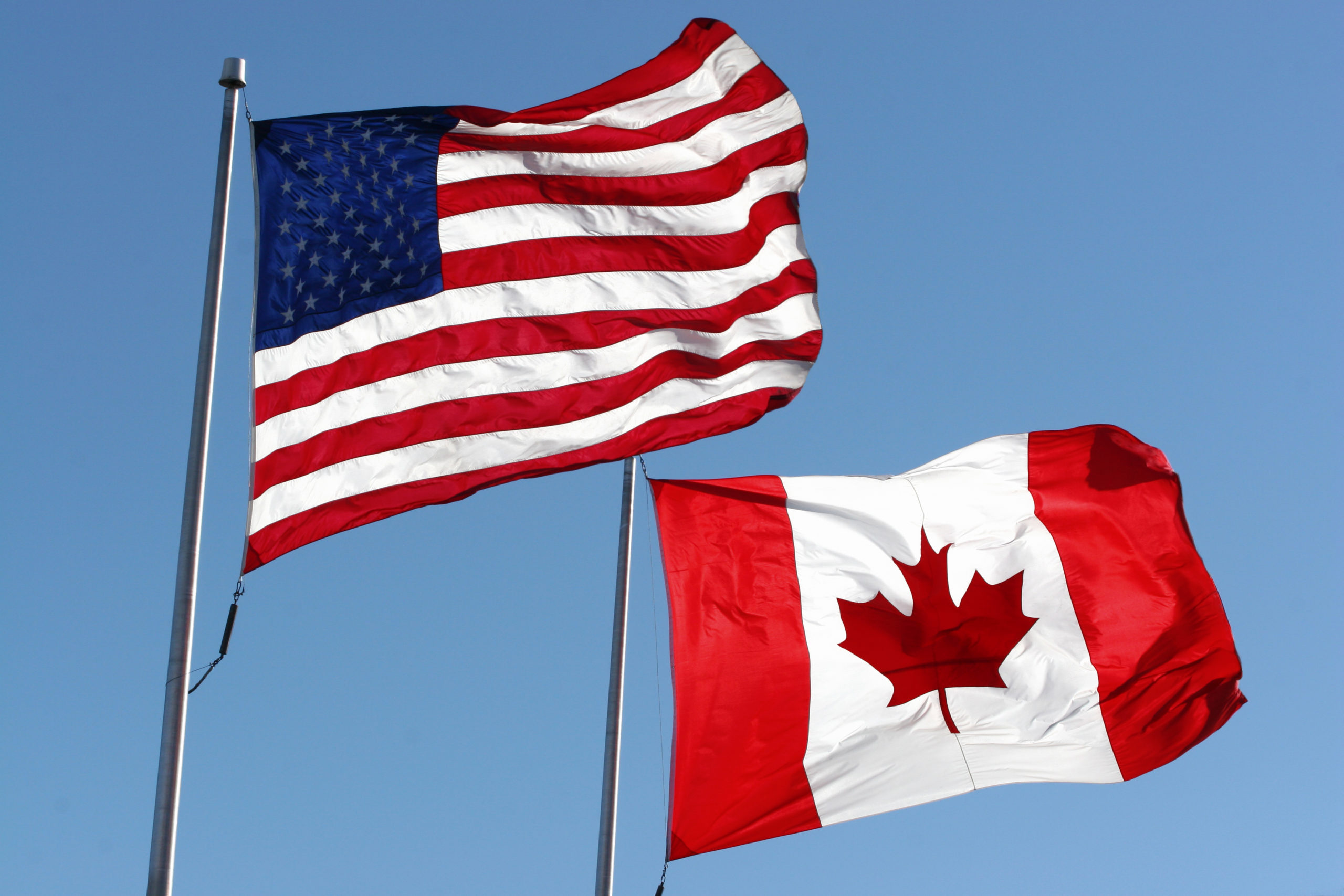
On August 7, 2020, Canada’s Deputy Prime Minister Chrystia Freeland announced that Canada will be imposing retaliatory tariffs on $2.7 billion worth of U.S. imports in response to President Trump’s decision to re-implement a 10% ad valorem tariff on non-alloyed unwrought aluminum from Canada (HTS subheading 7601.10). During a news conference Freeland stated, “We will

On April 7, 2020, the United States Trade Representative (“USTR”) issued one-year extensions for some product exclusions that were granted in April 2019.  The extensions cover eight product exclusions that were due to expire on April 18, 2020, including exclusions for roller machines for paper, aluminum pipe brackets, and instruments for measuring voltage.

Any product

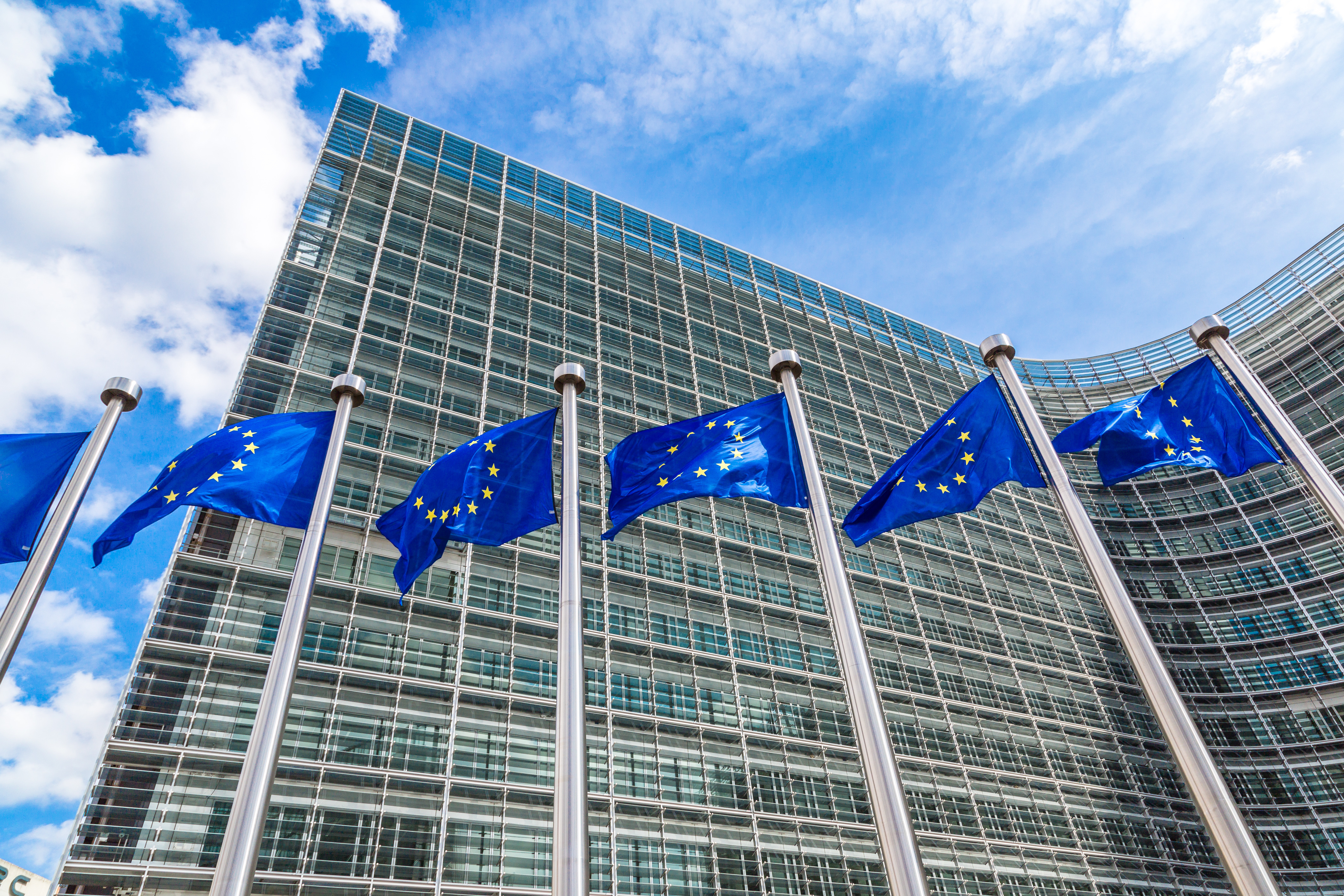
In retaliation for the United States’ expansion of Section 232 tariffs in February to cover steel and aluminum derivative articles, the European Union (“EU”) will hit certain U.S.-origin imports with additional tariffs. Duties of 20 percent for lighters and 7 percent for plastic furniture fittings will apply starting May 8, 2020. An additional 4.4 percent

On December 12, 2019, the Office of the United States Trade Representative (“USTR”) announced in a Federal Register notice that they are reviewing the action taken as a result of the Large Civil Aircraft dispute with the European Union.  USTR is requesting comments on whether any products currently subject to additional duties should have those

On December 12, 2019, the United States Trade Representative (“USTR”) issued another round of product exclusions pertaining to the 25% Section 301 List 3 Tariffs. The new list of exclusions includes 35 specifically crafted product descriptions that cover 75 separate exclusion requests. To view the full list of excluded products, click here. According to

After a long period of negotiation, Vice Minister Wang Shouwen of China’s Commerce Ministry announced on December 13, 2019 that the U.S. and China have agreed to “phase one” of an agreement to bring an end to the trade war that has disrupted global supply chains since 2018. China’s confirmation came after President Trump approved