
 The Commerce Department issued its final rule amending the countervailing duty regulations to address potential currency undervaluation. This revision to Commerce’s regulations will take effect in 60 days and will apply to all new investigations and administrative reviews that begin on or after April 6, 2020. The new rules would effectively clear the way for
President Trump Signs U.S.-Mexico-Canada Agreement (USMCA)
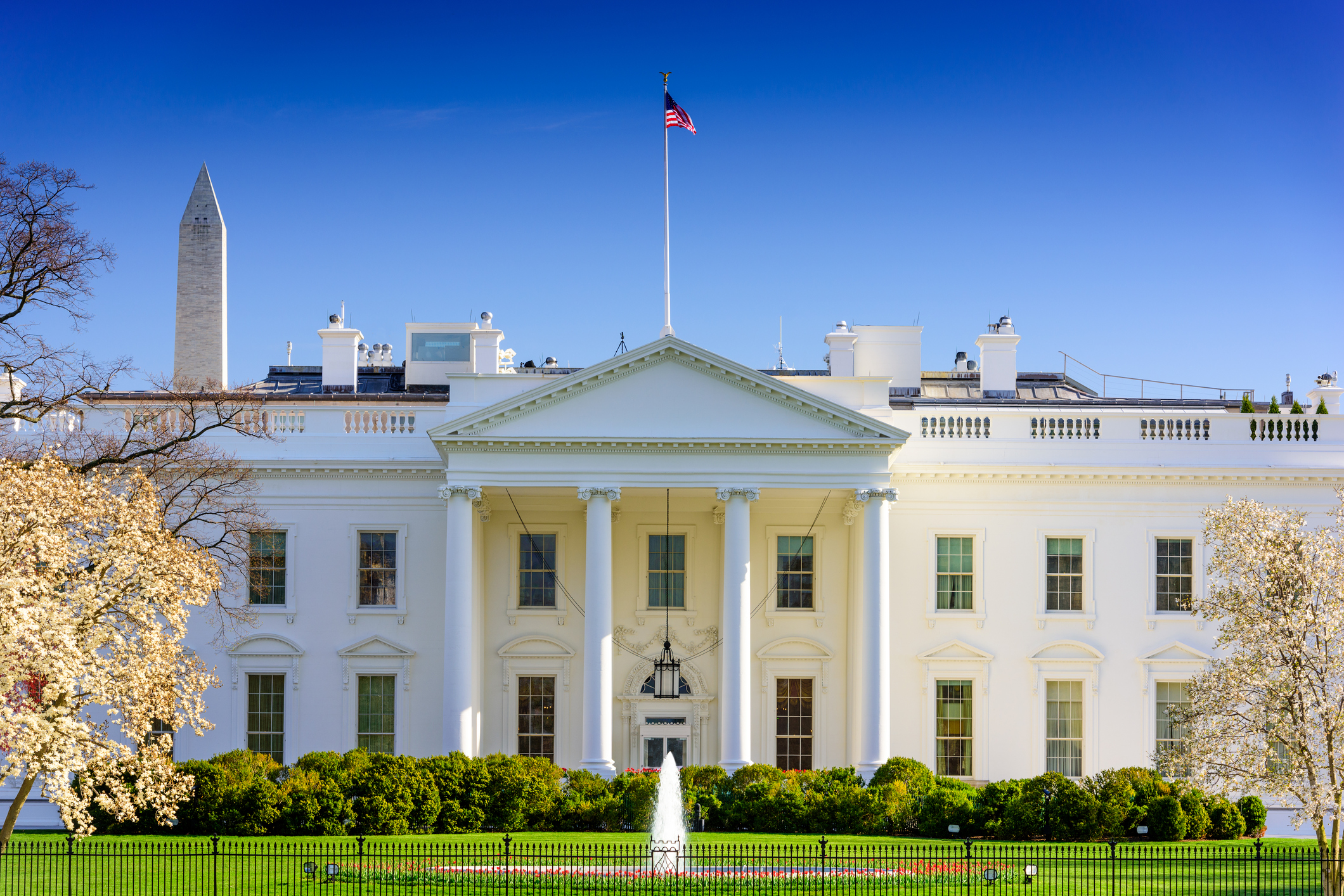 President Trump signed the implementing legislation for the USMCA yesterday, making the United States the second of the three countries, after Mexico last December, to sign the agreement. The USMCA will not take effect until 90 days after it is ratified by Canada. The Liberals currently operate a minority government, and while the Conservatives have
U.S.-Mexico-Canada Agreement (USMCA) Passes Senate

Today, the U.S.-Mexico-Canada Agreement (USMCA) passed the U.S. Senate by a vote of 89 to 10. While some Senators expressed disapproval over the deal for various reasons, passage of the USMCA enjoyed a great deal of bipartisan support after Democrats in the House of Representatives negotiated for more labor enforcement mechanisms that earned the endorsement
U.S. and China Sign Phase One Trade Agreement, Signaling Pause in Escalation of Trade War
 At a White House ceremony on Wednesday, January 15, 2020, U.S. President Donald Trump and Chinese Vice Premier Liu He met to sign Phase 1 of the Trade Deal that has been negotiated since May 2019 in order to end any further escalation in the trade war between the two countries. The agreement consists of
International Trade Law: 2019 Year in Review & 2020 Outlook
 As we kick off a new year, Husch Blackwell’s International Trade and Supply Chain team offers an analysis of events that shaped the international trade landscape in 2019 as well as insight into what international trade issues are on the horizon in 2020 in a recently published white paper.
The “International Trade Law: 2019
U.S.-Mexico-Canada Agreement (USMCA) Passes House, Setting Stage for Vote in the Senate in 2020
The U.S.-Mexico-Canada Agreement (“the USMCA”) passed the U.S. House of Representatives on December 19, 2019, by a vote of 385 to 41. In order to be fully ratified by the United States, the USMCA must now be approved by the U.S. Senate, which has a total of up to 30 session days after the House
U.S. and China Reach “Phase One” Agreement to Resolve Trade War
After a long period of negotiation, Vice Minister Wang Shouwen of China’s Commerce Ministry announced on December 13, 2019 that the U.S. and China have agreed to “phase one” of an agreement to bring an end to the trade war that has disrupted global supply chains since 2018. China’s confirmation came after President Trump approved
Trump Administration and House Democrats Reach Agreement to Move USMCA Forward
On December 10, 2019, House Speaker Nancy Pelosi stated in a press conference that Democrats had reached an agreement with the Trump Administration on the new U.S.-Mexico-Canada Agreement (“USMCA”) intended as a NAFTA update, clearing the way for Congress to vote on the trade agreement. Speaker Pelosi called the agreement “a victory for America’s workers”
Trump Threatens to Prolong the Trade War with China and Start a New One with France
At a NATO meeting on Tuesday, December 3, 2019, President Trump declared that he was prepared to wait to negotiate a trade agreement with China until after the 2020 U.S. presidential election, dashing hopes that “phase one” of an interim agreement was to be reached soon. The 15% Section 301 List 4b tariffs are likely
Trump Administration to Restore Section 232 Steel and Aluminum Tariffs on Argentina and Brazil
President Trump unexpectedly announced via Twitter on Monday, December 02, 2019 that the 25% Section 232 steel and aluminum tariffs that were enforced globally in 2018 would be reinstated on imports from Argentina and Brazil, claiming that a “massive devaluation” of the countries’ currencies has given them an unfair trade advantage. Like Canada and Mexico,