Effective February 6, 2026, Customs and Border Protection (“CBP”) will issue refunds electronically via Automated Clearing House (“ACH”). This rule change will affect all refunds, subject to limited exceptions (e.g., certain emergency payments, transactions involving national security or law enforcement concerns, transactions involving individuals who do not have access to banking services or electronic payment systems, etc.). FR Document 2025-24171. Also this rule will apply to all importers, brokers, filers, sureties, service providers, facility operators, foreign trade zone operators, and carriers as well as designated third parties listed on a CBP Form 4811. In short, absent a waiver, after February 5, 2026 CBP will not issue refunds by check. 

On December 31, 2025, the Strawberry Growers for Fair Trade (“SGFT”) (“Petitioners”), filed a petition for the imposition of antidumping duties on U.S. imports into the United States of fresh winter strawberries from Mexico.

SCOPE OF THE INVESTIGATION

The physical characteristics of the covered products, which define the scope of this investigation, are as follows:

On December 31, 2025, President Trump signed proclamation, Amendments to Adjusting Imports of Timber, Lumber, And Their Derivative Products into the United States, delaying higher tariffs on upholstered furniture, kitchen cabinets, and vanities until January 1, 2027. The proclamation cited “productive negotiations with trade partners to address trade reciprocity and national security concerns regarding

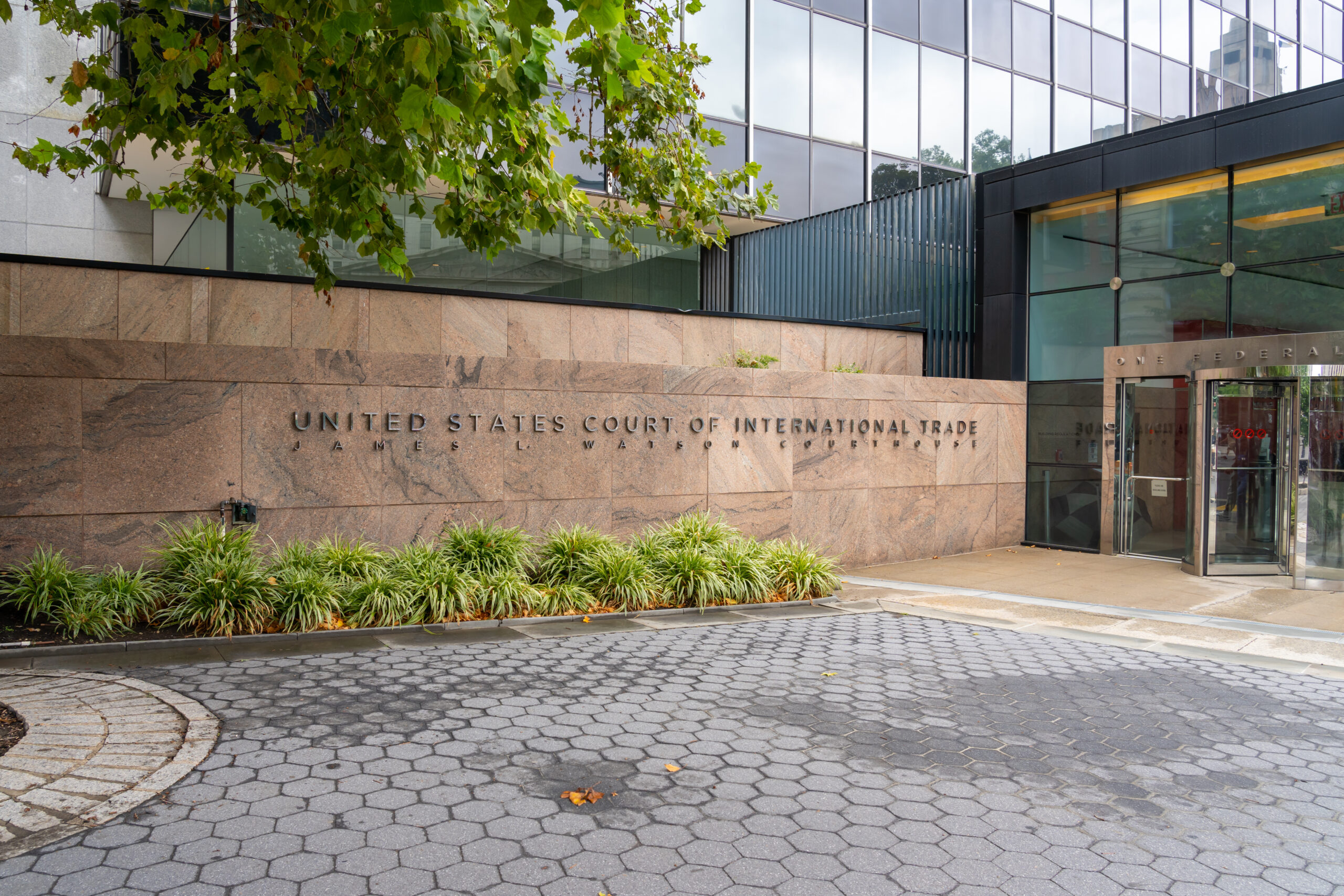
The U.S. Court of International Trade (CIT or court), on December 23, 2025, issued Administrative Order 25-02 staying all recently filed cases challenging tariffs imposed under the International Emergency Economic Powers Act (IEEPA) by the Trump Administration. 

In particular, the order signed by Chief Judge Mark A. Barnett, directs that all currently unassigned cases and

On December 23, 2025, the United States Trade Representative (USTR) determined that China’s policies and practices aimed at dominating the semiconductor industry are unfair and burdensome on U.S. commerce, making them actionable under Section 301 of the Trade Act of 1974. After a year-long investigation, the USTR found that China’s state-driven industrial planning, forced technology

On December 16, 2025 the Bureau of Industry and Security (BIS) announced that it will provide an opportunity for interested parties to submit requests to add additional products to the list of auto parts that are subject to Section 232 duties under the Trade Expansion Act of 1962. The inclusions window will open on January

On November 20, 2025, the American Trailer Manufacturers Coalition (“the Coalition”) (“Petitioners”), filed a petition for the imposition of antidumping and countervailing duties on U.S. imports into the United States of van-type trailers and subassemblies thereof imported from Canada, Mexico, and the People’s Republic of China (“China”).