
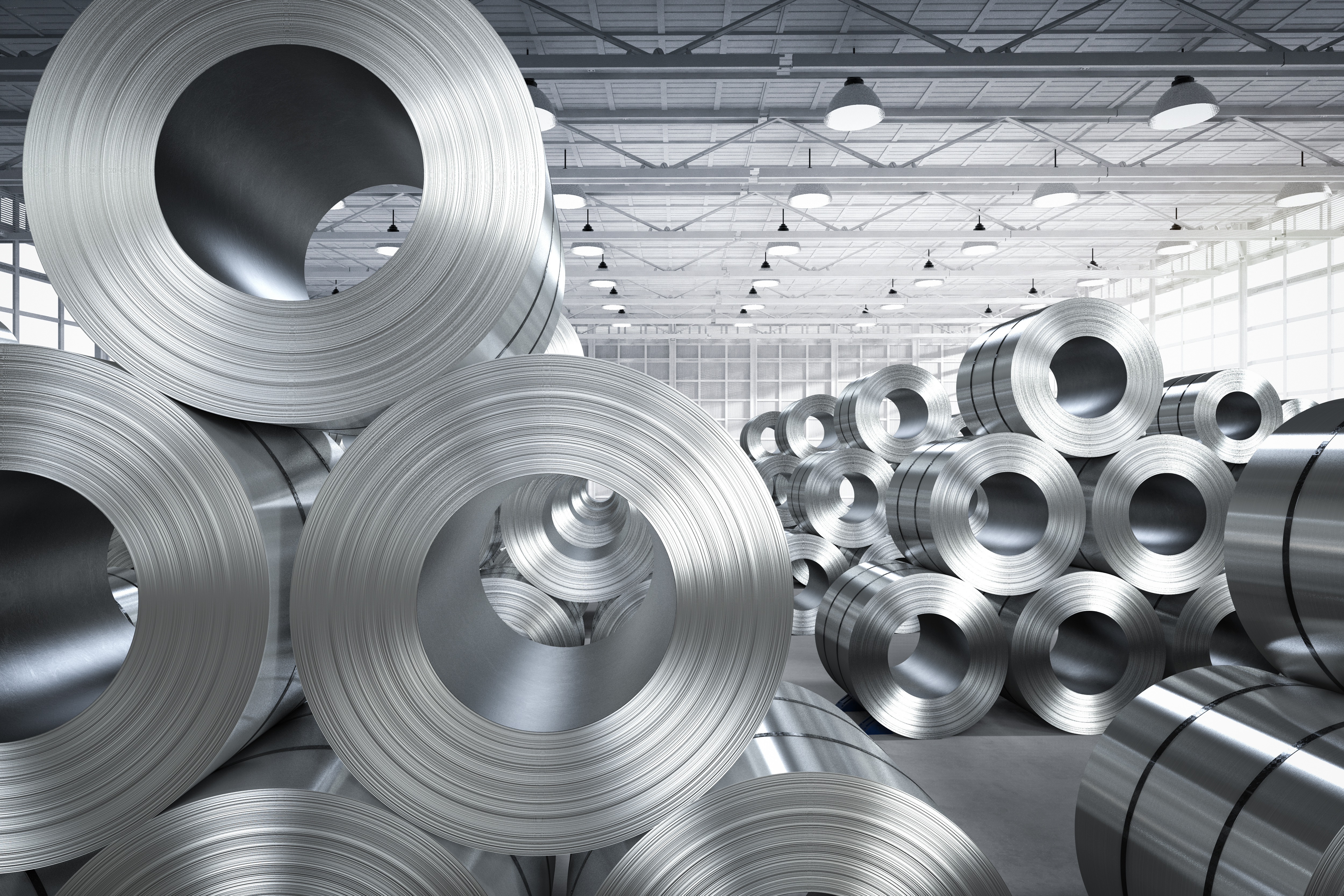
In a surprise announcement after hours on Friday January 24, 2020, the White House announced that it plans to impose an additional 25 percent tariff on some steel articles and 10 percent on some aluminum articles starting February 8, 2020 under Section 232 of the Trade Expansion Act of 1962. A proclamation issued by the
 On January 23, 2020, Petitioner Arkema Inc. filed a petition for the imposition of antidumping duties on imports of difluoromethane (R-32), a hydrofluorocarbon gas, from the People’s Republic of China.


 On January 15, 2020, Petitioner Coalition of American Vertical Engine Producers filed a petition for the imposition of antidumping and countervailing duties on imports of vertical shaft engines between 225cc and 999cc, and parts thereof from the People’s Republic of China.
 The Office of the U.S. Trade Representative (USTR) issued a
  On January 9, 2020, the Department of Commerce (“Commerce”) initiated the antidumping duty (AD) and countervailing duty (CVD) investigations of imports of forged steel fluid end blocks from China (CVD only), Germany, India, and Italy. For more detailed information, please refer to the Department’s
  On January 8, 2020, Petitioner Coalition of American Millwork Producers filed a petition for the imposition of antidumping and countervailing duties on imports of wood mouldings and millwork products from the People’s Republic of China and antidumping duties on imports of the subject merchandise from Brazil.
 One of the first changes for this new year is the implementation of new Incoterms® 2020 starting on January 1, 2020. The Incoterms® rules, published by the International Chamber of Commerce (ICC), are the world’s essential terms of trade for the sale of goods. Incoterms® provide specific guidance to individuals and entities participating in the