
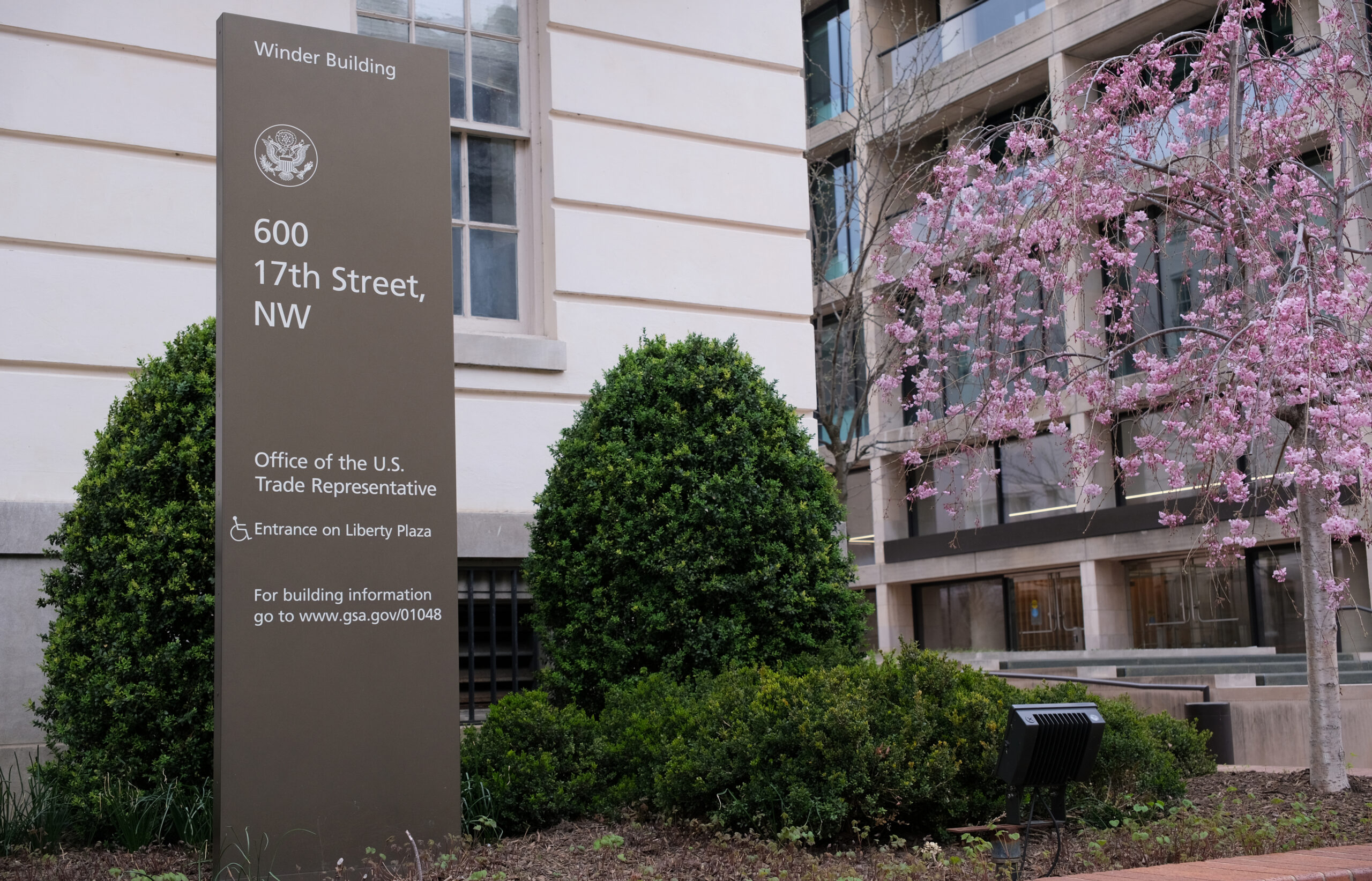
On March 12, 2026, United States Trade Representative (“USTR”) Greer announced a new investigation under Section 301(b) of the Trade Act of 1974 relating to the “failure to impose and effectively enforce a ban on the importation of goods produced with forced labor are unreasonable or discriminatory and burden or restrict U.S. commerce.” According to the Federal Register Notice, “[t]he failure to prevent trade in products produced with forced labor may negatively affect U.S. commerce” because “U.S. exports are required to compete with products produced wholly or in part with forced labor…”
A Section 301 investigation is initiated to determine whether unfair foreign practices such as an act, policy, or practice of a foreign country, are negatively impacting U.S. commerce. Under the first Trump Administration, Section 301 was used to impose additional tariffs on numerous goods originating from China.
The investigation will focus on the following 60 countries:
| Algeria | Guyana | Pakistan |
| Angola | Honduras | Peru |
| Argentina | Hong Kong | Philippines |
| Australia | India | Qatar |
| The Bahamas | Indonesia | Russia |
| Bahrain | Iraq | Saudi Arabia |
| Bangladesh | Israel | Singapore |
| Brazil | Japan | South Africa |
| Cambodia | Jordan | South Korea |
| Canada | Kazakhstan | Sri Lanka |
| Chile | Kuwait | Switzerland |
| China | Libya | Taiwan |
| Colombia | Malaysia | Thailand |
| Costa Rica | Mexico | Trinidad and Tobago |
| Dominican Republic | Morocco | Turkiye |
| Ecuador | New Zealand | United Arab Emirates |
| Egypt | Nicaragua | United Kingdom |
| El Salvador | Nigeria | Uruguay |
| European Union | Norway | Venezuela |
| Guatemala | Oman | Vietnam |
Comment Period
Interested parties may submit comments to USTR addressing the following:
- Whether any economy subject to these investigations maintains or is in the process of establishing a forced labor import prohibition, and whether any such import prohibition is being effectively enforced.
- The extent to which the failure of any economy to establish and effectively enforce a forced labor import prohibition is unreasonable, discriminates against U.S. goods, or constitutes a persistent pattern of conduct that permits any form of forced or compulsory labor.
- The extent to which the failure of any economy to establish and effectively enforce a forced labor import prohibition has negatively affected U.S. commerce, such as through lost U.S. exports or economic output for U.S. goods, or lower wages for U.S. workers.
- What action, if any, should be taken to address these issues, including:
- The level and scope, if any, of duties on products of any economy subject to these investigations.
- The level and scope, if any, of import restrictions on products of any economy subject to these investigations.
- The appropriate aggregate level of trade to be covered by any additional duties on products of any economy subject to these investigations.
Comments must be submitted by April 15, 2026.
Public Hearings
The Section 301 Committee will then convene public hearings on April 28, 2026 on the investigated economies. Parties interested in testifying at a hearing must submit a request to appear via https://comments.ustr.gov/s/, following the instructions outlined in the Federal Register Notice. Requests to testify must be submitted by April 15, 2026.
What This Means For You
Interested parties should work with counsel to submit comments in response to the Federal Register Notice and should monitor for additional updates.
Section 301 investigations and tariffs were not the subject of the recent tariff litigation in front of the United Supreme Court in Learning Resources v. Trump. For additional information about that case, please see our blog post here. Because of this, any legal challenges to the Administration’s imposition of Section 301 tariffs will need to proceed through the Court of International Trade, to the Federal Circuit, and ultimately to the Supreme Court, if necessary, which will take months if not years to resolve.
Husch Blackwell’s International Trade and Supply Chain team will continue to monitor and post updates as they become available.