tariffs

The Trump Administration has officially reduced tariffs on patented pharmaceuticals and associated pharmaceutical ingredients imported from the United Kingdom (UK) from 10% to 0%. This change, effective July 31, 2026, is the result of an agreement between the United States and the UK, which created a carve out for UK origin pharmaceutical products from the recent national security tariffs imposed on patented pharmaceuticals pursuant to Section 232 of the Trade Expansion Act of 1962 (Section 232).

On August 4, 2026 the Bureau of Industry and Security (BIS) published a notice seeking public comments on expanding tariffs applicable to certain steel, aluminum and copper derivative products under Section 232 of the Trade Expansion Act of 1962 (Section 232) to fourteen (14) additional derivative products.

The list of products proposed to be subject

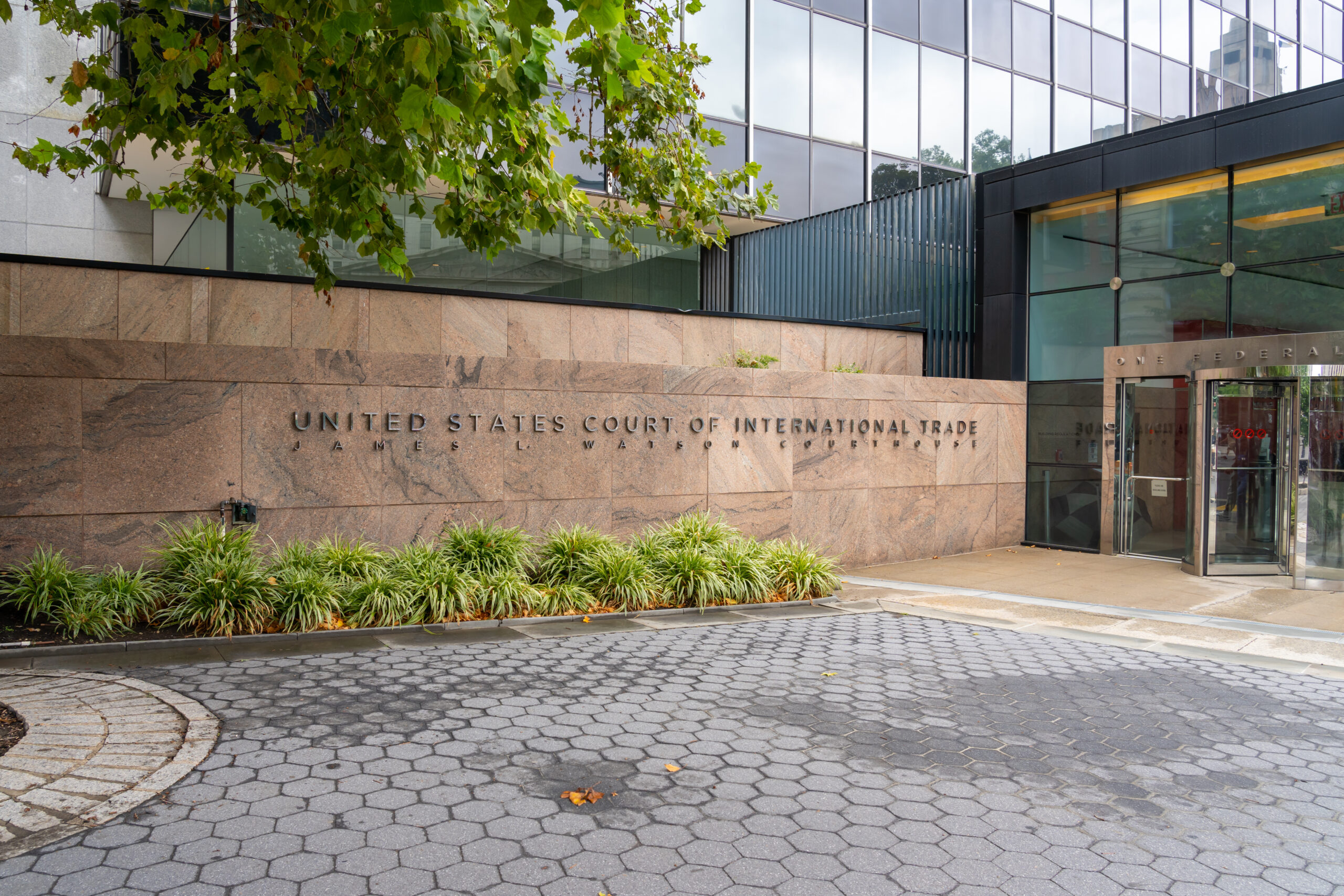
On August 3, 2026, the state attorney generals of twenty-five states (25) co-led by State of Oregon, Arizona and California filed a complaint in the Court of International Trade (CIT) challenging tariffs imposed under Section 301 of the Trade Act of 1974 (Section 301) to address forced labor. The complaint alleges that Section 301 forced labor tariffs are ultra vires, arbitrary, capricious and contrary to law.

This complaint by the 25 state attorney generals challenging the legality of the Section 301 forced labor tariffs, joins other lawsuits pending before the CIT that were filed by small business plaintiffs, Burlap and Barrel, Inc. and Collective Horology LLC.

On July 28, 2026, the U.S. Department of Commerce (Commerce) published a federal notice stating that U.S. manufacturers of engines for cars and medium- and heavy-duty trucks (MHDVs) can now receive tariff offsets for sectoral duties on imported parts. The U.S. International Trade Administration said the new process sets rules similar to the offsets announced in May for vehicle makers that use imported parts.

On July 20, 2026, President Trump issued a new Presidential Proclamation aimed at further strengthening the U.S. aluminum industry. The latest Proclamation builds upon the existing Section 232 aluminum tariff regime by introducing a strategic investment incentive program designed to bring primary aluminum production back to the United States.

On July 20, 2026, President Trump signed a Presidential Proclamation imposing 50% tariffs on certain Canadian products, including goods that qualify for preferential treatment under the United States-Mexico-Canada Agreement (USMCA), effective 12:01 a.m. Eastern Time on August 19, 2026. 

On July 15, 2026, the Office of the United States Trade Representative (USTR) concluded its Section 301 investigation into Brazil’s unreasonable acts, policies, and practices by imposing a 25% tariff on most imports from Brazil, effective July 22, 2026. The action follows more than a year of investigation, multiple rounds of negotiations with Brazilian officials, a public comment period that generated over 360 written submissions, and a two-day public hearing held on July 6–7, 2026.

On July 15, 2026, the Court of International Trade (CIT) issued an order which is the clearest indication of the next steps for addressing the status of finally liquidated entries where IEEPA tariffs were paid. Specifically, the CIT expects U.S. Customs and Border Protection (Customs) to launch Phase 3 of its CAPE platform for tariff refunds. The CIT’s order states that the court will issue case-specific orders in each of the approximately 3,700 individual IEEPA cases that “directs Customs to reliquidate certain finally liquidated entries in accordance with a procedure that will be outlined in the anticipated order.”

On July 9, 2026, President Donald Trump issued a proclamation titled Adjusting Imports of Commercial Aircraft, Jet Engines, and Aircraft and Engine Parts into the United States. The proclamation provides that tariffs under Section 232 of the Trade Expansion Act of 1962, as amended, 19 U.S.C. § 1862 (Section 232), will not be imposed on imports of commercial aircraft, jet engines, or related parts, notwithstanding allegations that such imports pose a threat to national security.

In Husch Blackwell’s May 2026 Trade Law Update you’ll learn about the following updates in international trade and supply chain law:

  • An update on U.S. Department of Commerce decisions
  • U.S. International Trade Commission – Section 701/731 proceedings
  • Customs and Border Protection case summaries
  • Summary of decisions from the Court of International Trade

Should you have