tariffs

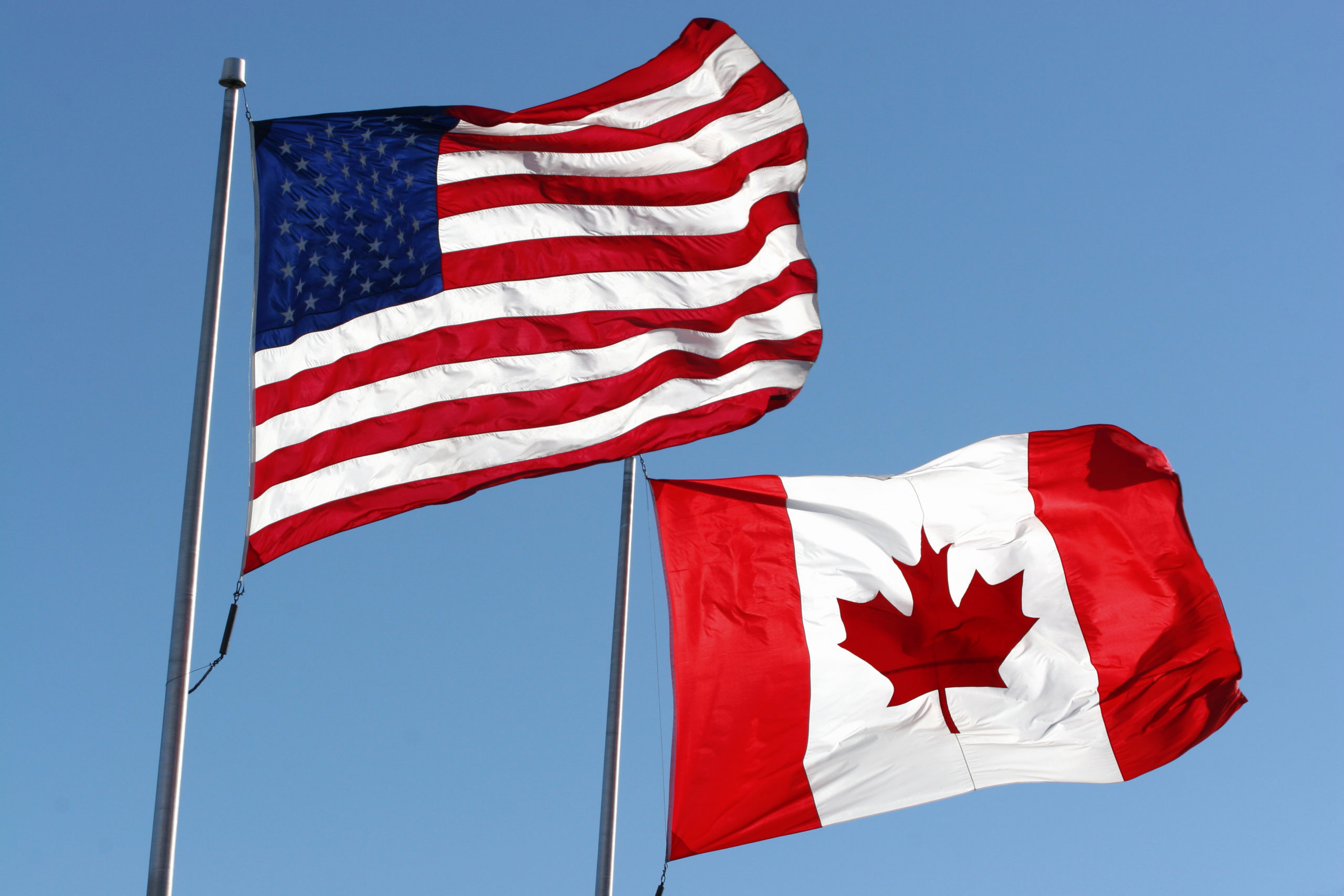
On July 20, 2026, President Trump signed a Presidential Proclamation imposing 50% tariffs on certain Canadian products, including goods that qualify for preferential treatment under the United States-Mexico-Canada Agreement (USMCA), effective 12:01 a.m. Eastern Time on August 19, 2026. 

On July 15, 2026, the Office of the United States Trade Representative (USTR) concluded its Section 301 investigation into Brazil’s unreasonable acts, policies, and practices by imposing a 25% tariff on most imports from Brazil, effective July 22, 2026. The action follows more than a year of investigation, multiple rounds of negotiations with Brazilian officials, a public comment period that generated over 360 written submissions, and a two-day public hearing held on July 6–7, 2026.

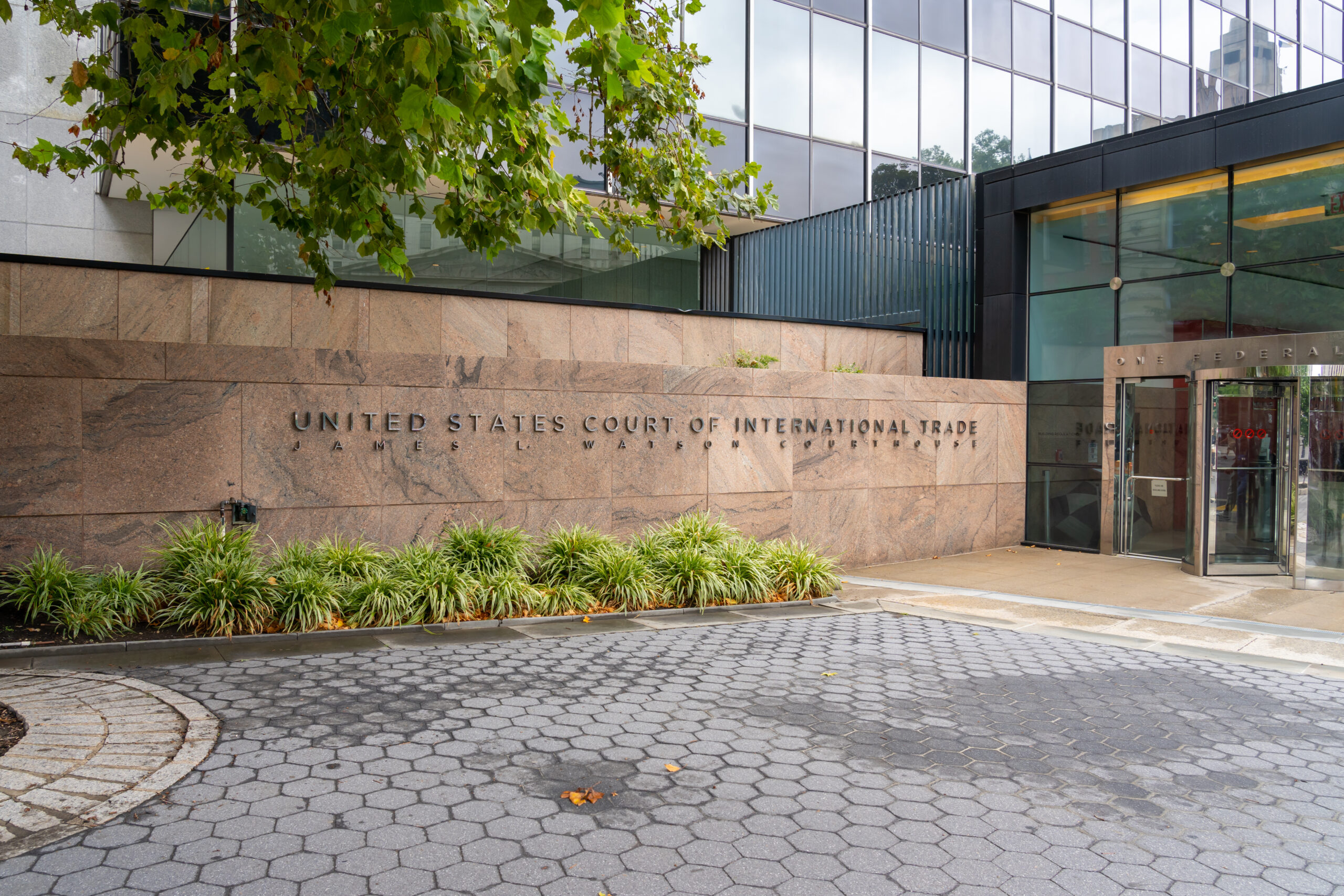
On July 15, 2026, the Court of International Trade (CIT) issued an order which is the clearest indication of the next steps for addressing the status of finally liquidated entries where IEEPA tariffs were paid. Specifically, the CIT expects U.S. Customs and Border Protection (Customs) to launch Phase 3 of its CAPE platform for tariff refunds. The CIT’s order states that the court will issue case-specific orders in each of the approximately 3,700 individual IEEPA cases that “directs Customs to reliquidate certain finally liquidated entries in accordance with a procedure that will be outlined in the anticipated order.”

On July 9, 2026, President Donald Trump issued a proclamation titled Adjusting Imports of Commercial Aircraft, Jet Engines, and Aircraft and Engine Parts into the United States. The proclamation provides that tariffs under Section 232 of the Trade Expansion Act of 1962, as amended, 19 U.S.C. § 1862 (Section 232), will not be imposed on imports of commercial aircraft, jet engines, or related parts, notwithstanding allegations that such imports pose a threat to national security.

In Husch Blackwell’s May 2026 Trade Law Update you’ll learn about the following updates in international trade and supply chain law:

  • An update on U.S. Department of Commerce decisions
  • U.S. International Trade Commission – Section 701/731 proceedings
  • Customs and Border Protection case summaries
  • Summary of decisions from the Court of International Trade

Should you have…

The U.S. Government withdrew its petition for a writ of mandamus at the U.S. Court of Appeals for the Federal Circuit (“Federal Circuit”). On June 9, 2026, the Federal Circuit granted the Government’s request to withdraw the petition and dismissed the mandamus proceeding in In re United States, Fed. Cir. # 26-144, before Senior Judge Richard K. Eaton.

USTR Proposes Section 301 Tariffs on Brazil

On June 1, 2026, the United States Trade Representative (“USTR”) proposed under Section 301 of the Trade Act of 1974 (“Section 301”) to impose tariffs on imports of goods from Brazil due to Brazil’s practices involving digital trade and electronic payment services, unfair and preferential tariffs, anti-corruption enforcement, intellectual property protection, ethanol market access, and illegal deforestation. 

In the latest developments regarding tariffs paid under the International Economic Emergency Powers Act (“IEEPA”), the U.S. Department of Justice (“DOJ”) has formally appealed the U.S. Court of International Trade’s (“CIT”) April 17, 2026, universal injunction ordering refunds to all importers to the U.S. Court of Appeals for the Federal Circuit (“Federal Circuit”).  The DOJ has…

On June 1, 2026, President Trump issued a proclamation reducing tariff rates on certain agricultural equipment, mobile industrial equipment and machinery, and heating, ventilation and air conditioning (“HVAC”) equipment under Section 232 of the Trade Expansion Act of 1962 (“Section 232”). In the same proclamation, President Trump also added aluminum lithographic plates and steel racks…

On May 27, 2026, following a closed-door conference in Euro-Notions Florida v. United States (CIT # 25-00595) (“Euro-Notions”), Judge Eaton issued two (2) orders which will require U.S. Customs and Border Protection (“CBP”) to explain the Government’s position on issuing IEEPA refunds for all entries, including those that have liquidated beyond the statutory reliquidation period…