
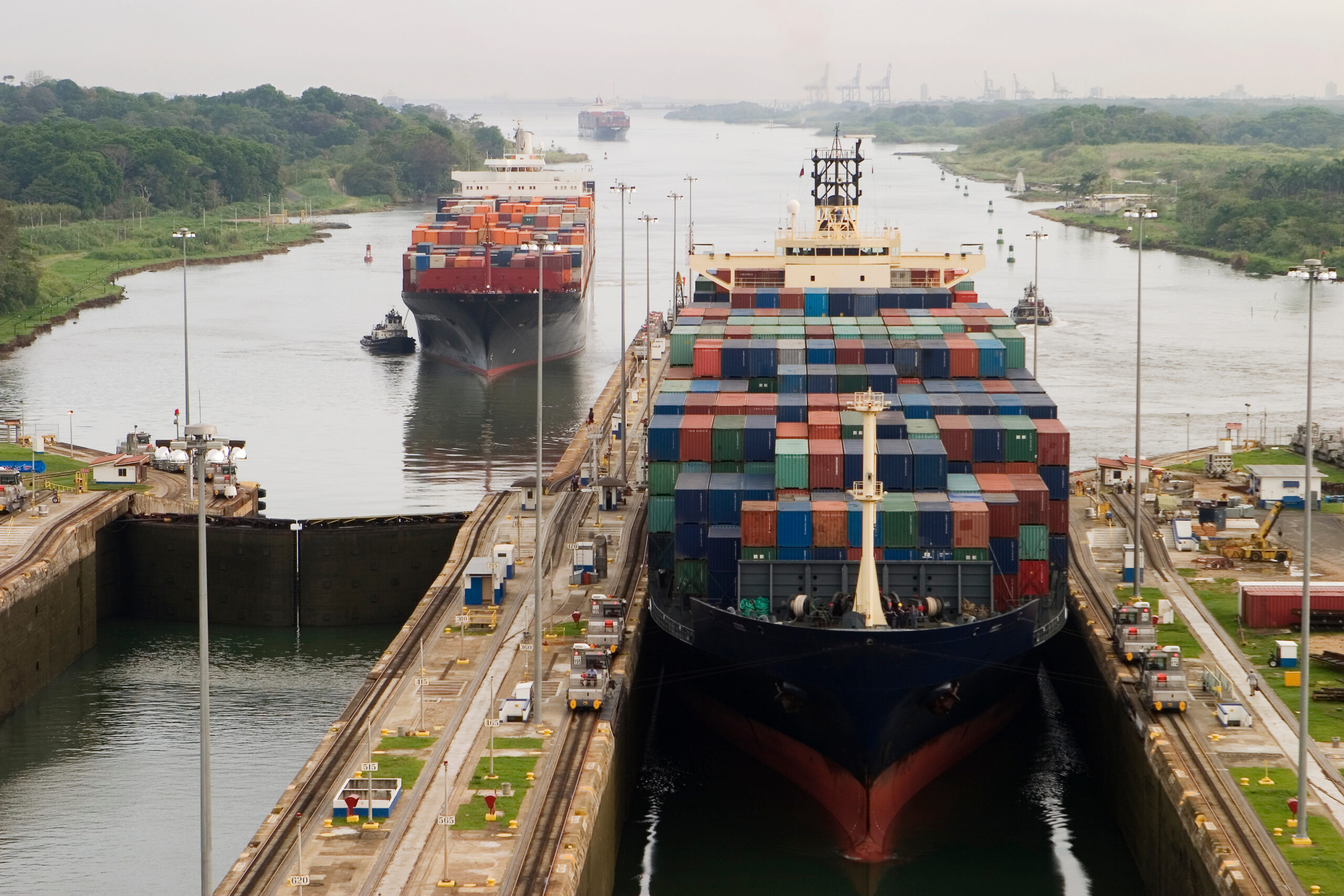
In response to rapidly developing El Niño conditions, the Panama Canal Authority (ACP) has reduced maximum vessel draft limits. The situation may get worse next year, so shippers with Canal-dependent trade lanes should take mitigating steps now before conditions deteriorate further.
The ACP has already imposed five successive draft reductions as vessel backlogs continue to grow, with NOAA now projecting an 81% chance that the developing El Niño event will reach “very strong” status by late 2026. Although daily transit capacity has not yet been reduced, recent history shows how quickly conditions can deteriorate. Canal water levels already sit below historical averages, so shippers should not assume current restrictions represent the peak impact of this event.
Existing transportation contracts present the most immediate risk for many shippers. Draft restrictions reduce vessel capacity, and transit restrictions can create substantial delays. Many carrier bills of lading, tariffs, and NVOCC service arrangements let carriers reroute cargo, omit ports, adjust sailing schedules, or limit cargo quantities while limiting the carrier’s liability for resulting disruptions. If the ACP reduces daily transit slots as it did in 2023–2024, schedule delays could increase materially, and shipping contracts may allow carriers to reroute, omit ports, or reduce cargo quantities without triggering liability.
To learn more about the new ACP restrictions and what they mean for shippers, we encourage you to read the complete legal alert.