

Photo of Benjamin Nashed

Benjamin Nashed

After nearly a decade in the federal government, Benjamin guides clients through the complexities of ocean law and maritime regulations. Benjamin helps shippers, carriers, brokers, truckers, and intermediaries understand and navigate the complex federal regulations governing transportation, ocean shipping, and maritime commerce. He advises on regulatory compliance, negotiates shipping contracts, and provides practical guidance for day-to-day legal questions. As a member of the firm’s Ocean Law team, Benjamin has a strong command of the Ocean Shipping Reform Act and other laws and regulations, with a particular focus on the many regulatory changes enacted in the 2010s and 20s.

In response to rapidly developing El Niño conditions, the Panama Canal Authority (ACP) has reduced maximum vessel draft limits. The situation may get worse next year, so shippers with Canal-dependent trade lanes should take mitigating steps now before conditions deteriorate further.

The ACP has already imposed five successive draft reductions as vessel backlogs continue to

The U.S. Attorney’s Office for the District of Maryland announced on June 18, 2026 that the chief engineer aboard the M/V Dali at the time of the March 2024 Francis Scott Key Bridge allision has entered into a Deferred Prosecution Agreement (DPA) with the United States in connection with the ongoing criminal investigation arising from

The Federal Maritime Commission’s May 13, 2026, Notice of Proposed Rulemaking would significantly revise and modernize its rulemaking procedures by simplifying existing requirements, aligning with current eRulemaking practices, and expanding opportunities for public participation—particularly by making it easier for stakeholders to petition for new or revised regulations.

The proposal signals a shift toward earlier and
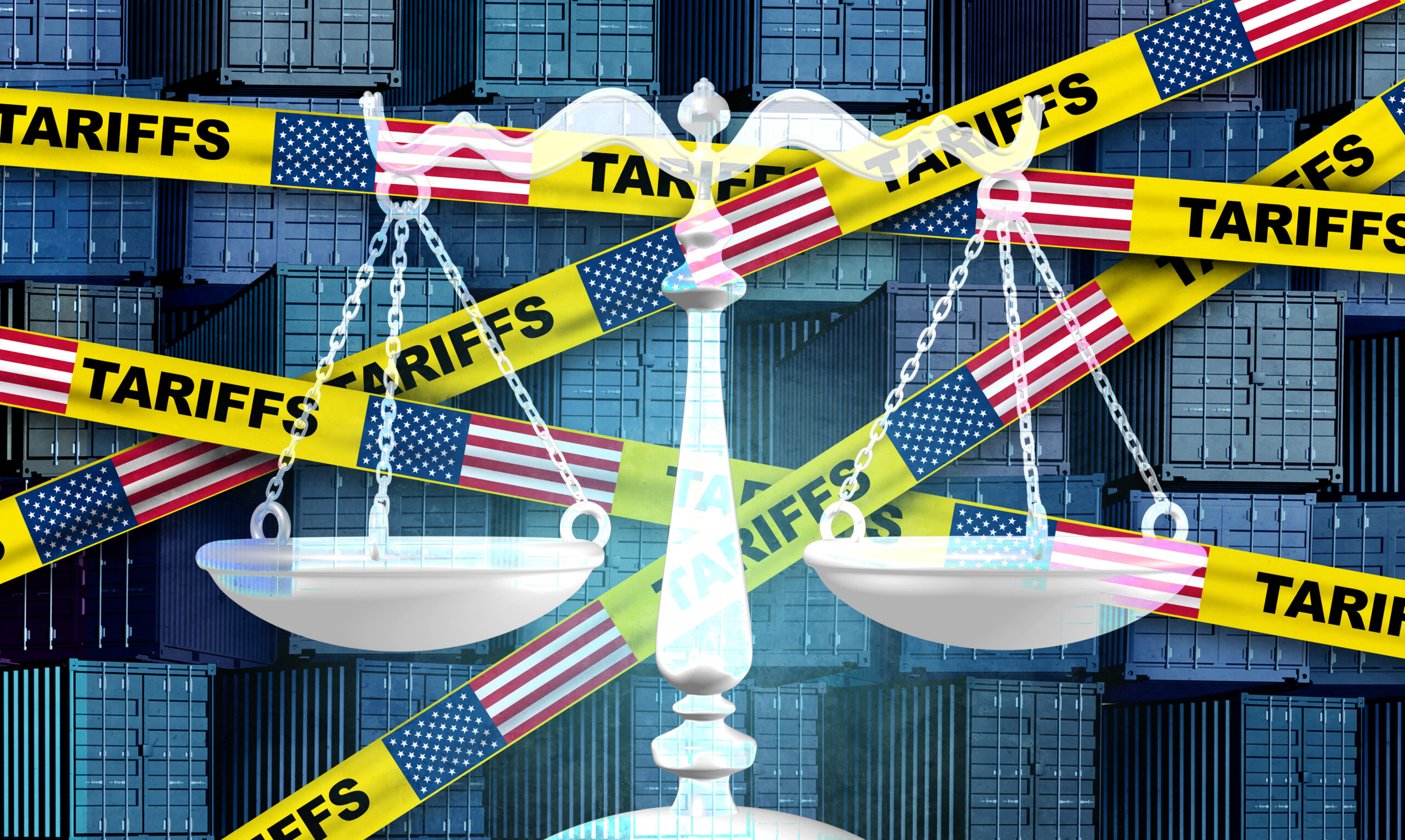
To address disruption in the global energy flow resulting from the conflict with Iran, the White House is considering a temporary waiver of the Jones Act—the law requiring cargo moving between U.S. ports to be carried on U.S.-built vehicles. If this waiver goes into effect, it will have important implications for ocean shipping stakeholders.

To

Several major ocean carriers have recently announced new Energy Fuel Surcharges (EFS) in response to sharply rising bunker fuel costs resulting from the latest geopolitical disruption in the Middle East.

Despite the sudden nature of the announcements, these surcharges will still need to comply with tariff and publishing requirements established by the U.S. Federal Maritime