
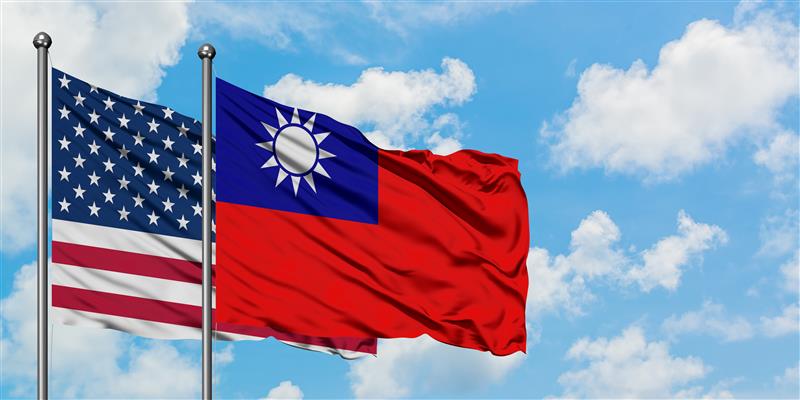
On January 15, 2026, the U.S. Department of Commerce announced that the United States and Taiwan reached a trade agreement. As part of the deal, Taiwanese semiconductor and technology companies will invest at least $250 billion to expand production capacity within the United States, with the Taiwanese government providing $250 billion in credit guarantees to support these investments. In exchange, the United States will reduce the IEEPA reciprocal tariffs on Taiwanese goods will total no more than 15 percent, down from the previous rate of 20%. The agreement also eliminates tariffs on generic pharmaceuticals and their ingredients, aircraft components, and certain natural resources imported from Taiwan. For Taiwanese auto parts and lumber derivatives currently subject to Section 232 tariffs, the rate will be capped at 15%, compared to the 25% rate applied to most countries.
Additionally, the agreement introduces special incentives for Taiwanese semiconductor manufacturers investing in the United States. Companies building new U.S. semiconductor facilities will be allowed to import up to 2.5 times their planned U.S. production capacity without paying Section 232 duties during the approved construction period, with imports above this quota subject to a lower, preferential Section 232 rate. Once these new projects are completed, Taiwanese firms will still be able to import up to 1.5 times their new U.S. production capacity without being subject to Section 232 duties.
The Husch Blackwell International Trade Team continues to monitor developments and will provide updates as they are available.