
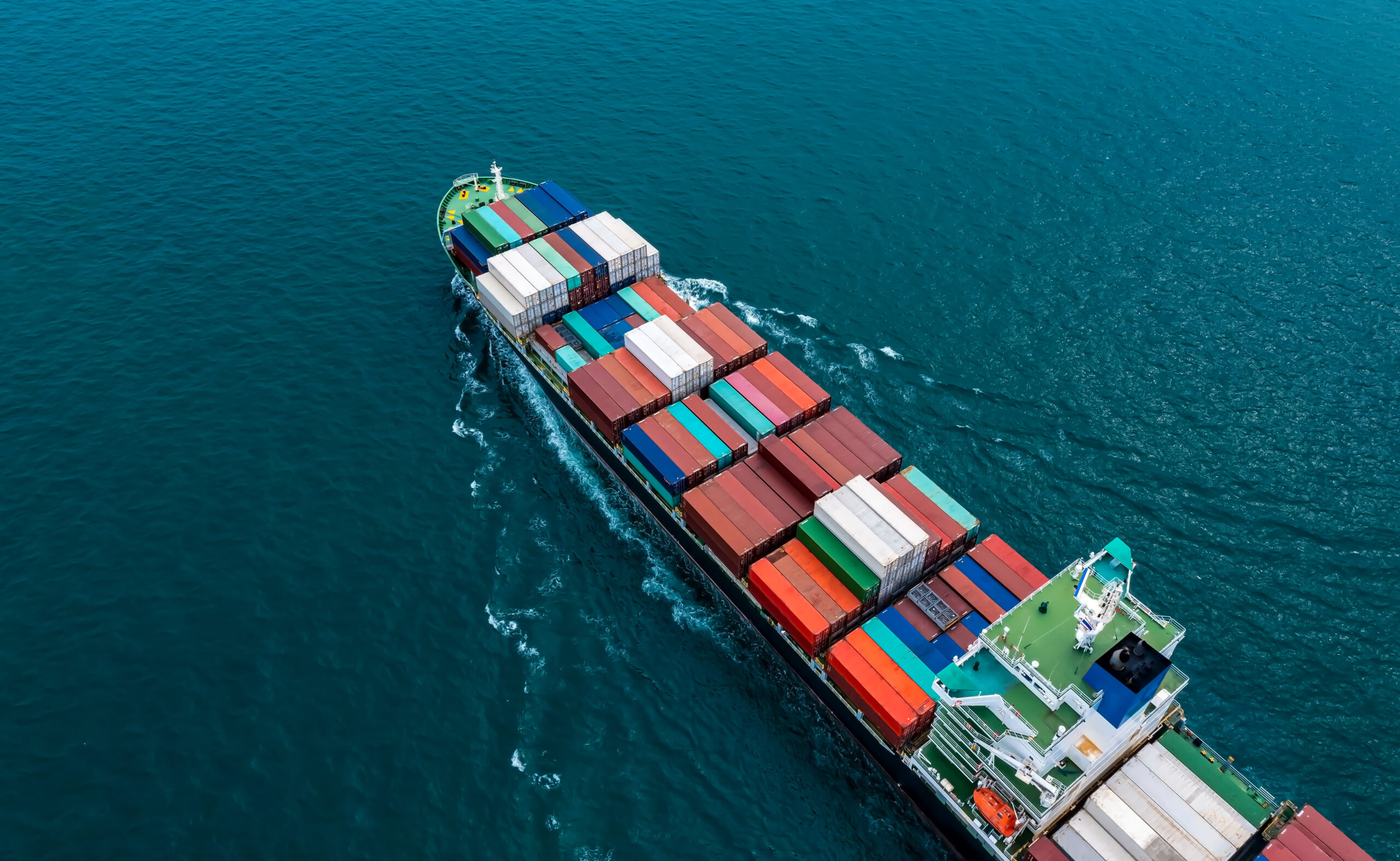
On March 18, 2026, the Trump Administration announced a 60-day waiver of the Jones Act, which requires that cargo transported between U.S. ports be carried on vessels that are U.S.-built, U.S.-flagged, and U.S.-crewed. Pursuant to Cargo Systems Messaging Service (“CSMS”) Message No. 68096516, the waiver took effect March 18, 2026, and is currently scheduled to expire at 11:59 p.m. EDT on May 17, 2026.
To facilitate the Jones Act waiver, U.S. Customs and Border Protection (“CBP”) on March 19, 2026, issued implementation guidance via the CSMS explaining how the waiver will operate in practice and outlining the applicable compliance obligations.
In particular, CBP has clarified that any member of the trade community may rely on the waiver, provided that the shipment involves a covered commodity (see the list provided in the CSMS), is transported on a foreign‑flag vessel during the waiver period and complies with all procedural requirements. Parties intending to use the waiver must provide advance notice to CBP by emailing jonesact@cbp.dhs.gov. The notification must include:
- Vessel name (including IMO number and flag)
- Commodity and relevant Harmonized Tariff Schedule (HTS) Code
- Carrier
- Ports and dates of departure and arrival (include CBP port code)
Additionally, the CSMS indicates that any foreign vessel arriving from a domestic port must file a formal entry (of the vessel), regardless of the cargo carried. As such, foreign-flagged vessels transporting cargo pursuant to this waiver remain subject to vessel entrance and clearance requirements and should use the Vessel Entrance and Clearance System (“VECS”) in the Automated Commercial Environment (“ACE”). Failure to comply with these requirements may result in civil or criminal penalties.
For domestic cargo transported under the waiver, carriers are required to file a paper CBP Form 1302 (Inward Cargo Declaration). The form must be properly annotated to reflect the use of the waiver, including identifying the prior departure U.S. port as the “Last Foreign Port Before U.S.,” listing the U.S. port of lading as the “Foreign Port Where Cargo is Laden on Board,” and including a statement indicating the following: “Shipment described is a domestic shipment moving under the requirement of the Jones Act waiver issued March 17, 2026.” If all these elements are included on the paper CBP Form 1302, CBP will allow the cargo to be cleared as domestic cargo. CBP permits carriers to submit the CBP Form 1302 by uploading the form into the Document Imaging System (DIS) in VECS, emailing the form to the ports of loading and discharge, or providing a physical copy to the local CBP ports.
In addition, within ten days after the date of conclusion of the voyage of a vessel that is operated under this waiver, the owner or operator of the vessel and the individual requesting such waiver (if not the owner or operator of the vessel) shall submit a report to the Maritime Administrator at marad.milcargo@dot.gov. The report must include the following data elements:
- The name and flag of the vessel;
- The name of the owner and operator of the vessel;
- The dates of the voyage;
- Any relevant ports of call;
- A description of the cargo carried;
- An explanation as to why the waiver was in the interest of national defense; and
- Any other information the Maritime Administrator determines necessary.
We recommend that affected parties carefully review the requirements outlined in the referenced CSMS to ensure a clear understanding of the compliance obligations associated with the Jones Act waiver.
If you have questions regarding provisions in shipping agreements that address Emergency Fuel Surcharges or other charges, please contact Julie Maurer or a member of our International Trade and Supply Chain team.