
Photo of Cortney Morgan

Cortney Morgan

An experienced attorney in the area of international trade and supply chain issues, Cortney advises foreign and domestic clients on all aspects of international trade regulation, planning and compliance, including import (customs), export controls, economic sanctions, embargoes, international trade agreements and preference programs.

The U.S. Department of State’s Directorate of Defense Trade Controls (“DDTC”) recently announced on its website immediate measures intended to mitigate the impact of the SARS-COV2 pandemic on U.S. businesses and supply chains.  These measures include the following temporary changes to the registration and licensing requirements:

  • Temporary suspension of the requirements set forth in the

On April 29, 2020, the Commerce Department (“Commerce”) published a notice in Federal Register announcing that it is proposing new regulations that would establish an Aluminum Import Monitoring and Analysis System. The program appears to be modeled after the Steel Import Monitoring and Analysis (“SIMA”) System which has been in place since 2005.  Under the
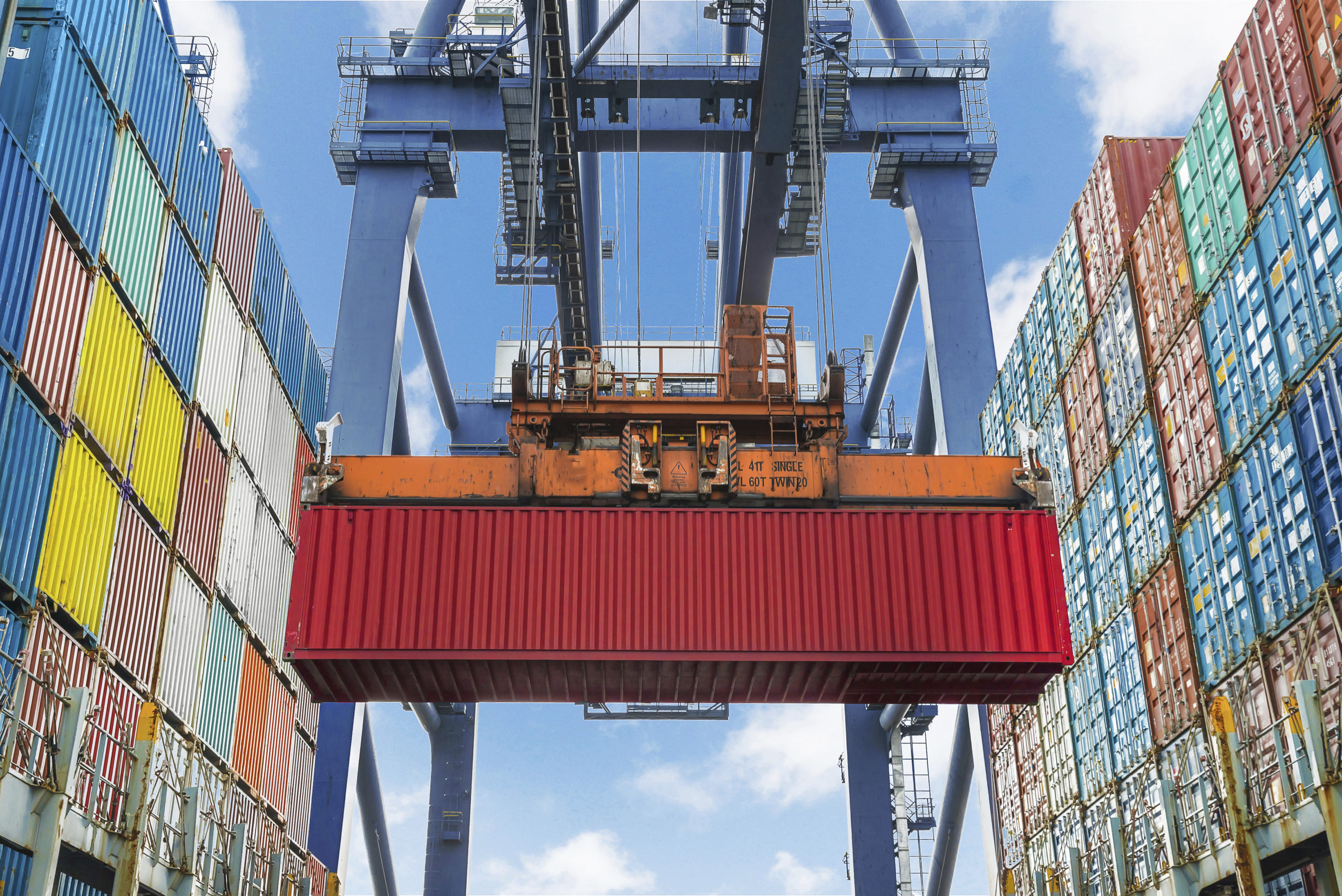
Following an April 10 temporary final rule restricting the export of personal protective equipment (PPE) and an April 21 Notice of Exemptions from the Federal Emergency Management Agency (FEMA), U.S. Customs and Border Protection (CBP) has now issued a set of Frequently Asked Questions (FAQs) regarding the export of PPE.  The FAQs, available here,

As previously reported here, on April 10, 2010, the US Federal Emergency Management Agency (FEMA) issued a temporary final rule restricting the export of certain types of personal protective equipment (PPE).  The temporary rule required FEMA approval before certain kinds of PPE could be exported from the United States.

On April 21, 2020, FEMA

U.S. Supply Chain

The Federal Emergency Management Agency (FEMA) issued a temporary final rule requiring FEMA approval before certain kinds of personal protective equipment (PPE) can be exported from the United States.  The temporary rule is being issued pursuant to, among other authorities, the Defense Production Act of 1950 and a series of Executive Orders.  Based on these

The U.S. Department of Treasury’s Office of Foreign Assets Control (“OFAC”) recently issued General License 13E (“GL 13E”), authorizing certain activities involving Nynas AB, a Swedish manufacturer of specialty oils owned in part by PDVSA, Venezuela’s state-owned oil company, which would normally be prohibited by Executive Order 13850 (“E.O. 13850”).  The notice issued by OFAC

UPDATED: April 1, 2020 – Several U.S. executive branch agencies along with federal courts are instituting significant operational changes.  These changes have either already been implemented or are anticipated at the U.S. government agencies and courts which manage international trade-related concerns in the coming weeks due to personnel and public safety concerns over the COVID-19

UPDATED: March 25, 2020 – Several U.S. executive branch agencies along with federal courts are instituting significant operational changes.  These changes have either already been implemented or are anticipated at the U.S. government agencies and courts which manage international trade-related concerns in the coming weeks due to personnel and public safety concerns over the COVID-19

On March 13, 2020, the Canadian Parliament approved the U.S.-Mexico-Canada Agreement (the “USMCA” in the United States or “CUSMA” in Canada), with Royal Assent, Canada’s equivalent to a U.S. presidential signature, following shortly thereafter.  As a result, Canada became the final of the three countries to approve the revised NAFTA free trade agreement.  Before implementing

In Husch Blackwell’s February 2020 Trade Law Newsletter, you’ll learn about the following updates in international trade and supply chain law:

  • USTR announces increase in Section 301 tariffs for aircraft
  • Section 232 derivative product tariffs
  • Commerce initiates an AD investigation on imports of difluoromethane (R-32) from China
  • India removed from U.S. list of developing