
Photo of Grant Leach

Grant Leach

Grant focuses his practice on international trade, international compliance, securities, mergers, acquisitions and general corporate matters.

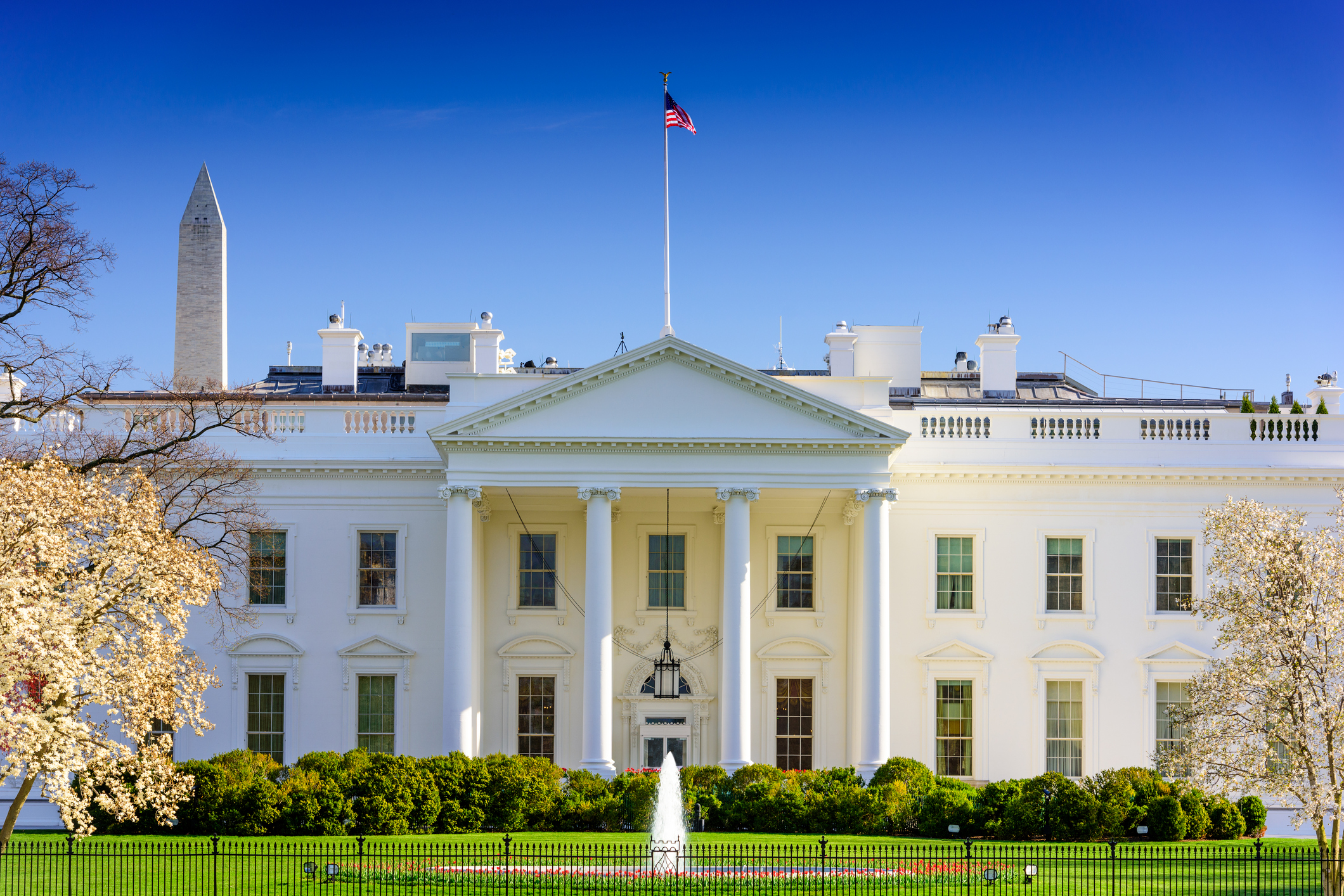
On November 2, 2020, the White House released a notice continuing the national emergency with respect to Sudan declared in Executive Order 13067 of 1997.  Secretary of State Mike Pompeo issued a press statement clarifying that the United States is continuing certain Sudan-related sanctions pursuant to obligations to the United Nations (“UN”), but that the

The U.S. Department of Commerce’s Bureau of Industry and Security (“BIS”) issued a final rule effective October 29, 2020 amending Section 742.4(b)(7) of the Export Administration Regulations (“EAR”) to revise the license review policy for items controlled for National Security reasons (“NS items”) destined for the People’s Republic of China (“China”), Venezuela, or the Russian

President Trump issued an Executive Order on September 21, 2020 which, effective immediately, imposes secondary sanctions on the transfer and sale of certain conventional arms shipments and the supply of related services to Iran by non-U.S. persons.  This Executive Order follows the current administration’s failed effort to reinstate sanctions and a conventional arms embargo by

China-based smartphone apps, TikTok and WeChat, have each received a reprieve from the respective bans, which were originally ordered by President Trump on August 6, 2020 against both parties and were scheduled to take effect on September 21, 2020.  Please see our previous post covering the Executive Orders.  Pursuant to the Executive Orders banning the

The U.S. Department of Commerce’s Bureau of Industry and Security (“BIS”) has announced that it is further restricting access by Huawei Technologies Co. Ltd. and its designated non-U.S. affiliates (“Huawei”) to U.S.-produced technology and software.  As we have previously discussed, BIS first added Huawei to its Entity List on May 15, 2019 and has continued to impose additional export restrictions on Huawei under the U.S. Export Administration Regulations (“EAR”).  Most recently, BIS published a Federal Register notice to implement the following enhancements.  Although BIS published this Federal Register notice on August 20, 2020, the following rule changes took effect retroactively as of August 17, 2020:

On July 14, 2020, the United Kingdom announced that it will ban Huawei Technologies, Co. Ltd. (“Huawei”) equipment from its 5G network. Effective December 31, 2020, Telecoms operators in the UK can no longer purchase Huawei equipment and have until 2027 to remove Huawei technology from their networks, with broadband companies receiving an additional two

The U.S. Department of Treasury’s Office of Foreign Assets Controls (“OFAC”) issued General License 5D pertaining to the Venezuela sanctions. Effective July 15, 2020, General License 5D replaces and supersedes General License 5C, which authorizes transactions related to the state-owned oil company Petróleos de Venezuela, S.A (“PDVSA”) 2020 8.5 percent bond that would be prohibited

The U.S. Department of Commerce’s Bureau of Industry and Security (“BIS”) published a notice in the Federal Register announcing a rule change effective June 18, 2020, which amends the Export Administration Regulations (“EAR”) to allow for the release of certain technology to Huawei Technologies, Co., Ltd. and 114 of its non-U.S. affiliates designated on the

The Office of the U.S. Trade Representative (“USTR”) announced on June 2, 2020 that it is initiating Section 301 investigations on Digital Services Taxes (“DSTs”) adopted or under consideration by Austria, Brazil, Czech Republic, the European Union (“EU”), India, Indonesia, Italy, Spain, Turkey, and the United Kingdom (“U.K.”). The Section 301 DST investigations could lead