
The U.S. Supreme Court recently heard oral arguments in Flowers Foods, Inc. v. Brock, No. 24-935, a case to determine whether a last-mile delivery driver who picks up products and delivers them within the same state qualifies as a “transportation worker engaged in interstate commerce” and is exempt from the Federal Arbitration Act (FAA)

A Temporary Waiver of the Jones Act May Be Coming in Response to the Middle East Conflict
To address disruption in the global energy flow resulting from the conflict with Iran, the White House is considering a temporary waiver of the Jones Act—the law requiring cargo moving between U.S. ports to be carried on U.S.-built vehicles. If this waiver goes into effect, it will have important implications for ocean shipping stakeholders.
To
The Implications of New Fuel Surcharges in Response to Shipping Disruptions in the Middle East
Several major ocean carriers have recently announced new Energy Fuel Surcharges (EFS) in response to sharply rising bunker fuel costs resulting from the latest geopolitical disruption in the Middle East.
Despite the sudden nature of the announcements, these surcharges will still need to comply with tariff and publishing requirements established by the U.S. Federal Maritime
Potentially “Freezing the Clock” on D&D Amid ILA Strike
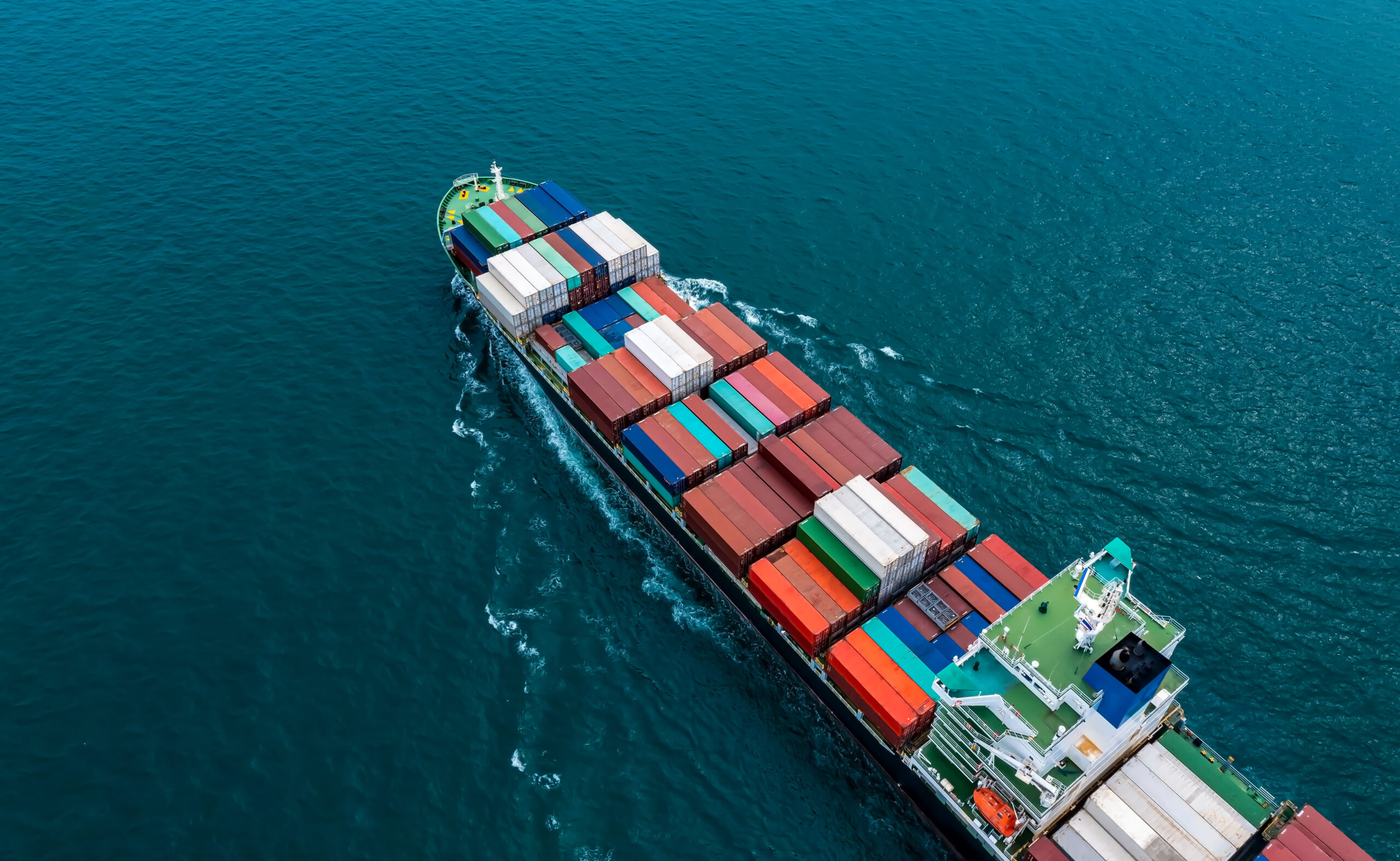
As the International Longshoreman’s Association (ILA) strike commenced yesterday morning, our team received word from a source with knowledge of operations at the Port of New York and New Jersey (NYNJ) that, one by one, NYNJ terminals decided to “freeze the clock” on detention and demurrage (D&D) charges for the duration of the ILA strike.
Dockworkers Up Ante as Freight Rates Soar
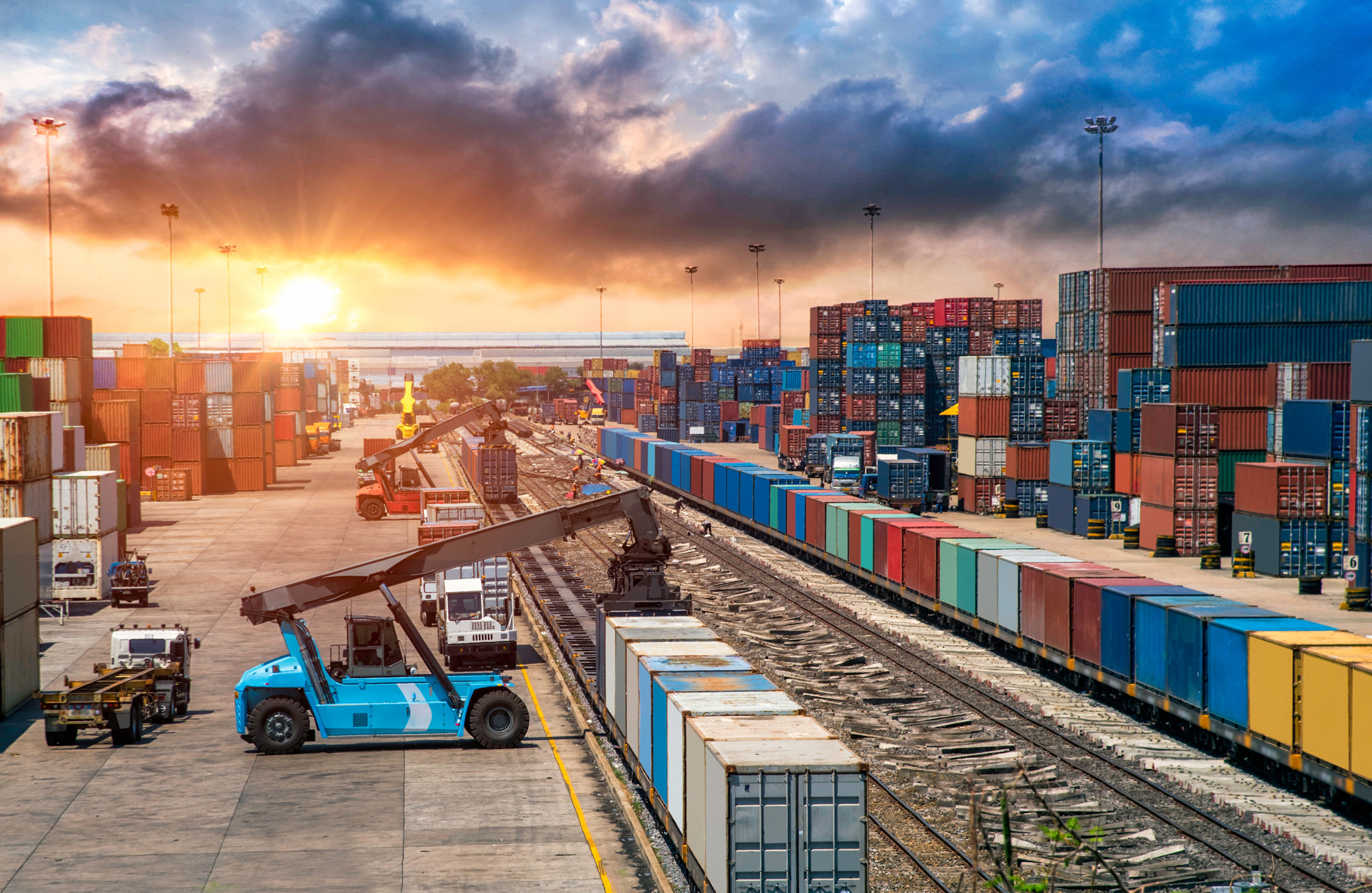
Earlier this week, 159 trade associations representing key supply chain stakeholders sent a letter to the Biden administration and relevant congressional committees calling on the U.S. government to intervene in the stalled labor contract negotiations between the International Longshoremen’s Association (ILA) and the United States Maritime Alliance (USMX). On June 10, the ILA issued a press release announcing its refusal to continue negotiations due to an outstanding dispute with a terminal operator involving one Gulf Coast port. The ILA has signaled its willingness to call for a coastwide strike if a new contract agreement is not reached prior to the expiration of the current contract, which covers roughly 45,000 dockworkers at seaports on the U.S. East and Gulf Coasts.

What Do Importers and Shippers Need to Know about the FMC’s New Rule on D&D Invoices?
On February 23, 2024, the Federal Maritime Commission (FMC) issued a Final Rule intended to add clarity to invoicing requirements outlined in the Ocean Shipping Reform Act of 2022 (OSRA 2022). In particular, the Final Rule provides minimum information for demurrage and detention (D&D) invoices and procedures for disputing charges. D&D invoices have created a host of issues for importers and shippers throughout the economy, especially as they relate to the lack of information provided on the invoices.
The Application of Force Majeure Provisions to Shipping Disputes
Force majeure contract provisions are potentially coming into play as Maersk, Hapag-Lloyd, and other ocean carriers divert ships around geopolitical trouble spots in the Red Sea.