Photo of Nithya Nagarajan

Nithya Nagarajan

Nithya’s extensive background in U.S. trade issues spans 25 years and includes various roles in a number of federal government agencies, including the Department of Commerce Department of Justice, and the U.S. Court of International Trade. She assists clients with administrative and regulatory actions before the Department of Commerce, International Trade Commission and U.S. Customs and Border Protection (CBP) and defends clients in appeals before the Court of International Trade, Court of Appeals for the Federal Circuit, NAFTA panels and the World Trade Organization. In addition to her body of U.S. experience, Nithya is also well-versed in international trade issues in China and India.

In Husch Blackwell’s February 2020 Trade Law Newsletter, you’ll learn about the following updates in international trade and supply chain law:

  • USTR announces increase in Section 301 tariffs for aircraft
  • Section 232 derivative product tariffs
  • Commerce initiates an AD investigation on imports of difluoromethane (R-32) from China
  • India removed from U.S. list of developing

On February 28, 2020, the Court of Appeals for the Federal Circuit affirmed the Court of International Trade’s decision that found the institution of Section 232 tariffs on steel and aluminum were not an unconstitutional delegation of authority by Congress to the President under Supreme Court precedent.  This appeal addressed the basic steel and aluminum

White HouseWhy importers of steel and aluminum derivative products should consider challenging the administration’s imposition of additional Section 232 duties:

  • The processes followed by the administration in implementing additional Section 232 tariffs on steel and aluminum products not originally included in the Section 232 duties are procedurally flawed.
  • The institution of additional duties on products not

On February 13, 2020, the Department of Commerce (“Commerce”) announced the initiation of an antidumping duty (“AD”) investigation of imports of difluoromethane, a chemical compound known also as R-32, from the People’s Republic of China.  The petitioner in this case is Arkema, Inc., which estimated that 2018 imports of R-32 from China were valued at

The United States has updated its list of developing and least-developed countries pertaining to countervailing duty (CVD) law.  The most notable change is that India has been removed from this list due to its share of global trade, one of the several factors considered in creating the list of developing countries.  Prior to the change

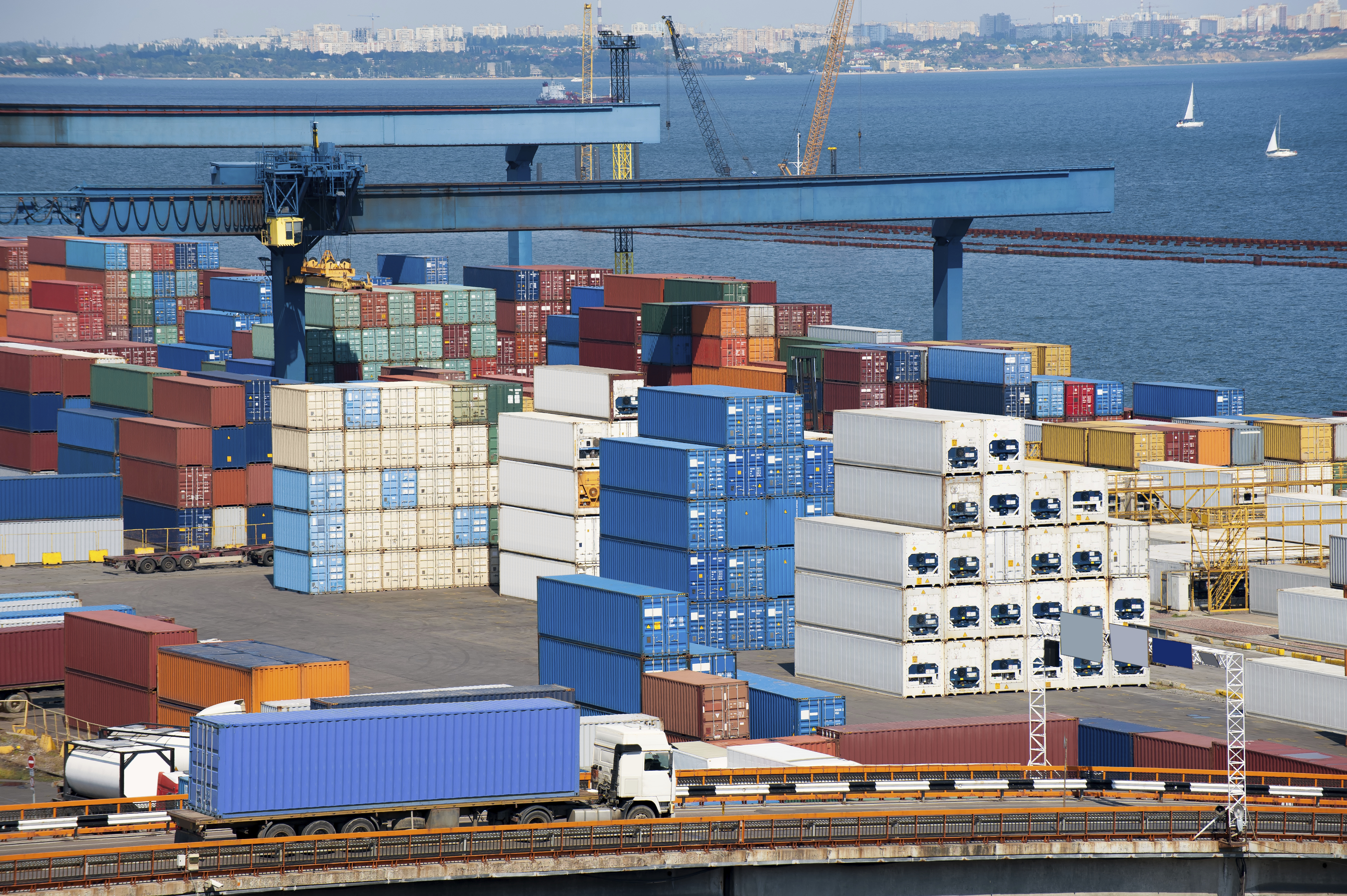
Shipping containersOn February 10, 2020, the Department of Commerce (“Commerce”) announced its affirmative final determinations in the AD and CVD investigations of imports of carbon and alloy steel threaded rod from China and India.  See the fact sheet for a summary of the final cash deposit rates and margins.

In the China AD investigation, Commerce calculated

China’s Ministry of Finance announced today that China will reduce tariffs by up to fifty percent on certain U.S. imports as the two countries move forward to implement “Phase One” of the trade deal signed on January 15, 2020.  China’s tariff cuts will affect U.S. goods worth approximately $75 billion and will reduce duty rates

The Commerce Department issued its final rule amending the countervailing duty regulations to address potential currency undervaluation.  This revision to Commerce’s regulations will take effect in 60 days and will apply to all new investigations and administrative reviews that begin on or after April 6, 2020.  The new rules would effectively clear the way for

On January 31, 2020, the United States Trade Representative (“USTR”) issued another round of product exclusions pertaining to the 25% Section 301 List 3 Tariffs.  The new list of exclusions includes 52 specifically crafted product descriptions that cover 117 separate exclusion requests.  To view the full list of excluded products, click here.  According to

On February 3, 2020, Commerce announced in the Federal Register the opportunity to request an annual administrative review for products that are currently subject to antidumping and countervailing duties.  As part of this annual review process, Commerce intends to select respondents based on U.S. Customs and Border Patrol (CBP) data for U.S. imports during the