International Trade & Supply Chain

In response to rapidly developing El Niño conditions, the Panama Canal Authority (ACP) has reduced maximum vessel draft limits. The situation may get worse next year, so shippers with Canal-dependent trade lanes should take mitigating steps now before conditions deteriorate further.

The ACP has already imposed five successive draft reductions as vessel backlogs continue to…

On August 13, 2026, the White House Office of Trade and Manufacturing Policy released a report identifying more than 40 countries it characterizes as presenting an elevated risk of illegal transshipment of Chinese-origin goods into the United States. The report also states that an artificial-intelligence-driven enforcement tool, referred to as “Detective Border,” is under development to support U.S. Customs and Border Protection (CBP) in detecting and interdicting such shipments.

The Trump Administration has officially reduced tariffs on patented pharmaceuticals and associated pharmaceutical ingredients imported from the United Kingdom (UK) from 10% to 0%. This change, effective July 31, 2026, is the result of an agreement between the United States and the UK, which created a carve out for UK origin pharmaceutical products from the recent national security tariffs imposed on patented pharmaceuticals pursuant to Section 232 of the Trade Expansion Act of 1962 (Section 232).

On August 4, 2026 the Bureau of Industry and Security (BIS) published a notice seeking public comments on expanding tariffs applicable to certain steel, aluminum and copper derivative products under Section 232 of the Trade Expansion Act of 1962 (Section 232) to fourteen (14) additional derivative products.

The list of products proposed to be subject…

On August 3, 2026, the state attorney generals of twenty-five states (25) co-led by State of Oregon, Arizona and California filed a complaint in the Court of International Trade (CIT) challenging tariffs imposed under Section 301 of the Trade Act of 1974 (Section 301) to address forced labor. The complaint alleges that Section 301 forced labor tariffs are ultra vires, arbitrary, capricious and contrary to law.

This complaint by the 25 state attorney generals challenging the legality of the Section 301 forced labor tariffs, joins other lawsuits pending before the CIT that were filed by small business plaintiffs, Burlap and Barrel, Inc. and Collective Horology LLC.

On July 31, 2026, President Trump issued proclamation “To Facilitate Positive Adjustment to Competition From Imports of Quartz Surface Products,” introducing a tariff-rate quota (“TRQ”) that will go into effect on August 15, 2026 on imports of certain quartz surface products under Section 203 of the Trade Act. The action follows a recommendation from the International Trade Commission in May 2026, which found that increased import volumes of quartz are harming the domestic quartz industry.

On July 28, 2026, the U.S. Department of Commerce (Commerce) published a federal notice stating that U.S. manufacturers of engines for cars and medium- and heavy-duty trucks (MHDVs) can now receive tariff offsets for sectoral duties on imported parts. The U.S. International Trade Administration said the new process sets rules similar to the offsets announced in May for vehicle makers that use imported parts.

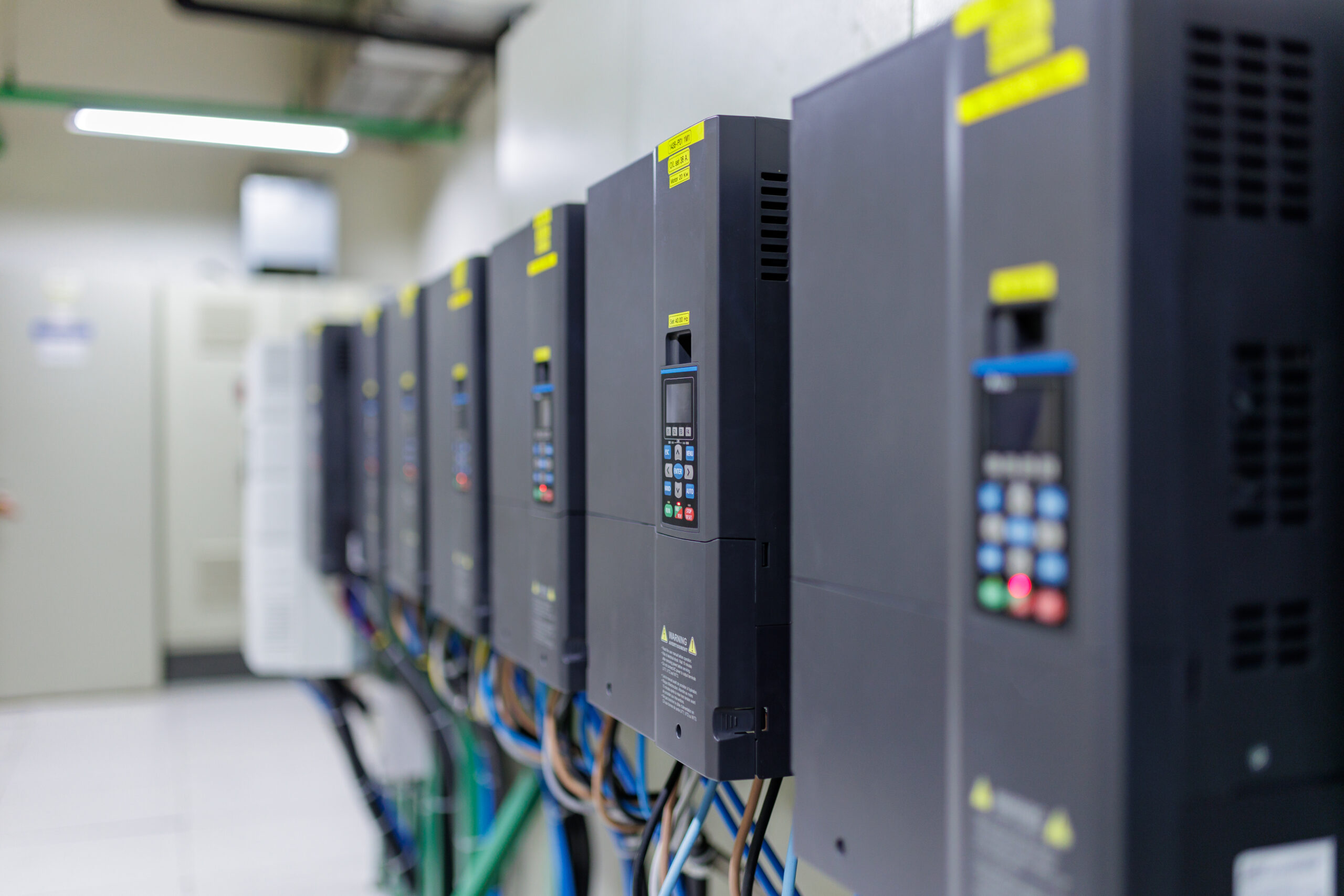
On July 29, the Federal Communications Commission (FCC) updated its Covered List to add two new categories of foreign-produced equipment: advanced robotic devices and power inverters. The move follows determinations by a White House-convened Executive Branch interagency body with national security expertise, which found that these foreign-made products “pose unacceptable risks to the national security of the United States or the safety and security of United States persons.” Notably, if applicable, these Covered List restrictions will apply to advanced robotic devices or power inverters produced in any country outside of the United States. 

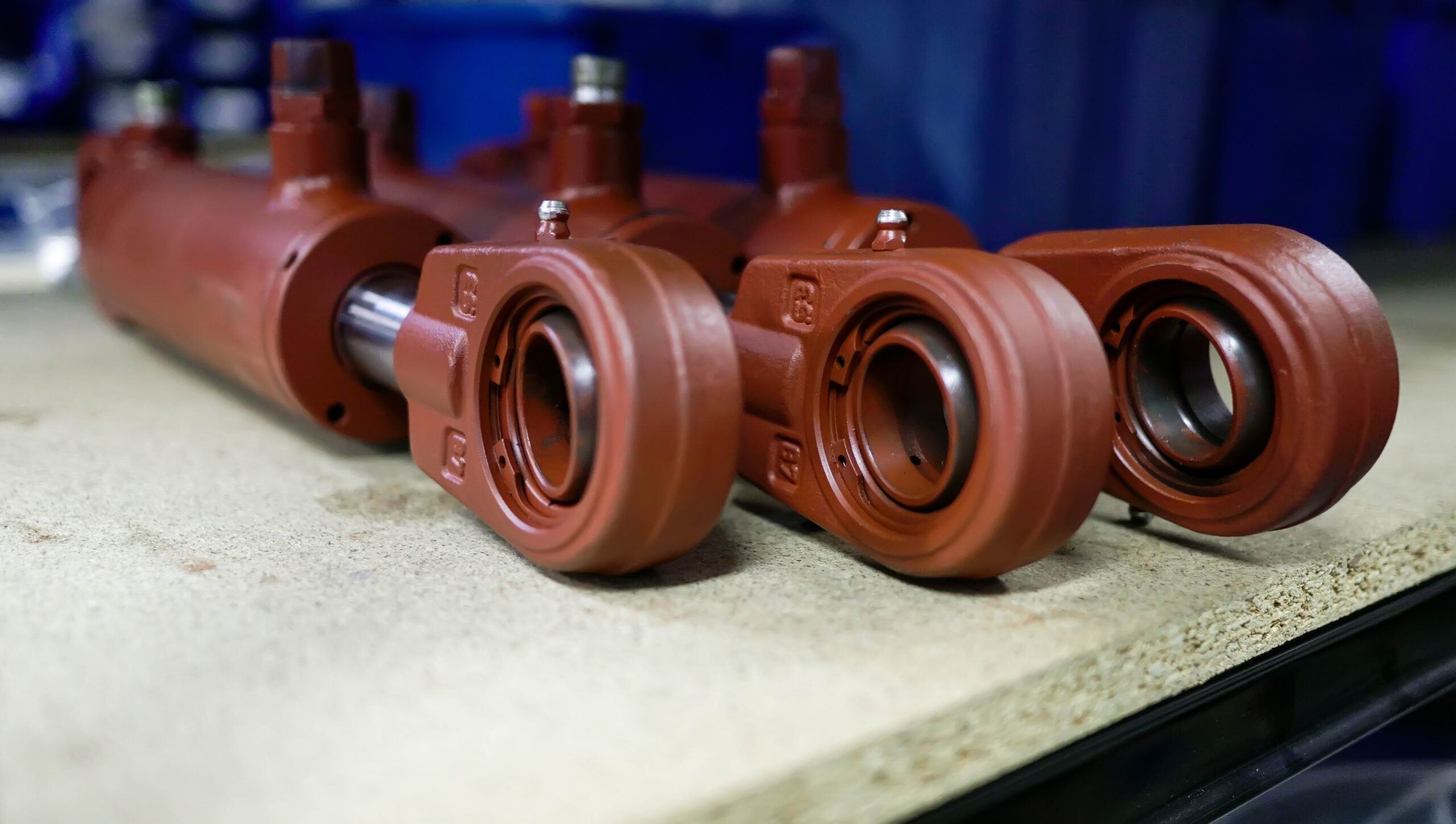
On July 29, 2026, the Hydraulic Cylinders Fair Trade Coalition and its individual members, Aggressive Hydraulics, Inc., Hol-Mac Corporation, Ligon Hydraulics, Prince Manufacturing Corporation, PTC Alliance LLC, Rosenboom Machine & Tool, Inc., Scot Industries, Inc., Stillwell Inc., and Texas Hydraulics, Inc. (Petitioners) filed petitions requesting the imposition of antidumping duties on imports of certain linear hydraulic cylinders and parts thereof (Hydraulic Cylinders) from Canada, China, India, Mexico, and South Korea, and countervailing duties on imports from China, India, and Mexico.