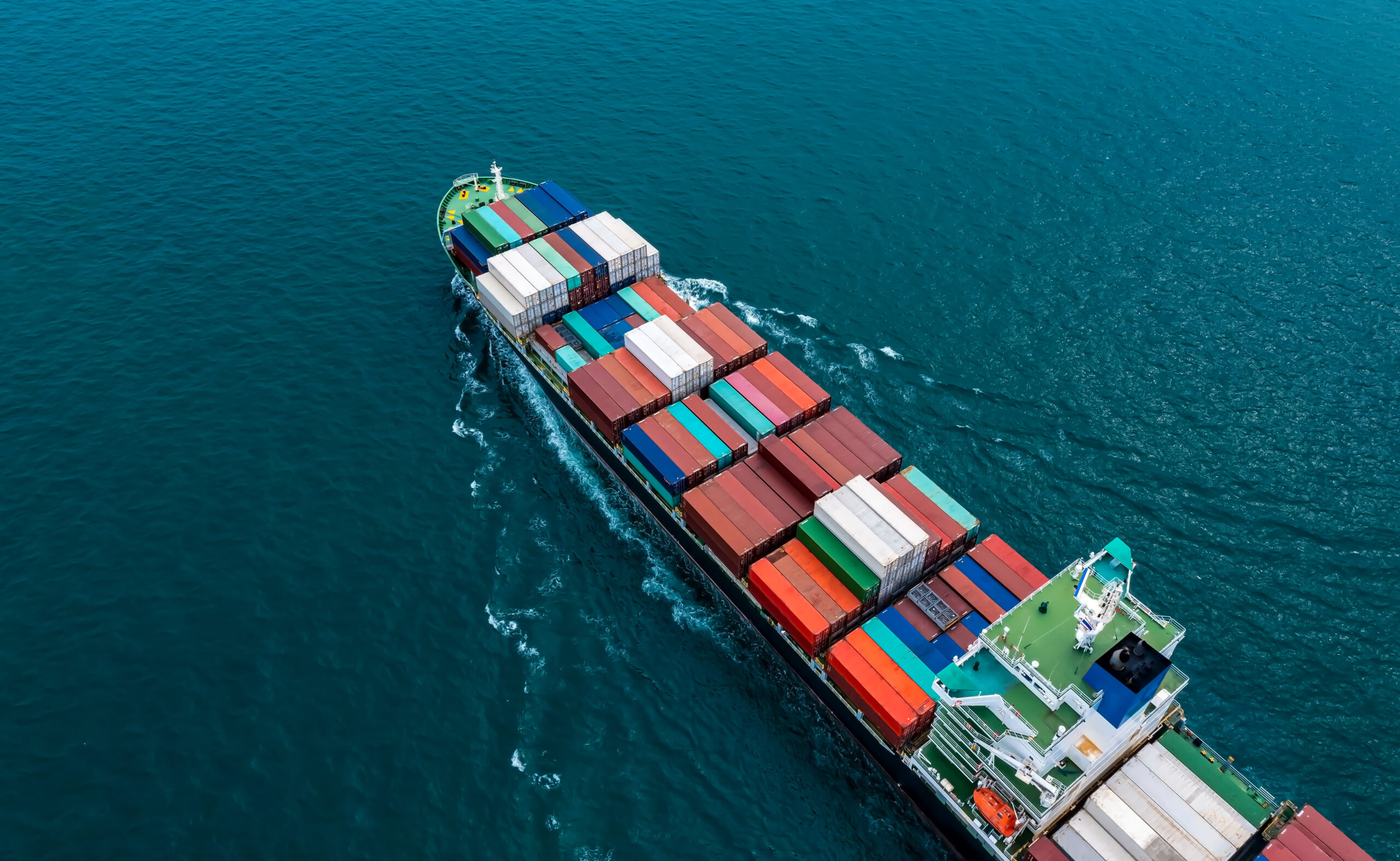
To address disruption in the global energy flow resulting from the conflict with Iran, the White House is considering a temporary waiver of the Jones Act—the law requiring cargo moving between U.S. ports to be carried on U.S.-built vehicles. If this waiver goes into effect, it will have important implications for ocean shipping stakeholders.

To

On March 12, 2026, United States Trade Representative (“USTR”) Greer announced a new investigation under Section 301(b) of the Trade Act of 1974 relating to the “failure to impose and effectively enforce a ban on the importation of goods produced with forced labor are unreasonable or discriminatory and burden or restrict U.S. commerce.” According to

On Wednesday, March 11, 2026, United States Trade Representative (“USTR”) Greer announced a new investigation under Section 301(b) of the Trade Act of 1974 relating to “structural excess capacity and production in certain manufacturing sectors.” According to the Federal Register Notice, “[k]ey trading partners have developed production capacity untethered from the incentives of domestic

Several major ocean carriers have recently announced new Energy Fuel Surcharges (EFS) in response to sharply rising bunker fuel costs resulting from the latest geopolitical disruption in the Middle East.

Despite the sudden nature of the announcements, these surcharges will still need to comply with tariff and publishing requirements established by the U.S. Federal Maritime

On March 9, 2026, Senator Bill Cassidy and Congressman Jodey Arrington introduced a bicameral bill known at the Securing Accountability in Foreign Entries Act (“SAFE Act”). The SAFE Act would amend the Tariff Act of 1930 to require importers of record to maintain a meaningful U.S. nexus thereby curtailing long-standing U.S. customs practices relied

On Friday, March 5, 2026, twenty-four (24) states filed a complaint in the Court of International Trade (“CIT”) against the Trump Administration challenging the legality of the Section 122 duties imposed on February 20th after the U.S. Supreme Court ruled that the International Emergency Economic Powers Act does not permit the president to impose tariffs.

On March 4, 2026, following the February 20, 2026 decision by the Supreme Court invalidating IEEPA tariffs, the Court of International Trade ordered CBP to (a) liquidate “without regard to IEEPA duties” all unliquidated entries that were subject to IEEPA tariffs, and (b) reliquidate “without regard to IEEPA duties” any entries for which liquidation is not yet final.

On February 25, 2026, RealTruck, Inc., Laurmark Enterprises, Inc. (d/b/a “BAK Industries”), Undercover, Inc., Retrax Holdings, LLC, Truxedo, Inc., Extang Corporation, A.R.E. Accessories LLC, and Roll-N-Lock Corporation (“Petitioners”), filed a petition for the imposition of Antidumping Duties and Countervailing Duties on Imports of Truck Bed Covers from China.

SCOPE OF THE INVESTIGATION

The following describes