China

The Trump Administration has encountered further setbacks in its efforts to prevent Chinese company ByteDance Ltd. (“ByteDance”) from providing its popular social media app TikTok in the U.S.  For background:

  • On August 6, 2020, President Trump issued Executive Order 13942 (“EO 13942”) which: (i) determined that ByteDance’s ownership of TikTok threatened U.S. national security, and

President Trump issued an Executive Order (“E.O.”) on November 12, 2020 titled “Addressing the Threat from Securities Investments that Finance Communist Chinese Military Companies.”  The E.O., which will be published in the Federal Register on November 17, 2020 and will take effect on January 11, 2021 at 9:30 eastern standard time, designates thirty one (31)

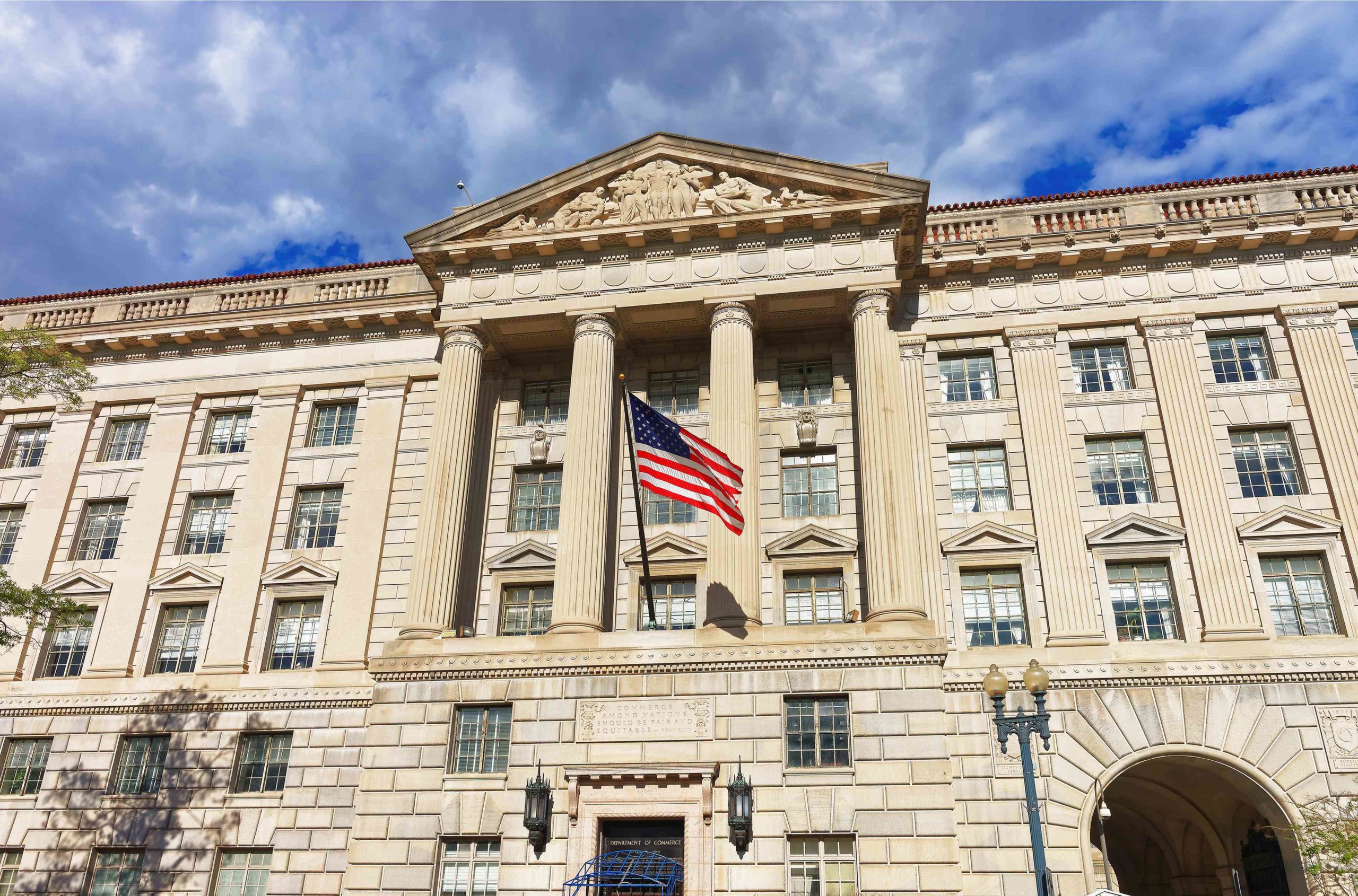
The U.S. Department of Commerce’s Bureau of Industry and Security (“BIS”) issued a final rule effective October 29, 2020 amending Section 742.4(b)(7) of the Export Administration Regulations (“EAR”) to revise the license review policy for items controlled for National Security reasons (“NS items”) destined for the People’s Republic of China (“China”), Venezuela, or the Russian

The U.S. International Trade Commission (“ITC”) found on October 20, 2020 that glass containers from China do not injure the U.S. industry, and thus made a negative determination in the final phase of the antidumping duty (“AD”) investigation.  The ITC’s negative AD determination follows its negative countervailing duty (“CVD”) determination that was published in the

On October 14, 2020, the U.S. Secretary of State, pursuant to section 5(a) of the Hong Kong Autonomy Act (“HKAA”), submitted a report to Congress identifying foreign persons who are “materially contributing to, have materially contributed to, or attempt to materially contribute to the failure of the People’s Republic of China (“PRC”) to meet its

A federal judge from the U.S. District Court for the District of Columbia granted TikTok’s motion for preliminary injunction, resulting in a nationwide temporary suspension of an order from the U.S. Department of Commerce (“Commerce”) for Apple and Google to remove TikTok from its U.S. app stores.  Last week, Chinese social media app WeChat was

China-based smartphone apps, TikTok and WeChat, have each received a reprieve from the respective bans, which were originally ordered by President Trump on August 6, 2020 against both parties and were scheduled to take effect on September 21, 2020.  Please see our previous post covering the Executive Orders.  Pursuant to the Executive Orders banning the

On September 10, 2020, HMTX Industries LLC, along with Halstead New England Corporation, and Metroflor Corporation (importers of vinyl tile) filed a complaint (Ct. No. 20-00177) at the Court of International Trade (CIT) challenging both the substantive and procedural processes followed by the United States Trade Representative (USTR) when instituting Section 301 Tariffs on imports

The Office of the U.S. Trade Representative (“USTR”) issued two (2) new product exclusions pertaining to the Section 301 List 3 tariffs.  The current tariff is 25%.  The new exclusions include 2 specific product descriptions that together cover 2 separate exclusion requests.  According to the USTR, the product exclusions apply retroactively from September 24, 2018

The U.S. Department of Commerce’s Bureau of Industry and Security (“BIS”) has announced that it is further restricting access by Huawei Technologies Co. Ltd. and its designated non-U.S. affiliates (“Huawei”) to U.S.-produced technology and software.  As we have previously discussed, BIS first added Huawei to its Entity List on May 15, 2019 and has continued to impose additional export restrictions on Huawei under the U.S. Export Administration Regulations (“EAR”).  Most recently, BIS published a Federal Register notice to implement the following enhancements.  Although BIS published this Federal Register notice on August 20, 2020, the following rule changes took effect retroactively as of August 17, 2020: