
 On February 28, 2020, the Court of Appeals for the Federal Circuit affirmed the Court of International Trade’s decision that found the institution of Section 232 tariffs on steel and aluminum were not an unconstitutional delegation of authority by Congress to the President under Supreme Court precedent. This appeal addressed the basic steel and aluminum
USTR Announces Increase in Section 301 Tariffs for New Airplanes and Aircraft, Minor Changes for Other Goods
 On February 14, 2020, the Office of the U.S. Trade Representative (USTR) announced that it had completed its review of the current Section 301 tariffs due to the ongoing Large Civil Aircraft dispute with the European Union (EU). As previously reported, various European goods (including aircraft, certain textiles and wearing apparel, hardware, cheeses, and other
Section 232 Derivative Product Duties – Time Sensitive Litigation Update
 Why importers of steel and aluminum derivative products should consider challenging the administration’s imposition of additional Section 232 duties:
- The processes followed by the administration in implementing additional Section 232 tariffs on steel and aluminum products not originally included in the Section 232 duties are procedurally flawed.
- The institution of additional duties on products not
Commerce Initiates AD Investigation of Imports of Difluoromethane (R-32) from China
 On February 13, 2020, the Department of Commerce (“Commerce”) announced the initiation of an antidumping duty (“AD”) investigation of imports of difluoromethane, a chemical compound known also as R-32, from the People’s Republic of China. The petitioner in this case is Arkema, Inc., which estimated that 2018 imports of R-32 from China were valued at
China to Reduce Tariffs on $75 Billion of U.S. Goods
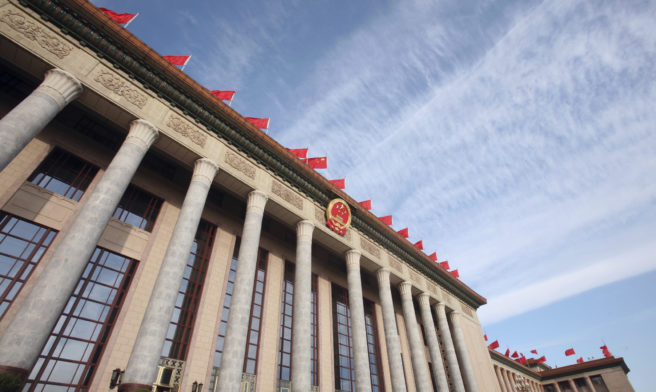 China’s Ministry of Finance announced today that China will reduce tariffs by up to fifty percent on certain U.S. imports as the two countries move forward to implement “Phase One” of the trade deal signed on January 15, 2020. China’s tariff cuts will affect U.S. goods worth approximately $75 billion and will reduce duty rates
USTR Announces New Section 301 Product Exclusions
On January 31, 2020, the United States Trade Representative (“USTR”) issued another round of product exclusions pertaining to the 25% Section 301 List 3 Tariffs. The new list of exclusions includes 52 specifically crafted product descriptions that cover 117 separate exclusion requests. To view the full list of excluded products, click here. According to
Opportunity to Request Administrative Review
 On February 3, 2020, Commerce announced in the Federal Register the opportunity to request an annual administrative review for products that are currently subject to antidumping and countervailing duties. As part of this annual review process, Commerce intends to select respondents based on U.S. Customs and Border Patrol (CBP) data for U.S. imports during the

January 2020 Trade Law Update
In Husch Blackwell’s January 2020 Trade Law Newsletter, you’ll learn about the following updates in international trade and supply chain law.
- President Trump Signs USMCA
- Expansion of Section 232 Steel and Aluminum tariffs to cover certain derivative articles
- U.S. and China Sign Phase One Trade Agreement
- U.S., EU, and Japan Trade Ministers Issue Joint
Trump Administration Announces 25% Tariffs on Finished Steel Products and 10% Tariffs on Aluminum Products
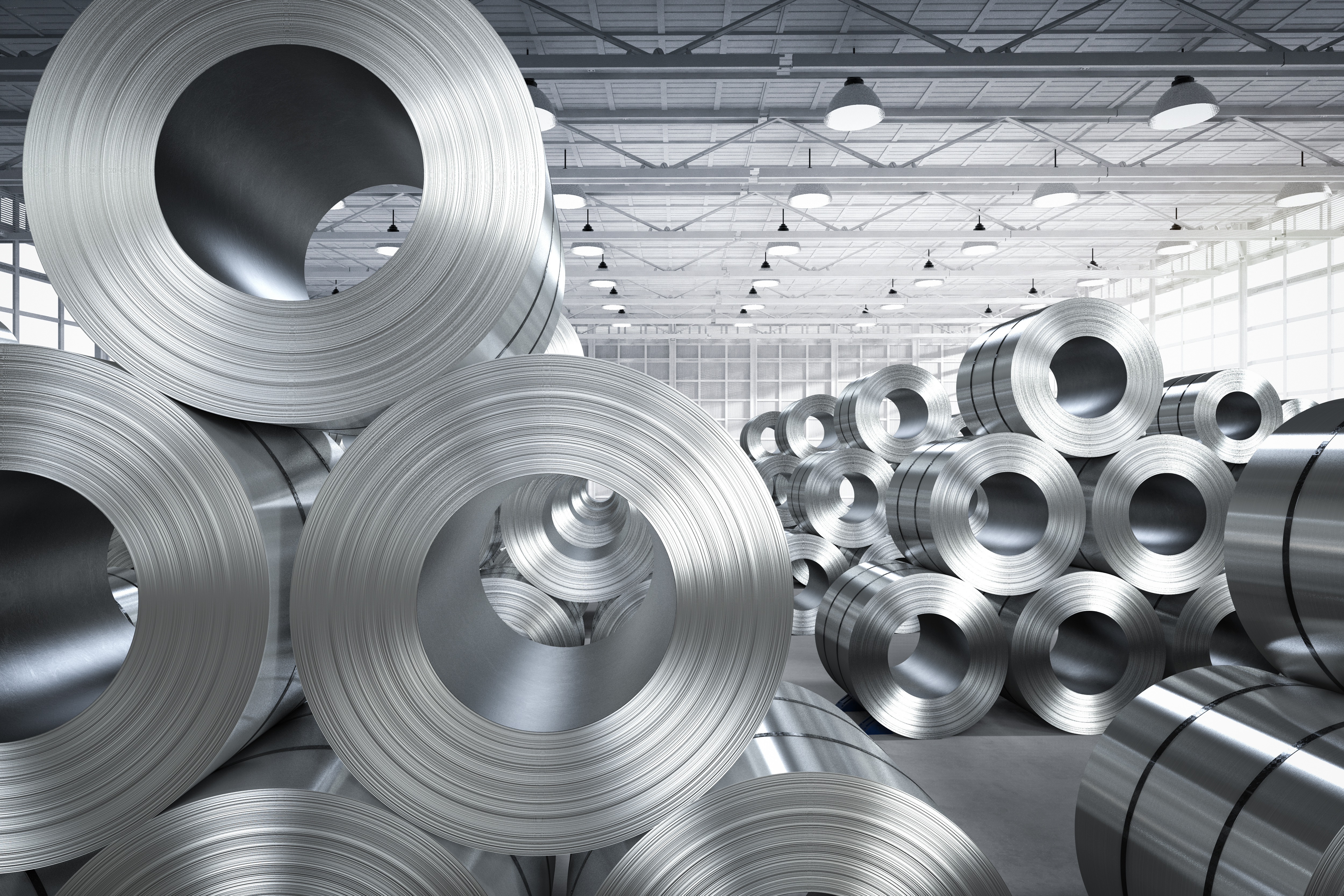
In a surprise announcement after hours on Friday January 24, 2020, the White House announced that it plans to impose an additional 25 percent tariff on some steel articles and 10 percent on some aluminum articles starting February 8, 2020 under Section 232 of the Trade Expansion Act of 1962. A proclamation issued by the
U.S. and China Sign Phase One Trade Agreement, Signaling Pause in Escalation of Trade War
At a White House ceremony on Wednesday, January 15, 2020, U.S. President Donald Trump and Chinese Vice Premier Liu He met to sign Phase 1 of the Trade Deal that has been negotiated since May 2019 in order to end any further escalation in the trade war between the two countries. The agreement consists of