International Trade Remedies

On November 20, 2025, the White House issued an Executive Order marking a significant shift in U.S. trade policy toward Brazil. This action updates the measures originally imposed under Executive Order 14323 from July 30, 2025, which had established a 40% additional ad valorem duty on certain Brazilian goods under the International Emergency Economic Powers Act (IEEPA) due to concerns over Brazil’s policies and practices impacting U.S. national security and foreign policy.
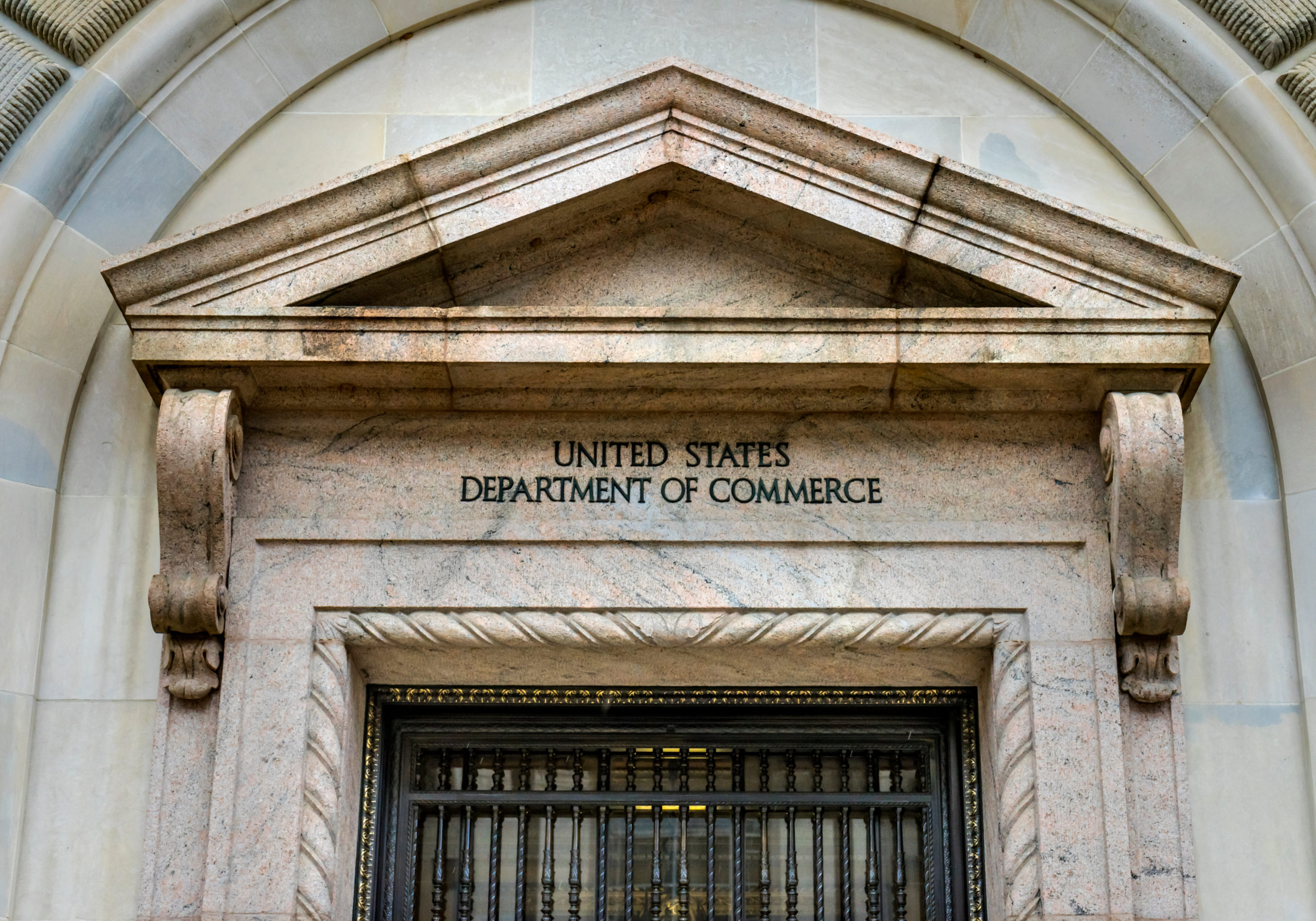
The U.S. Commerce Department’s Bureau of Industry and Security (BIS) has issued a final rule which will suspend BIS’s recently enacted Affiliates Rule effective as of November 10, 2025 and continuing through November 9, 2026.  The Trump Administration committed to make this change as part of its Deal on Economic and Trade Relations with China

On September 17, 2025, the Bureau of Industry and Security (“BIS”) announced via an interim final rule that it is now accepting requests to include additional auto parts under Section 232 tariffs. According to the notice, the initial submission window for the requests will open on October 1, 2025, and will remain open for 14 days. Following this period, BIS will conduct a 60-day review to evaluate all inclusion requests.

On August 26, 2025, U.S. Customs and Border Protection (CBP) issued guidance via CSMS #66027027 regarding the implementation of additional tariffs on certain imports from India, effective August 27, 2025. Under these new measures, an additional 25% tariff will be imposed on specified Indian-origin goods. When combined with the existing 25% reciprocal tariff already applied to Indian imports, the total duty rate on affected products will rise to 50%.

The Forced Labor Enforcement Task Force (FLETF) recently announced significant updates to the enforcement of the Uyghur Forced Labor Prevention Act (UFLPA). FLETF, led by the Department of Homeland Security, has expanded its efforts to keep goods produced with forced labor—particularly from China’s Xinjiang Uyghur Autonomous Region—out of the U.S. market. UFLPA was enacted in

On June 30, 2025, the U.S. Department of Commerce published in the Federal Register a notice to modify the Harmonized Tariff Schedule of the United States (HTSUS) to conform with General Terms of the United States of America-United Kingdom Economic Prosperity Deal (Executive Order 14309) with respect to automobiles, automobile parts, civil aircraft

Updated CSMS Guidance on Steel and Derivatives

One June 24, 2025 CBP published updated guidance via a CSMS Message on Section 232 tariffs, correcting the number for preexisting HTSUS subheading 9903.81.98. The change effects steel or iron derivative items imported from the United Kingdom.

Additionally, the CSMS Message added certain steel imports in Chapters 84

The Ninth Circuit Court of Appeals in Island Industries v. Sigma Corp., upheld a lower court jury determination that an importer of welded pipe fittings is liable for $8 million in unpaid antidumping duties under the False Claims Act (“FCA”). The penalty under the FCA is trebled totaling the liability to over $32 million for importer Sigma Corp. 

On April 12, 2025, President Trump issued an Executive Order (“EO”) Clarification of Exceptions Under Executive Order 14257 of April 2, 2025, as Amended, which expanded the list of Harmonized Tariff Schedule of the United States (“HTSUS”) codes exempted from the reciprocal tariffs that were announced on April 2, 2025. The exemptions apply retroactively to goods

On September 5, 2024 Steel Dynamics, Inc. (“SDI”), Nucor Corporation (“Nucor”), United States Steel Corporation (“U. S. Steel”), Wheeling-Nippon Steel, Inc. (“Wheeling-Nippon”), and the United Steel, Paper and Forestry, Rubber, Manufacturing, Energy, Allied Industrial and Service Workers International Union, AFL-CIO, CLC (the “USW”) (collectively “Petitioners”)[1], filed a petition for the imposition of antidumping