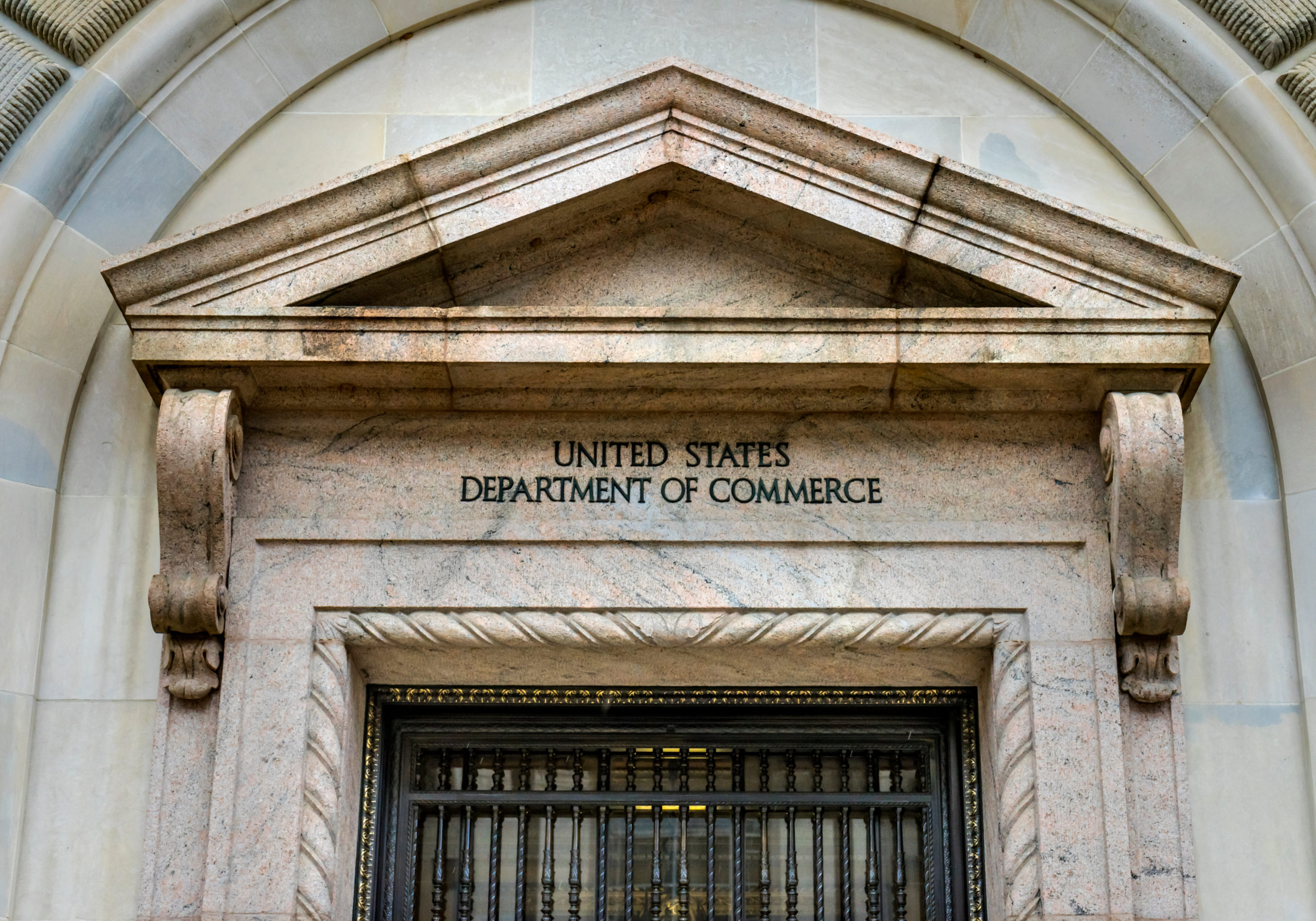
U.S. Customs and Border Protection (“CBP”) has issued new guidance addressing technical corrections to recently imposed Section 232 duties on imports of aluminum, steel and copper. Following a Notice of Technical Corrections issued by the Department of Commerce on April 29, 2026, CBP, on May 6, 2026, released CSMS #68554727 clarifying the application of these

First 100 Days of Trade
CBP Issues Entry Filing and Reporting Guidance on Section 232 Duties for USMCA‑Qualifying Medium and Heavy‑Duty Vehicles
On May 6, 2026, U.S. Customs and Border Protection (“CBP”) released new guidance via CSMS #68559236 regarding the application of 25% Section 232 duties for Medium and Heavy-Duty Vehicles (“MHDVs”) that qualify for preferential treatment under the United States-Mexico-Canada Agreement (“USMCA”). Pursuant to Presidential Proclamation 10984, the Secretary of Commerce may approve eligible MHDVs to…
New Litigation Challenging Legality of Section 122 Duties
On Friday, March 5, 2026, twenty-four (24) states filed a complaint in the Court of International Trade (“CIT”) against the Trump Administration challenging the legality of the Section 122 duties imposed on February 20th after the U.S. Supreme Court ruled that the International Emergency Economic Powers Act does not permit the president to impose tariffs. For additional information about the Supreme Court’s decision and the Section 122 duties, see our prior blog posts here and here.
The US and UK Reach Agreement in Principle on Pharmaceuticals, Pharmaceutical Ingredients, and Medical Technology
US Enters Trade Deal With Malaysia and Cambodia
On October 26, 2025, President Trump announced trade deals with Cambodia and Malaysia. Under both deals, the US will maintain a 19% ad valorem rate on goods originating from Cambodia and Malaysia. However, certain products originating from Cambodia and Malaysia will be exempt from the 19% ad valorem rate as provided for in Schedule 2 to the Cambodia agreement and Schedule 2 to the Malaysia agreement.
Week of October 19, 2025, Trade News
U.S. Launches Section 301 Investigation into China’s Phase One Trade Agreement Compliance
On October 24, 2025, U.S. Trade Representative Jamieson Greer announced the launch of a Section 301 investigation into China’s implementation of its commitments under the phase one trade agreement, which was singed on January 15, 2020, in response to the U.S. imposing up to 25% in Section 301 duties.
BIS Adds 29 Entities and Addresses in China, Turkey, and the UAE to Entity List
On October 8, 2025, the U.S. Department of Commerce’s Bureau of Industry and Security (“BIS”) published a final rule adding 29 total entries to the Entity List, including 26 entities and three addresses. The entities and addresses are located in China (19 entries), Turkey (9 entries), and the United Arab Emirates (“UAE”) (1 entry) and…
BIS Adds 50% Ownership Rule to Entity List and Military End User List
The U.S. Department of Commerce’s Bureau of Industry and Security (“BIS”) released an interim final rule that automatically applies Entity List and Military End User (“MEU”) List restrictions to any entity that is 50% or more owned by one or more listed entities, MEUs, or other sanctioned parties. This IFR will be known as the…
Section 232 Tariffs on Timber, Lumber, and Certain Wood Products Take Effect on October 14
President Trump has issued a proclamation under Section 232 of the Trade Expansion Act of 1962 (“Section 232”) that sets October 14, 2025 as the effective date for Section 232 tariffs on softwood timber and lumber, upholstered wooden furniture, kitchen cabinets and vanities.
Imports of softwood timber and lumber will face a 10% ad…
U.S. Court of Appeals for the Federal Circuit Upholds Section 301 Lists 3 and 4A Tariffs
On September 25, 2025, the U.S. Court of Appeals for the Federal Circuit (“CAFC”) issued its decision upholding tariffs imposed during President Trump’s first administration pursuant to Section 301 on goods imported from China. Specifically, the CAFC held that Section 301 Lists 3 and 4A tariffs were appropriate and a valid use of the government’s…