
On August 10, 2020, U.S. Customs and Border Protection (CBP) issued a notice announcing that goods produced in Hong Kong and exported to the U.S. must now be marked as a product of China (e.g., Made in China), which we covered in a previous post here. The marking changes were originally set
USTR Requests Comments on China’s WTO Compliance
 The Office of the U.S. Trade Representative (USTR) requests comments to assist in the preparation of its annual report to Congress on China’s compliance with commitments made in connection to its accession to the World Trade Organization (WTO) in 2001. The deadline for the submission of comments is September 16, 2020. The interagency Trade Policy
Commerce Proposes Modifications to AD/CVD Laws to Strengthen Enforcement
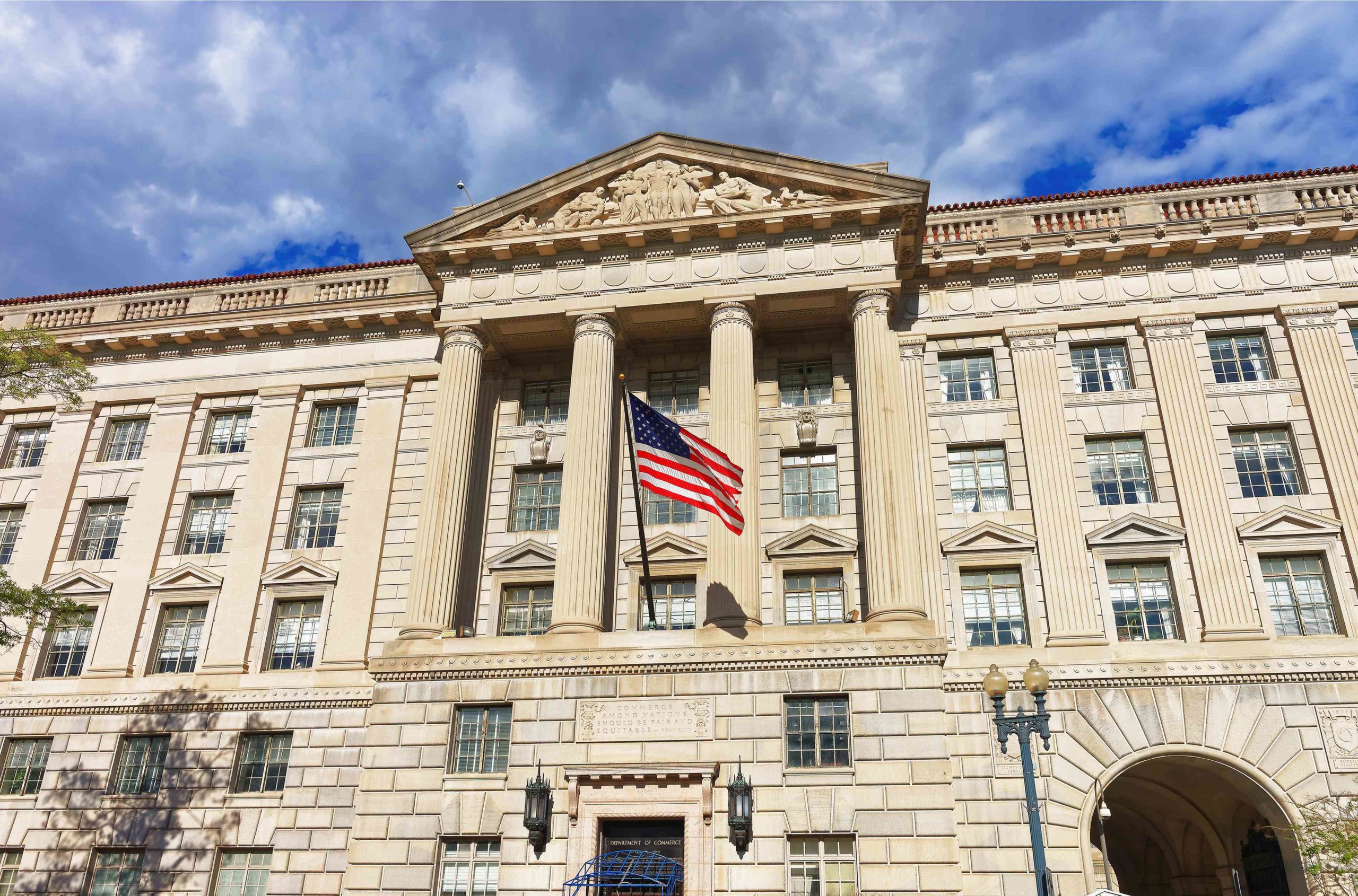 The U.S. Department of Commerce (“Commerce”) announced in a Federal Register notice that it is proposing significant changes to its antidumping and countervailing duty regulations. The last time such sweeping changes were undertaken were in 1997 after the WTO went into effect. Commerce is requesting comments on the proposed changes by September 14, 2020.
Among the most significant changes outlined in Commerce’s proposal are the changes to its conduct of scope proceedings, which determine whether a certain product is subject to the scope of an AD or CVD order; and to circumvention proceedings where importers are alleged to be avoiding duties, often by using components from the subject country to assemble the product in another country not subject to the relevant AD/CVD order. Currently, both types of proceedings are governed by the same set of regulations in 19 C.F.R. §351.225. Commerce’s proposal would separate the two proceedings into unique regulatory frameworks.
Update: Goods from Hong Kong and China Tariffs
On August 10, 2020 Customs issued a notice announcing that goods produced in Hong Kong and exported to the U.S. must now be marked as a product of China (e.g., Made in China). To see our previous post on the issue, click here. The marking changes are set to take effect on September 25,
USTR Revises List of EU Imports Subject to Section 301 Tariffs
 The Office of the U.S. Trade Representative (USTR) issued an updated list of goods from the European Union (EU) subject to Section 301 tariffs as part of the Large Civil Aircraft dispute. In October 2019, the World Trade Organization ruled in favor of the U.S. and Boeing in the dispute against the EU and Airbus,
BIS Announces Virtual 2020 Export Controls Conference
 The Bureau of Industry and Security (BIS) will be holding a virtual conference on export control policy on Wednesday, September 2, 2020, after its annual in-person conference originally due to be held this summer was cancelled due to the coronavirus. The planned agenda for the BIS conference includes sessions on:
- Executive Order 13873: Securing the
CBP Issues Marking Guidance for Goods Produced in Hong Kong
 On August 10, 2020, U.S. Customs & Border Protection (CBP) issued a notice that goods produced in Hong Kong will need to be marked as a product of China starting on September 25, 2020. The marking changes are the result of the July 14, 2020 Executive Order on Hong Kong Normalization that ended Hong Kong’s special trade status.
Canada Announces Retaliatory Tariffs on U.S. Imports
 On August 7, 2020, Canada’s Deputy Prime Minister Chrystia Freeland announced that Canada will be imposing retaliatory tariffs on $2.7 billion worth of U.S. imports in response to President Trump’s decision to re-implement a 10% ad valorem tariff on non-alloyed unwrought aluminum from Canada (HTS subheading 7601.10). During a news conference Freeland stated, “We will
Customs Announces Extension of Deadline to File Post Summary Correction
 Customs has posted CSMS #43528998 (July 31, 2020) reminding the trade community that as per the modification to the Post Summary Correction (“PSC”) procedure announced in the Federal Register on August 14, 2019 (84 FR 40430), the deadline for filing a PSC has been extended in cases where an importer requests and is granted an
U.S. Moves to Ban TikTok and WeChat Apps Amid U.S.-China Tensions
 On August 6, 2020, the White House issued two (2) Executive Orders (“EO”) banning the popular China-based social media app TikTok and the messaging and electronic payments app WeChat. Both orders are scheduled to take effect in 45 days (approximately September 21, 2020). While a U.S. ban on TikTok, owned by Beijing-based ByteDance Ltd., had been anticipated, especially after India banned the app earlier this year, the EO on Tencent Holding Ltd.’s (“Tencent”) WeChat was not anticipated and has significant potential business ramifications.