BIS

On March 30, 2022, the U.S. Department of Commerce’s Bureau of Industry and Security (“BIS”) modified and expanded a list of aircraft that have flown into Russia in apparent violation of the Export Administration Regulations (“EAR”).  We more thoroughly discussed the implications of this list – which was first published on March 18, 2022 – in our blog post here.  The updated list adds 73 additional Boeing-manufactured aircraft and modifies tail and/or serial number information for 13 aircraft previously listed on March 18, 2022.  The full list of owners/operators include Aeroflot, AirBridge Cargo, Aviastar-TU, Alrosa, Atran, Azur Air, Nordstar, Nordwind, Pegas Fly, Pobeda, Rossiya, Royal Flight, S7 Airlines, and Utair (FC Chelsea owner Roman Abramovich’s private Gulfstream jet is also on the list).

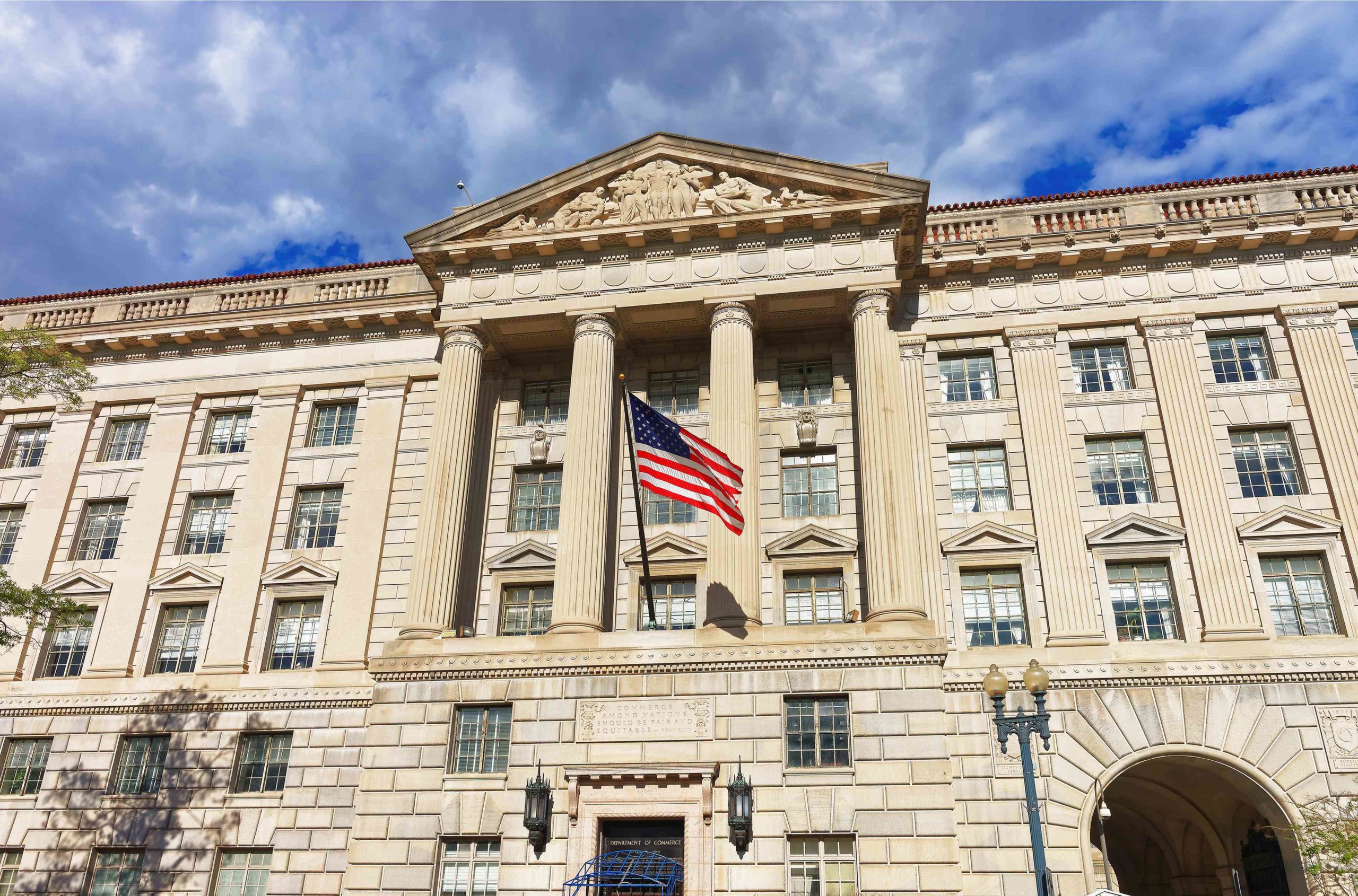
On Friday, March 11, 2022, the White House issued Executive Order (“EO”) 14068 announcing more sanctions and export controls against the Russian Federation (“Russia”).  Concurrent with that announcement, the U.S. Commerce Department’s Bureau of Industry and Security (“BIS”) released new export controls restricting the flow of “luxury goods” to Russia, Belarus, and Russian/Belarusian “oligarchs and malign actors” while the U.S. Treasury Department’s Office of Foreign Assets Control (“OFAC”) issued dozens of Specially Designated Nationals and Blocked Persons List (“SDN List”) designations and published four (4) new general licenses.


On February 24, 2022, the U.S. imposed sweeping sanctions and export controls actions in response to the Russian Federation’s (“Russia”) “war of choice” against Ukraine.  (Husch Blackwell summarized the February 24, 2022 actions in a Client Alert published here, as well as more limited actions on February 21-22 here and here.)  The past ten (10) days have featured a flurry  of new sanctions and rapidly evolving regulations and executive orders imposed by the U.S. President, the Department of State, the Department of Commerce, and the Department of the Treasury addressing the ongoing Russian invasion of Ukraine.  Below are the latest updates in chronological order.

In an October 21, 2021 interim final rule (“IFR”), the Bureau of Industry and Security (“BIS”) published long-awaited “cybersecurity items” controls in Categories 4 (Computers) and 5, Pt. 1 (Telecommunications) of the Commerce Control List (“CCL”) and followed the IFR up on November 12, 2021 with relevant FAQs.  The IFR will impose new export controls on certain “cybersecurity items” that relate to “intrusion software” or “IP network communications surveillance.” The IFR, originally scheduled to become effective on January 19, 2022, will now become effective on March 7, 2022.  In the January 12, 2022 notice announcing the delay, BIS stated it “may consider some modifications for the final rule” and indicated it would “provide the public with additional guidance.”  Below we describe the IFR as it currently stands.  We will update readers when BIS implements any additional edits to the IFR and/or updates its guidance.

The U.S. Department of Commerce’s Bureau of Industry and Security (BIS) recently issued a final rule amending the U.S. Export Administration Regulations (EAR) to add twenty-seven (27) companies and individuals to the BIS Entity List effective November 26, 2021. These companies and researchers are alleged to have ties to China’s military quantum computing efforts as well as Pakistani nuclear and missile proliferation. The new companies added include:

As previously reported, in February 2021, President Biden issued Executive Order 14017 (“EO 14017”), which instructed various government agencies to review the current supply chain risks for critical sectors and subsectors of the Information and Communications Technology (“ICT”) industrial base and provide the executive branch with reports of identified risks. In order to comply with EO 14017, the Bureau of Industry and Security (“BIS”) recently announced that it will host a virtual forum soliciting recommendations from the public on how to strengthen the resiliency of the ICT industrial base. The ICT industrial base consists of:

On October 5, 2021, the U.S. Department of Commerce’s Bureau of Industry and Security (“BIS”) published a final rule in the Federal Register that places new controls on software and technology that can potentially be used for manufacturing biological weapons. The rule comes after a decision in May 2021 by the forty-three (43) participant countries

The merging of Hong Kong with China with respect to Hong Kong’s treatment under the Export Administration Regulations (“EAR”) is now reflected in the Department of Commerce’s Bureau of Industry and Security’s Hong Kong recordkeeping guidance.  On February 19, 2021, BIS updated its Hong Kong recordkeeping FAQs to make that guidance consistent with the final rule BIS issued on December 23, 2020 implementing Executive Order 13936 (the “E.O.”).  The E.O. was signed in the wake of U.S. objections to Chinese government national security legislation imposed on Hong Kong in 2020, which outlaws any act of “secession,” “terrorism,” or “collusion” with a foreign power.

The U.S. Department of Commerce’s Bureau of Industry and Security (“BIS”) recently issued a final rule, effective November 18, 2020, which revises certain provisions of the Export Administration Regulations (“EAR”) to implement enforcement provisions pursuant to the Export Control Reform Act of 2018 (“ECRA”), which expanded the export control authorities available to the Secretary of Commerce.  BIS also amended the EAR with respect to the issuance of licenses and denial orders and the payment of civil penalties, not directly related to implementation of ECRA.

On May 15, 2020, the U.S. Department of Commerce’s Bureau of Industry and Security (“BIS”) announced two new rules changes directed at Chinese telecommunications giant Huawei Technologies Co., Ltd. (“Huawei”).  As we have previously covered, BIS has named Huawei and 114 of its affiliate companies to its Entity List under the U.S. Export Administration