IEEPA

On March 12, 2026, U.S. Customs and Border Protection (“CBP”) filed a declaration with the Court of International Trade providing an update on the portal to be used for CBP to issue International Emergency Economic Powers Act (“IEEPA”) tariff refunds. According to the declaration, there will be a claim portal for users to interface with

On Friday, March 5, 2026, twenty-four (24) states filed a complaint in the Court of International Trade (“CIT”) against the Trump Administration challenging the legality of the Section 122 duties imposed on February 20th after the U.S. Supreme Court ruled that the International Emergency Economic Powers Act does not permit the president to impose tariffs. For additional information about the Supreme Court’s decision and the Section 122 duties, see our prior blog posts here and here.

On, February 20, 2026, the U.S. Supreme Court issued its opinion in Learning Resources v. Trump, which challenged the President’s imposition of tariffs under the International Emergency Eco­nomic Powers Act (“IEEPA”). The Court ruled 6-3 that the IEEPA statute, which permits the President “to regulate . . . importation” does not confer any tariff-setting

On February 6, 2026, President Trump signed an executive order, Addressing Threats to the United States by the Government of Iran, which authorizes the imposition of tariffs on goods imported from any country that “directly or indirectly purchases, imports, or otherwise acquires goods or services from Iran.” The order is effective at 12:01 a.m.

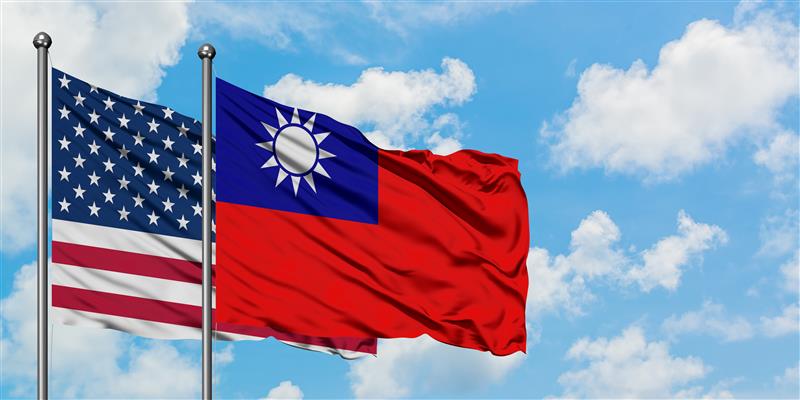
On January 15, 2026, the U.S. Department of Commerce announced that the United States and Taiwan reached a trade agreement. As part of the deal, Taiwanese semiconductor and technology companies will invest at least $250 billion to expand production capacity within the United States, with the Taiwanese government providing $250 billion in credit guarantees to

The U.S. Court of International Trade (CIT or court), on December 23, 2025, issued Administrative Order 25-02 staying all recently filed cases challenging tariffs imposed under the International Emergency Economic Powers Act (IEEPA) by the Trump Administration. 

In particular, the order signed by Chief Judge Mark A. Barnett, directs that all currently unassigned cases and

On November 20, 2025, the White House issued an Executive Order marking a significant shift in U.S. trade policy toward Brazil. This action updates the measures originally imposed under Executive Order 14323 from July 30, 2025, which had established a 40% additional ad valorem duty on certain Brazilian goods under the International Emergency Economic Powers Act (IEEPA) due to concerns over Brazil’s policies and practices impacting U.S. national security and foreign policy.