Japan

On Wednesday, March 11, 2026, United States Trade Representative (“USTR”) Greer announced a new investigation under Section 301(b) of the Trade Act of 1974 relating to “structural excess capacity and production in certain manufacturing sectors.” According to the Federal Register Notice, “[k]ey trading partners have developed production capacity untethered from the incentives of domestic

On September 15, 2025, the U.S. Department of Commerce issued a Federal Register notice announcing that new tariff reductions on imports from Japan—including automobiles, auto parts, civil aircraft, and certain other goods—will take effect beginning September 16, 2025. These measures implement the U.S.-Japan trade agreement, which was finalized on July 22, 2025, and formalized by Executive Order 14345 signed on September 4, 2025. Please see our previous post here for more details on the U.S.-Japan deal.

On September 4, 2025, President Trump, using his authority under the International Emergency Economic Powers Act (“IEEPA”), issued an executive order (“EO”) titled, Implementing The United States–Japan Agreement, to implement the trade agreement with Japan on July 22, 2025. The EO establishes a15% tariff on the majority of Japanese imports, notably including automobiles and auto parts that have previously been central to U.S.–Japan trade tensions. Under the EO, all Japanese automobiles and auto components entering the United States will face a minimum 15% tariff, unless their current tariff rate is already at or above that level, in which case no additional duties will be imposed. The EO also provides for targeted exemptions for aerospace products, certain natural resources, and generic pharmaceuticals, which will be subject to zero tariffs. These tariffs are retroactively applied to goods imported for consumption from August 7, 2025, onward.

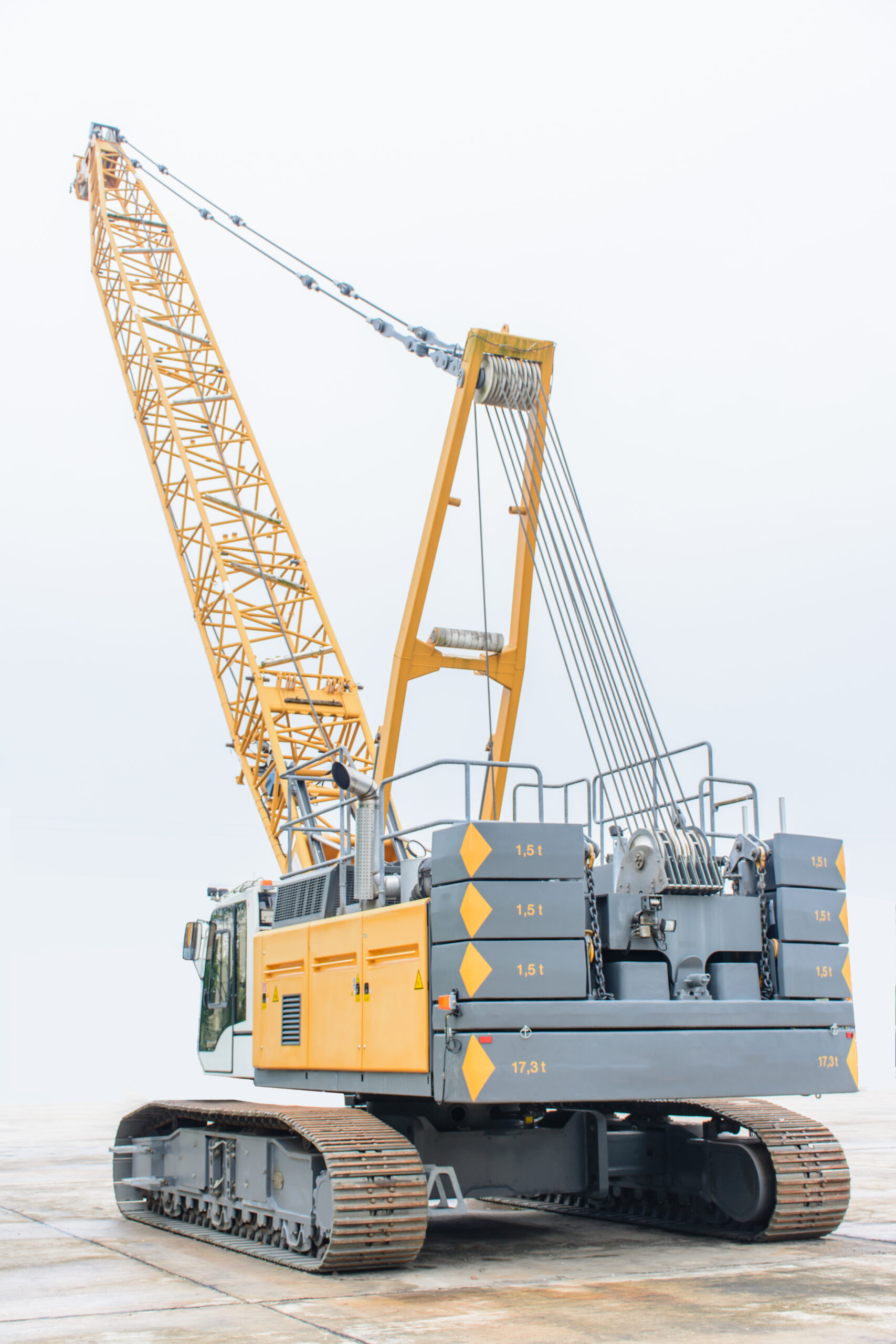
On April 10, 2025 The Manitowoc Company, Inc. (“Manitowoc” or “Petitioner”), filed a petition for the imposition of antidumping duties on U.S. imports of lattice-boom crawler cranes from Japan.  

SCOPE OF THE INVESTIGATION

Subject merchandise includes, but is not limited to, the following LBCC assemblies which can be imported in isolation or combined in

On April 8, 2025 U.S. Customs and Border Protection (“CBP”) issued a Cargo Systems Messaging Service (“CSMS”) Message # 64680374which sets forthadditional guidance on the reporting of reciprocal tariffs set to take effect on April 9, 2025. This guidance is an update to CSMS # 64649265 previously issued on April 4, 2025.

The President 

On February 14, 2024, the Cornerstone Chemical Company (the “Cornerstone” or “Petitioner”), filed a petition for the imposition of antidumping duties on imports from Germany, India, Japan, the Netherlands, Qatar, and Trinidad and Tobago and countervailing duties on imports of melamine from Germany, India, Qatar, and Trinidad and Tobago. 

SCOPE OF THE INVESTIGATION

The following

On September 28, 2023, Eastman Kodak Company (the “Petitioner”) filed a petition for the imposition of antidumping duties on Aluminum Lithographic Printing Plates from China and Japan, as well as the imposition of countervailing duties on Aluminum Lithographic Printing Plates from China.


SCOPE OF THE INVESTIGATION
The following language describes the imported merchandise that Petitioner