trade policy

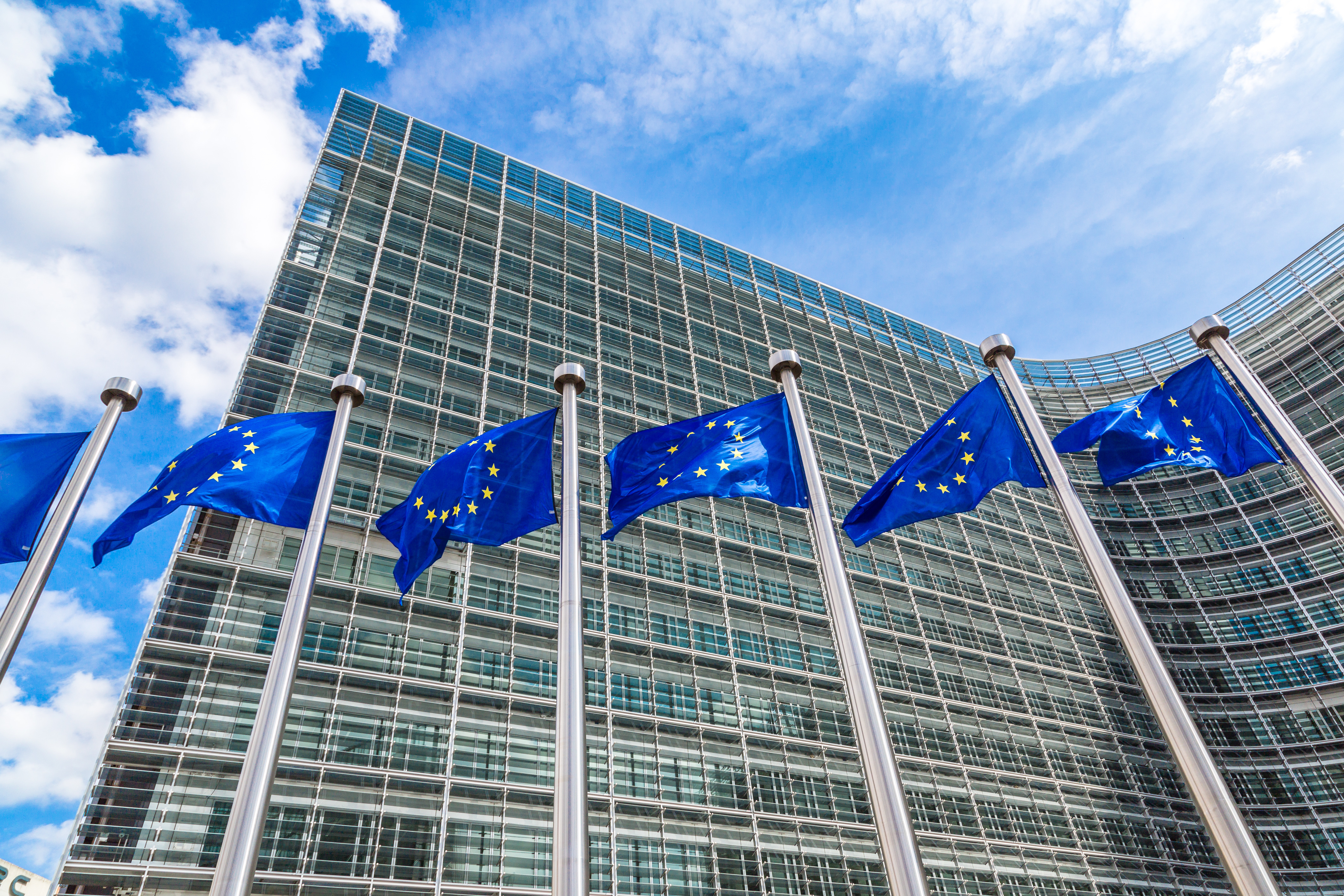
The European Union (EU) has imposed additional tariffs on approximately $4 billion worth of U.S. goods, after a World Trade Organization (WTO) decision last month authorized proportionate retaliation against the U.S. for its subsidies to Boeing.  According to the European Commission’s (EC) Implementing Regulation (“the Regulation”), published in the Official Journal of the European Union

In Husch Blackwell’s October 2020 Trade Law Newsletter, you’ll learn about the following updates in international trade and supply chain law:

  • U.S. and Brazil updated Agreement on Trade and Economic Cooperation (ATEC) to increase transparency and combat corruption
  • The WTO ruled that the EU can impose up to $4 billion in tariffs on U.S.

The United States and Brazil signed a new protocol on anti-corruption and trade facilitation as an update to the existing 2011 Agreement on Trade and Economic Cooperation (ATEC). According to the Office of the United States Trade Representative (USTR), the protocol adds three new annexes with provisions on customs procedures, transparent regulatory practices, and anti-corruption

The Office of the U.S. Trade Representative (“USTR”) announced on June 2, 2020 that it is initiating Section 301 investigations on Digital Services Taxes (“DSTs”) adopted or under consideration by Austria, Brazil, Czech Republic, the European Union (“EU”), India, Indonesia, Italy, Spain, Turkey, and the United Kingdom (“U.K.”). The Section 301 DST investigations could lead

White HouseThe Trump Administration issued its Executive Order on Regulatory Relief to Support Economic Recovery (the “EO”) on May 19, 2020 (Executive Order). The EO seeks to remedy the economic impact of the ongoing COVID-19 pandemic by removing certain administrative barriers and providing flexibility in the implementation and enforcement of other administrative provisions and

On April 24, 2020, U.S. Trade Representative Robert Lighthizer notified Congress that Mexico and Canada had taken the necessary additional measures to comply with their commitments under the United States–Mexico–Canada Agreement (USMCA).  The U.S. also notified the governments of Mexico and Canada that the U.S. had completed its domestic procedures to implement the USMCA.  Mexico

On Monday, March 30, 2020, trade ministers of the G20 countries issued a joint statement stating that any emergency measures taken in response to the coronavirus pandemic must be temporary and consistent with World Trade Organization (WTO) rules.  Several governments, including India and Germany, have already implemented export restrictions on medical supplies, and there are

On March 13, 2020, the Canadian Parliament approved the U.S.-Mexico-Canada Agreement (the “USMCA” in the United States or “CUSMA” in Canada), with Royal Assent, Canada’s equivalent to a U.S. presidential signature, following shortly thereafter.  As a result, Canada became the final of the three countries to approve the revised NAFTA free trade agreement.  Before implementing

The Commerce Department issued its final rule amending the countervailing duty regulations to address potential currency undervaluation.  This revision to Commerce’s regulations will take effect in 60 days and will apply to all new investigations and administrative reviews that begin on or after April 6, 2020.  The new rules would effectively clear the way for