
- Exempt U.K.-origin pharmaceuticals, pharmaceutical ingredients, and medical technology from Section 232 tariffs;
- Refrain from targeting U.K. pharmaceutical pricing practices in any future Section 301 investigation for the


On November 20, 2025, the American Trailer Manufacturers Coalition (“the Coalition”) (“Petitioners”), filed a petition for the imposition of antidumping and countervailing duties on U.S. imports into the United States of van-type trailers and subassemblies thereof imported from Canada, Mexico, and the People’s Republic of China (“China”).
Tariff Evasion Enforcement Continues To Be A Top Priority for DOJ and CBP
Recent developments highlight a coordinated, aggressive approach by the U.S. Government to crack down on schemes that undermine U.S. trade laws.
An Indonesian jewelry company, UBS Gold, its co-owner, and two employees were charged with conspiring to evade over $86 million in U.S. customs duties on jewelry imports. Two individuals were arrested and face up to 20 years in prison for wire fraud conspiracy, while UBS Gold faces fines up to $500,000 or twice the gain.

On November 20, 2025, the White House issued an Executive Order marking a significant shift in U.S. trade policy toward Brazil. This action updates the measures originally imposed under Executive Order 14323 from July 30, 2025, which had established a 40% additional ad valorem duty on certain Brazilian goods under the International Emergency Economic Powers Act (IEEPA) due to concerns over Brazil’s policies and practices impacting U.S. national security and foreign policy.
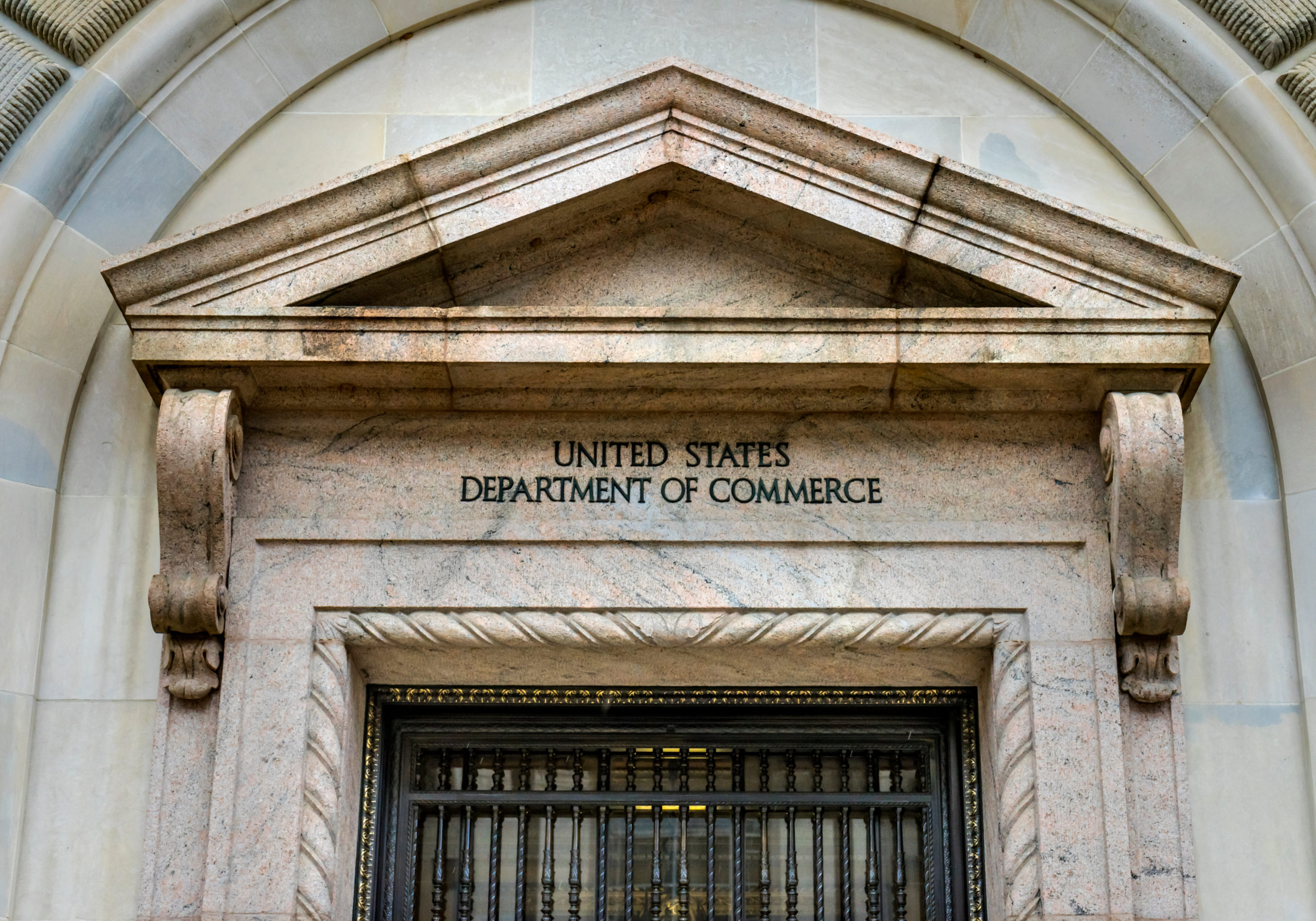
The U.S. Commerce Department’s Bureau of Industry and Security (BIS) has issued a final rule which will suspend BIS’s recently enacted Affiliates Rule effective as of November 10, 2025 and continuing through November 9, 2026. The Trump Administration committed to make this change as part of its Deal on Economic and Trade Relations with China

Following the U.S. and China trade meetings last week, President Trump issued an Executive Order reducing the rate of fentanyl-related tariffs on China from 20% to 10%, effective November 10, 2025. These tariffs were originally imposed under the International Emergency Economic Powers Act (“IEEPA”) on February 1 and March 3, 2025 to address China’s failure to alleviate the influx of synthetic opioids into the U.S.

On October 26, 2025, President Trump announced trade deals with Cambodia and Malaysia. Under both deals, the US will maintain a 19% ad valorem rate on goods originating from Cambodia and Malaysia. However, certain products originating from Cambodia and Malaysia will be exempt from the 19% ad valorem rate as provided for in Schedule 2 to the Cambodia agreement and Schedule 2 to the Malaysia agreement.
U.S. Launches Section 301 Investigation into China’s Phase One Trade Agreement Compliance
On October 24, 2025, U.S. Trade Representative Jamieson Greer announced the launch of a Section 301 investigation into China’s implementation of its commitments under the phase one trade agreement, which was singed on January 15, 2020, in response to the U.S. imposing up to 25% in Section 301 duties.

On October 22, 2025, the U.S. Department of the Treasury’s Office of Foreign Assets Control (“OFAC”) announced the immediate imposition of full blocking sanctions pursuant to Executive Order (“E.O.”) 14024 against Russian oil companies PJSC Lukoil Oil Company (“Lukoil”) and PJSC Rosneft Oil Company (“Rosneft”), along with over two dozen of their subsidiaries, for operating
USTR Imposes 100% Tariffs on Ship-to-Shore Cranes Under Section 301
Effective November 9, 2025, the United States will impose additional duties of 100% on certain ship-to-shore (“STS”) cranes and certain cargo handling equipment from China under Section 301 of the Trade Act of 1974. These tariffs follow the Office of the U.S. Trade Representative (“USTR”)’s original proposal in April 2025.