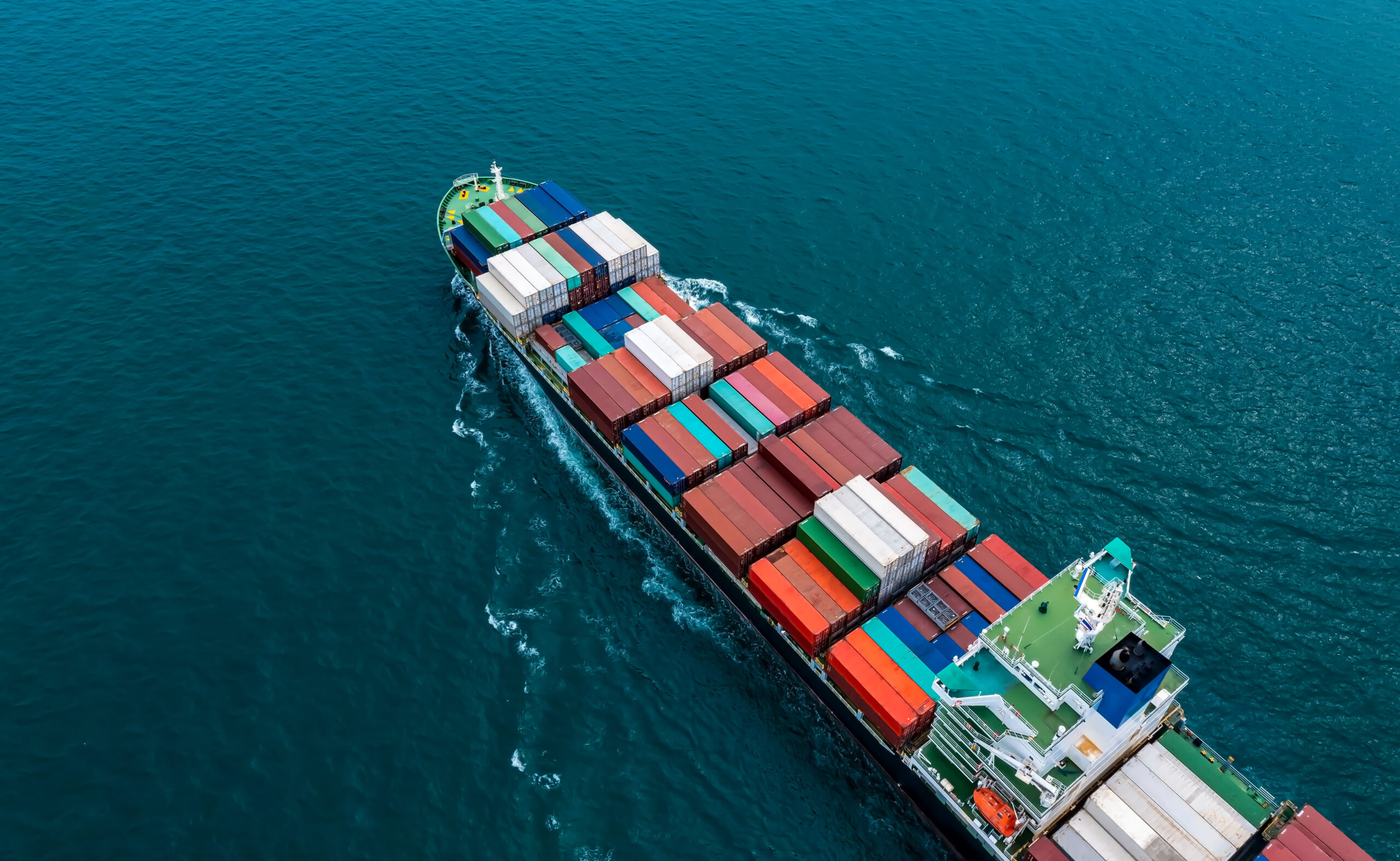
Force majeure contract provisions are potentially coming into play as Maersk, Hapag-Lloyd, and other ocean carriers divert ships around geopolitical trouble spots in the Red Sea.

Force majeure contract provisions are potentially coming into play as Maersk, Hapag-Lloyd, and other ocean carriers divert ships around geopolitical trouble spots in the Red Sea.
On December 26, 2023, the United States Trade Representative (“USTR”) announced that it will further extend 352 reinstated exclusions and 77 COVID-related exclusions to duties imposed on goods from China pursuant to Section 301 of the Trade Act of 1974 until May 31, 2024. USTR imposed Section 301 duties in four tranches or “lists,” and

Some commercial truck traffic could be moving again at one border bridge as late this afternoon. On April 14, 2022, Texas Governor Greg Abbott announced an agreement with Nuevo León Governor Samuel Alejandro García Sepúlveda for heightened inspections on Mexico’s side of the border at the Columbia bridge and the lifting of increased security measures

Less than two weeks after President Biden officially announced his agreement with the Port of Los Angeles to begin operating 24/7, the ports of LA and Long Beach have decided to implement a new fee for containers sitting at the ports for extended periods of time. Combined, the ports of LA and Long Beach handle
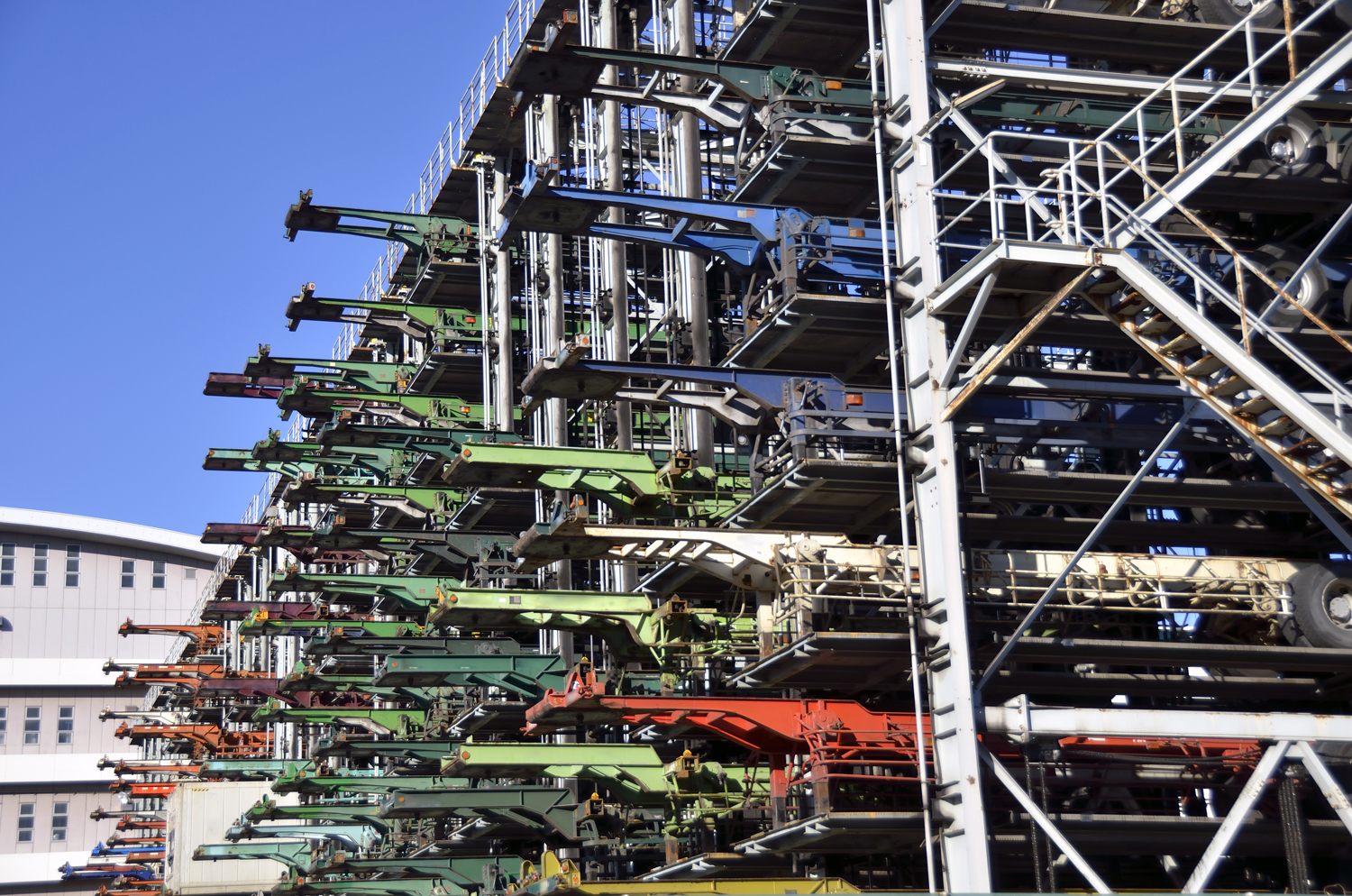
Don’t Forget the Chassis in the Chase for the Cure.
A new level of frustration has arisen from the ocean shipper ranks during this “post-COVID” period. Shipments from Asia to the U.S. are experiencing extreme difficulties in getting their cargo delivered, mainly due to the acute shortage of chassis to effect delivery of their containers on the U.S. side. The painful example of this is the BNSF current experience with Lot W. Aside from the impact to the importer in not being able to access its cargo and experiencing serious damage to its business, it is also likely to face serious demurrage charges from the ocean carrier. This is on top of having just experienced a quadrupling (or more) of the base FAK per container rates, and the ocean carrier choices to leave agricultural commodities sitting at West Coast U.S. ports, favoring the shipment of empty containers opting to position equipment for the lucrative Asia to U.S. trade.
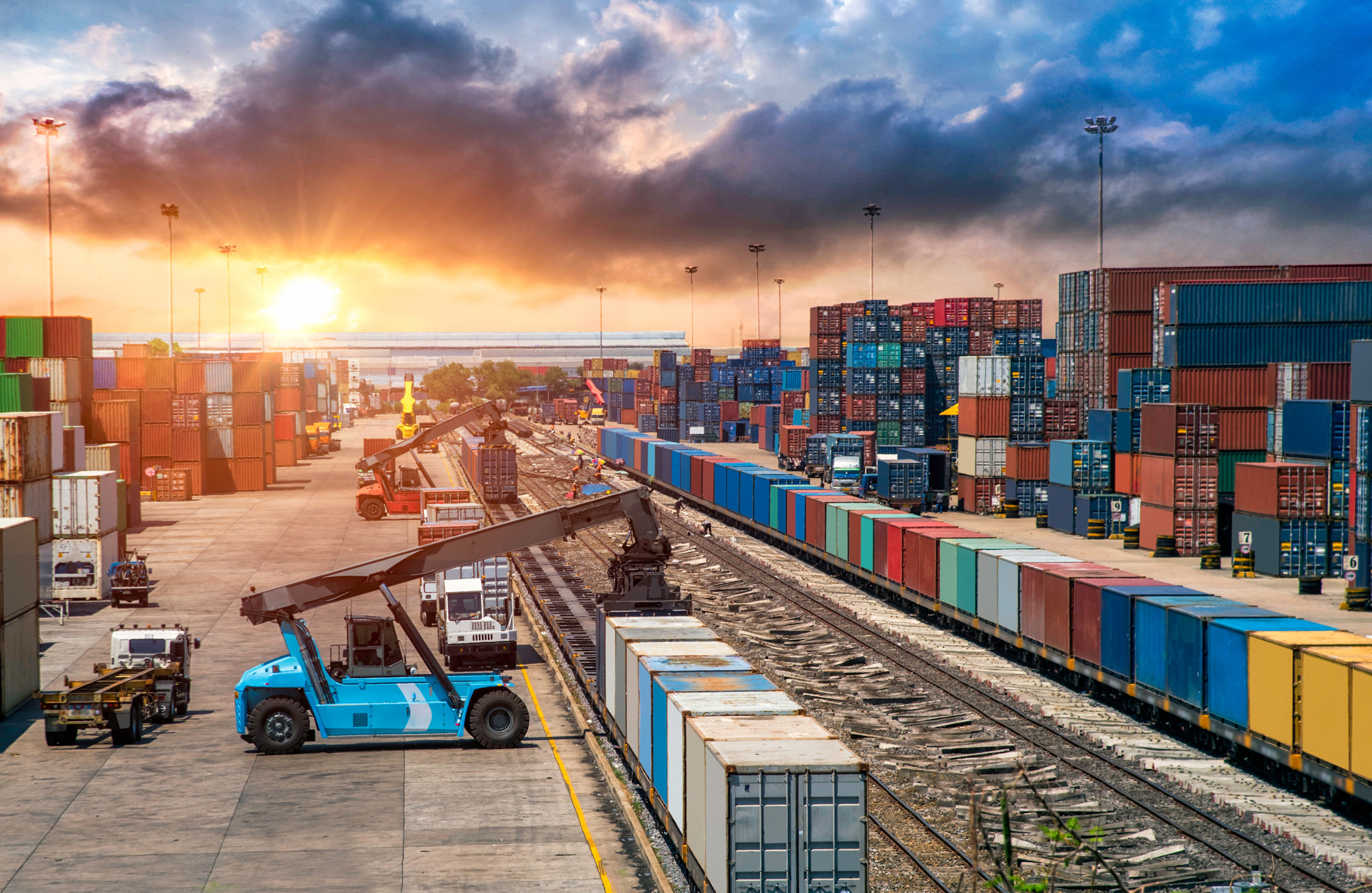
As a result of the contagious ocean carrier saga, recently the subject of a Presidential Executive Order dealing with anti-competitive developments in ocean shipping, the contagion has now fixated on rail ramps where intermodal deliveries of ocean freight moves has come to a virtual standstill. At least that is the case at Lot W.
A

The below e-mail recently received by the author paints the picture we are seeing a thousand fold in the current ocean shipping marketplace in the inbound/outbound Asia trade lanes which underscores the serious disconnect currently between ocean common carriers and shippers in these U.S trade lanes:
“Carlos:
We are seeing examples where there was

According to media reports, a massive 400-meter container ship operated by Evergreen Marine Corp. in Taiwan, the Ever Given, became stuck in the Suez Canal after apparently running aground due to high winds from a sandstorm. As a result, potentially hundreds of ships cannot pass on either side of the Suez Canal
The major thrust of this post is to underscore certain micro trends which have emerged in the ocean transport industry in the recent past, which are not expected to transcend into macro territory, but will be present for a good while, and need attention since they can result in substantial damages/losses to importers and exporters. Focusing on these can result in big dollar savings in the short and long run. These micro trends have surfaced as a result of a combination of events and developments such as unpredictable turns in the import trades from China/Asia to the United States; the export levels and trends of agricultural commodities from the U.S. to China; the prevalence of equipment unavailability to the shipping industry (both containers and chassis, and now, sometimes vessels).
 On April 28, 2020, the Federal Maritime Commission (“Commission “or “FMC”) released the long-awaited interpretive rules in Docket No. 19-05 relating to how ocean common carriers may lawfully apply demurrage and detention charges to exporters, importers, and ocean transportation intermediaries, including Customs brokers in certain circumstances and still be compliant with the “reasonableness” requirement of